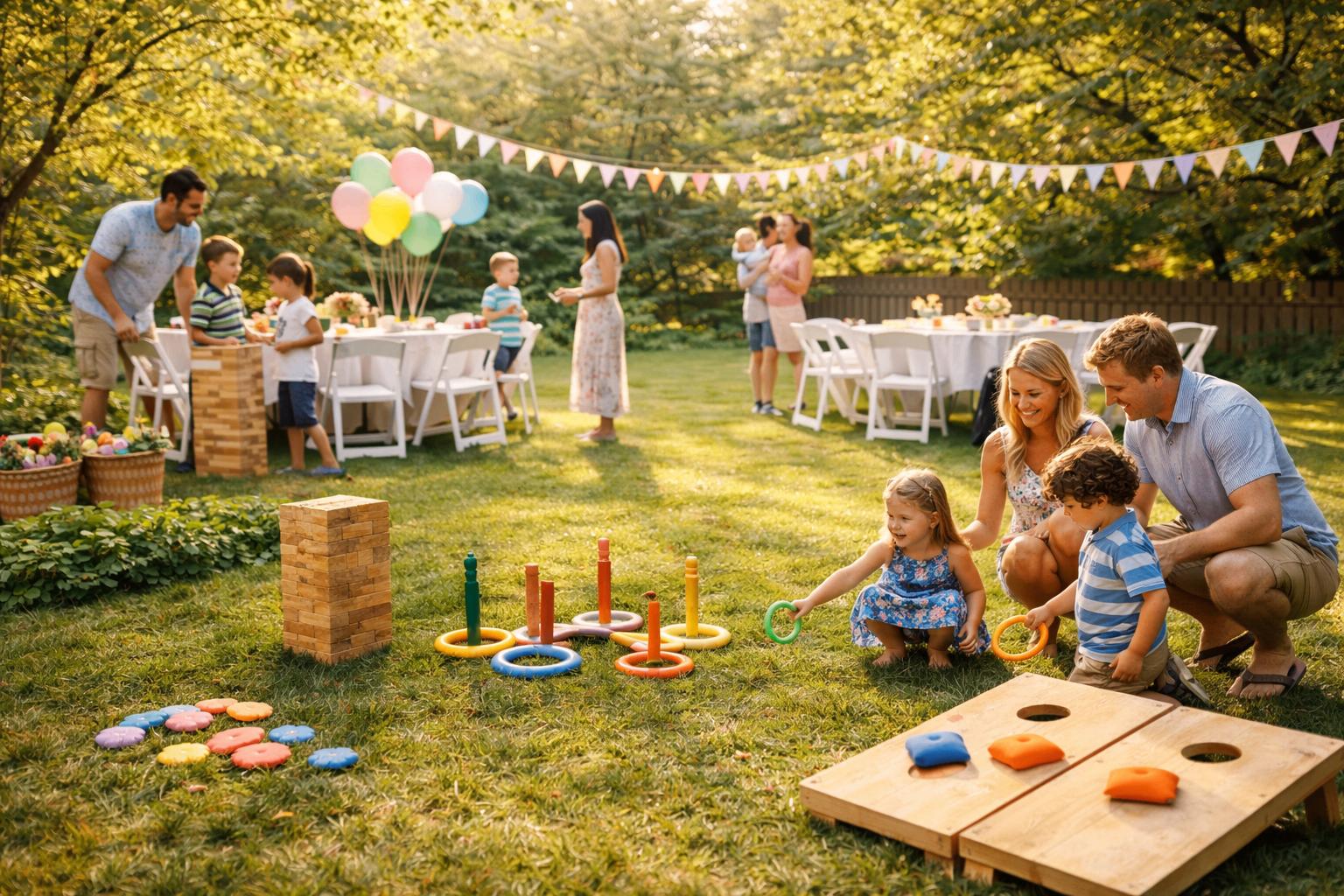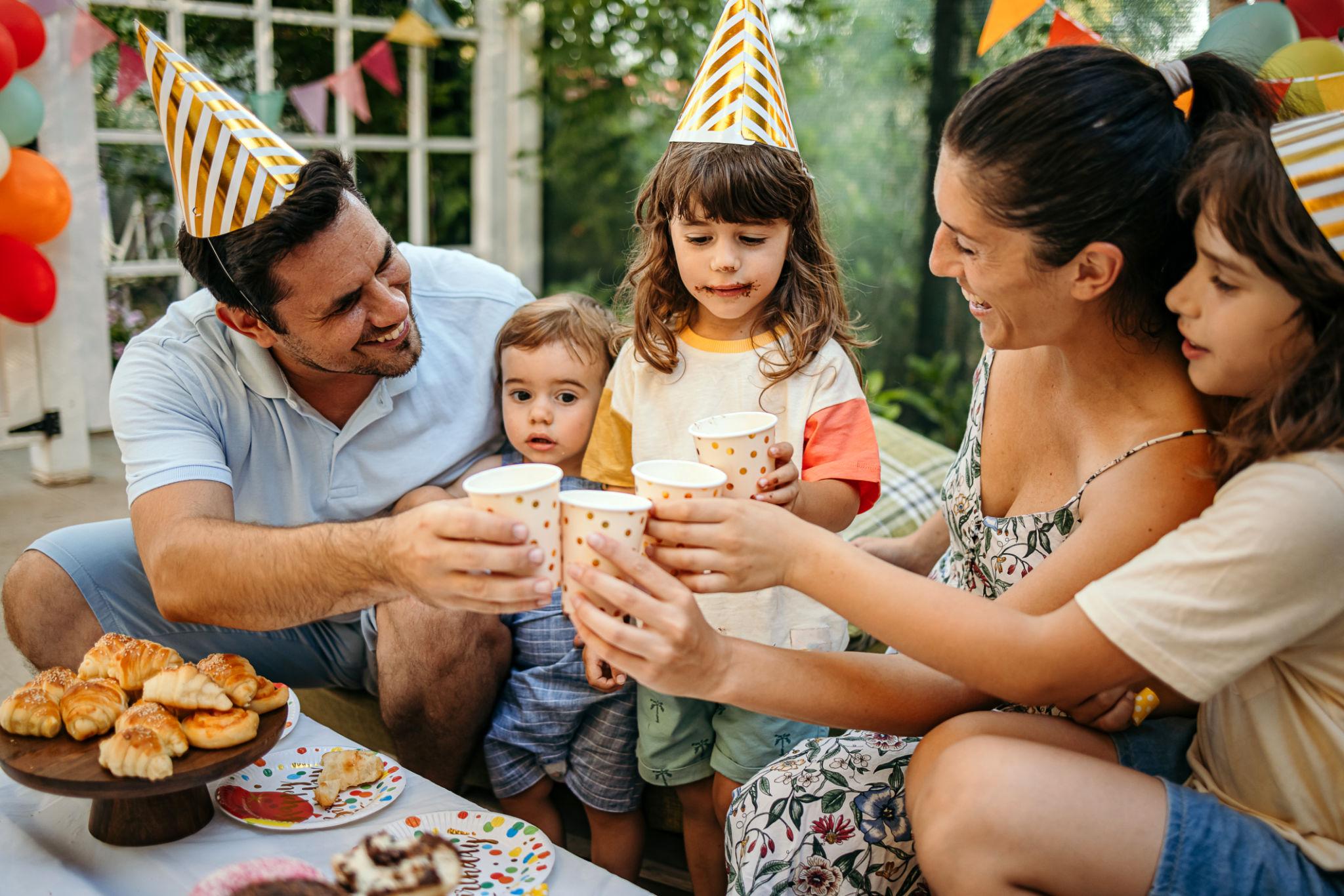


Last winter our weekends basically looked like this: kids parked in front of tablets, my husband “just answering one quick email” (it was never one quick email), and me scrolling Pinterest for ideas we’d never actually get around to. By Sunday night we’d technically spent two whole days together under the same roof, but it felt more like we’d all just been living in the same building, not really together.

That’s when it hit me. Being home at the same time isn’t the same thing as actually being together.
So we tried a little experiment. No big budget, no Pinterest-worthy setups, just a real attempt to reconnect on weekends without going anywhere. Some of it flopped, honestly. Some of it stuck so hard my kids now beg for it every single Saturday. Here’s what worked, what didn’t, and what I’d do differently if I were starting over.
Why Bonding at Home Actually Matters
You don’t need a vacation or a theme park trip to make memories that stick. Some of our best laughs have come from a burnt pancake or a board game that fell apart into total chaos.
A friend of mine who’s a psychologist once mentioned that kids remember connection way more than they remember stuff. That stuck with me. So instead of trying to plan something big every weekend, we started leaning into small, repeatable things instead.
How We Built a Routine That Actually Stuck
1. One Phone-Free Hour
Sounds easy. Was not easy, at least not for us adults.
We picked Saturday mornings right after breakfast. The first week was awkward, honestly, nobody really knew what to do with their hands without a screen in them. By week three it just became normal, and my younger kid started reminding us if we forgot.
Tip that actually helped: put the phones in a basket in another room. Out of sight works a lot better than just promising yourself you won’t check it.
2. Just One Activity, Not Five
We used to try cramming in three or four things per weekend. Everyone ended up exhausted and cranky. Now we pick one thing and that’s it.
A few that worked for us:
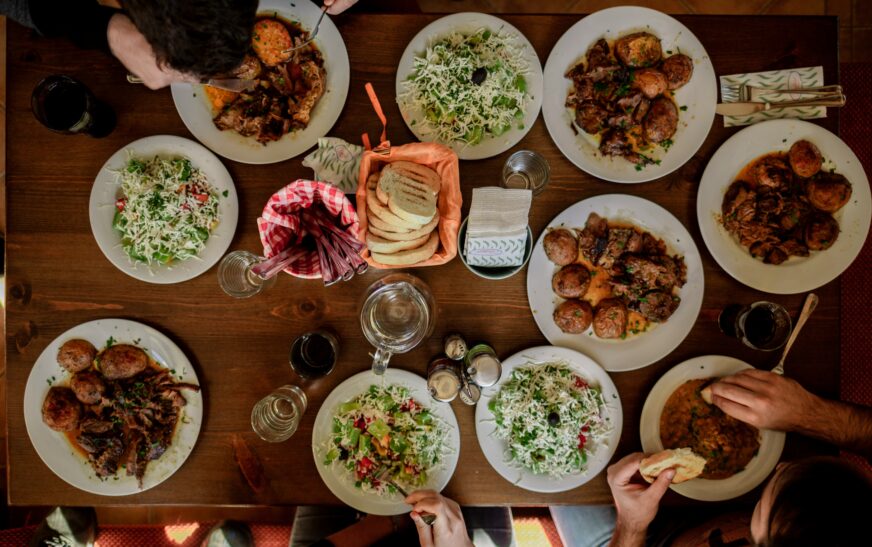
- Cooking day — everyone picks something to make, even if it’s just a sandwich for the five-year-old. Nothing fancy, just whatever’s already in the kitchen.
- Movie night, but make it fair — we use Letterboxd to pick something everyone can agree on instead of arguing for twenty minutes. Kids vote, parents get veto power if it’s truly terrible.
- Game night — Uno, Ludo, and a Jenga set that’s missing three pieces but somehow still works.
- Backyard camping — works even with a tiny backyard or just a balcony. Flashlight, snacks, and the worst ghost stories you can come up with.
3. A Whiteboard on the Fridge
We grabbed a cheap whiteboard from the stationery store and stuck it on the fridge. Every Friday the kids scribble down what they want to do that weekend. Takes five minutes, saves us a ton of last-minute arguing about what to do.
If you don’t want a physical board, a Google Sheet or even a sticky note works fine too. Doesn’t matter what you use. What matters is doing it every week.
4. Let the Kids Take Turns Leading
This one genuinely changed things for us. Instead of parents deciding everything, we now let the kids take turns being “in charge” of the day.
My eight-year-old once planned an entire indoor treasure hunt with clues written in crayon. Half of them made zero sense. We spent twenty minutes digging through the laundry basket for a clue that, it turned out, didn’t even exist. Still one of our best weekends, somehow.
Things That Actually Worked for Us
The pillow fort office On a rainy Saturday we built a blanket fort and called it our “secret office.” The kids brought their toys in as coworkers. Sounds ridiculous, but we sat in there for almost three hours just talking.
Cooking with no recipe We’d just grab random stuff from the fridge and try to make something out of it. Sometimes it was edible, sometimes not so much. My son still brings up the “weird pasta experiment” from a couple months back.
Freeze dance Spotify playlist, living room, no equipment needed. Just space to move and music that makes everyone laugh at how bad their own dancing is.
Mistakes We Made So You Don’t Have To
Overplanning the weekend. We once tried squeezing four activities into one Saturday. By the third one everybody was running on fumes. Less is genuinely more here.
Forcing kids to join in. My teenager just wanted to read sometimes, and we kept pushing him to join games anyway. That backfired pretty quickly. Now it’s optional, and weirdly enough, he joins in more often when there’s no pressure to.
Comparing ourselves to Pinterest. I used to think our activities didn’t count because they didn’t look like the elaborate setups online. Turns out kids don’t care about how it looks. They care that you showed up.
Forgetting that quiet counts too. Bonding doesn’t have to be loud. Some of our realest conversations happened while folding laundry or doing a puzzle in silence.
What We Actually Use
- A cheap whiteboard for planning
- Spotify or YouTube Music for playlists
- A box of board games (secondhand is fine)
- Letterboxd, or honestly just a notes app, for movie picks
- A regular kitchen timer for screen-free challenges
None of it costs much. Most homes already have half this stuff lying around somewhere.
Making It a Habit, Not a One-Off
The real shift happened once we stopped treating this like a special occasion and just made it part of the routine. Kids like knowing what’s coming. Phone-free Saturday mornings, movie picks on Sunday nights, that kind of predictability gives them something to look forward to.
It took pressure off us too. We’re not trying to make it look good for anyone. We’re just trying to show up, even if that means a burnt cake or a treasure hunt that makes no sense.
Some weekends still don’t go the way we plan. My daughter once cried because a board game piece snapped in half, and we ended up comforting her instead of finishing the game. That’s fine too. This isn’t about getting it right every time. It’s about being there, messy parts included.
If you’re thinking about trying this with your own family, don’t aim for perfect. Aim for consistent. Pick one small thing this weekend, maybe just an hour without phones, or one meal together with no screens, and build from there. The rest tends to figure itself out.
Top Cultural Festivals Around the World You Must Experience Once
A few years ago I was sitting in a hostel common room in Chiang Mai, completely soaked, holding a water gun that had cost me about a dollar from a street vendor, watching a grandmother casually drench a tourist twice her size. That was my first Songkran. I’d shown up not really knowing what to expect, thinking it was just “a water festival,” and walked away realizing it was one of the most genuinely joyful things I’d ever stumbled into.
That trip kind of ruined regular vacations for me, if I’m honest. Once you’ve experienced a festival that locals actually live for, lying on a beach somewhere just doesn’t hit the same.
So I started chasing a few more. Not all of them went smoothly. I missed an entire main event once because I didn’t book early enough, and learned a few lessons the hard way about timing, money, and what to actually pack. Here’s what I’ve picked up.
Why Festival Travel Hits Different
Regular sightseeing is great, but there’s something about being dropped into a celebration that a whole culture has been building for generations. You’re not just looking at something. You’re part of it, even as an outsider.
The energy is different too. Crowds at festivals aren’t the same as crowds at, say, a famous landmark. People are there because they want to be, not because a guidebook told them to check it off a list.
A Few Festivals Worth Building a Trip Around
Songkran, Thailand
This is Thailand’s New Year celebration, and it happens every April, usually around the 13th to the 15th, though in places like Chiang Mai and Pattaya the festivities stretch on for closer to a week.
What surprised me most was that it’s not just chaos with water guns. There’s a real spiritual side to it. Locals visit temples in the morning, pour scented water over Buddha statues, and pay respect to elders before the streets turn into one giant water fight by afternoon.
Practical tip: get a waterproof phone pouch before you go, not after. I learned this the hard way when my phone died mid-festival in Bangkok’s Khao San Road. Also, areas like Chiang Mai’s old city moat tend to feel a bit more community-driven than the bigger party zones, if you want something less club-like.
Holi, India
Holi usually lands in early March, tied to the full moon in the Hindu month of Phalguna, so the exact date shifts slightly every year. In 2026 it falls on March 3rd and 4th.
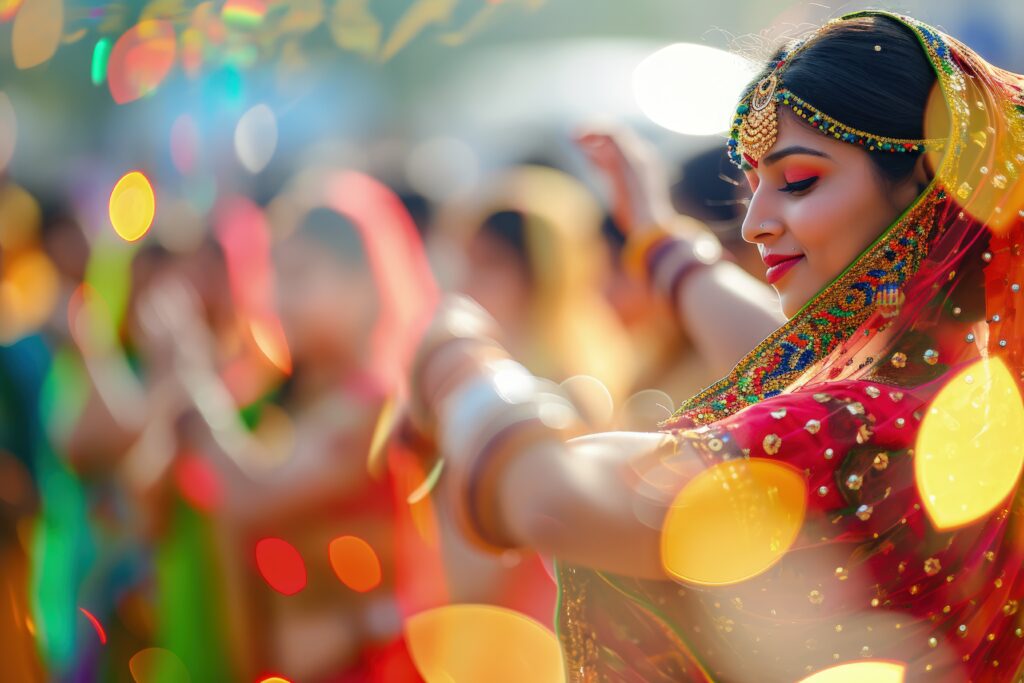
The night before the main event, there’s a bonfire ritual called Holika Dahan, which symbolizes good winning over evil. Then the next morning, the actual “festival of colors” part happens, where people throw bright powder at each other in the streets.
I went to Vrindavan, partly because a friend told me it’s considered one of the spiritual centers of the celebration. Honestly, wear clothes you’re fully willing to throw away afterward. I didn’t, and a favorite t-shirt of mine never recovered.
Día de los Muertos, Mexico
This one caught me off guard emotionally in a way I wasn’t expecting. It’s held around November 1st and 2nd, and it’s not a sad event at all, even though it’s centered on remembering people who’ve passed away.
Families build altars called ofrendas, covered in marigolds, photos, candles, and the favorite foods of the person they’re honoring. Streets fill with face paint, parades, and music. Oaxaca and parts of Mexico City are especially known for elaborate public celebrations.
If you go, skip the generic souvenir face paint kits and look for a local artist doing calavera designs instead. I paid a woman in a small Oaxaca market about five dollars to paint my face properly, and it ended up being one of my favorite parts of the whole trip.
Rio Carnival, Brazil
Carnival happens right before Lent, so the timing moves around with the Christian calendar, usually landing in February or early March. The samba parades at the Sambadrome are the headline event, but honestly some of the best moments happen in the street parties, called “blocos,” that pop up all over the city beforehand.
I made the mistake of only planning for the big parade and missing most of the blocos because I didn’t realize they started days in advance. Next time, I’m building my whole schedule around those instead.
How to Actually Plan Around One of These
Step 1: Pick the festival before you pick the destination. It sounds backwards, but festival dates often don’t align neatly with when flights are cheapest or when weather is ideal. Build the trip around the event first.
Step 2: Book accommodation way earlier than you think you need to. For Songkran and Holi especially, decent places fill up two to three months out. I use a mix of Booking.com and local Facebook travel groups to compare prices once I know the dates.
Step 3: Check if there’s a “local” version versus a “tourist” version. Big cities often have a polished, ticketed festival experience right alongside the free, local one happening a few streets over. Both have their place, but they’re very different vibes. I usually try to catch at least one of each.
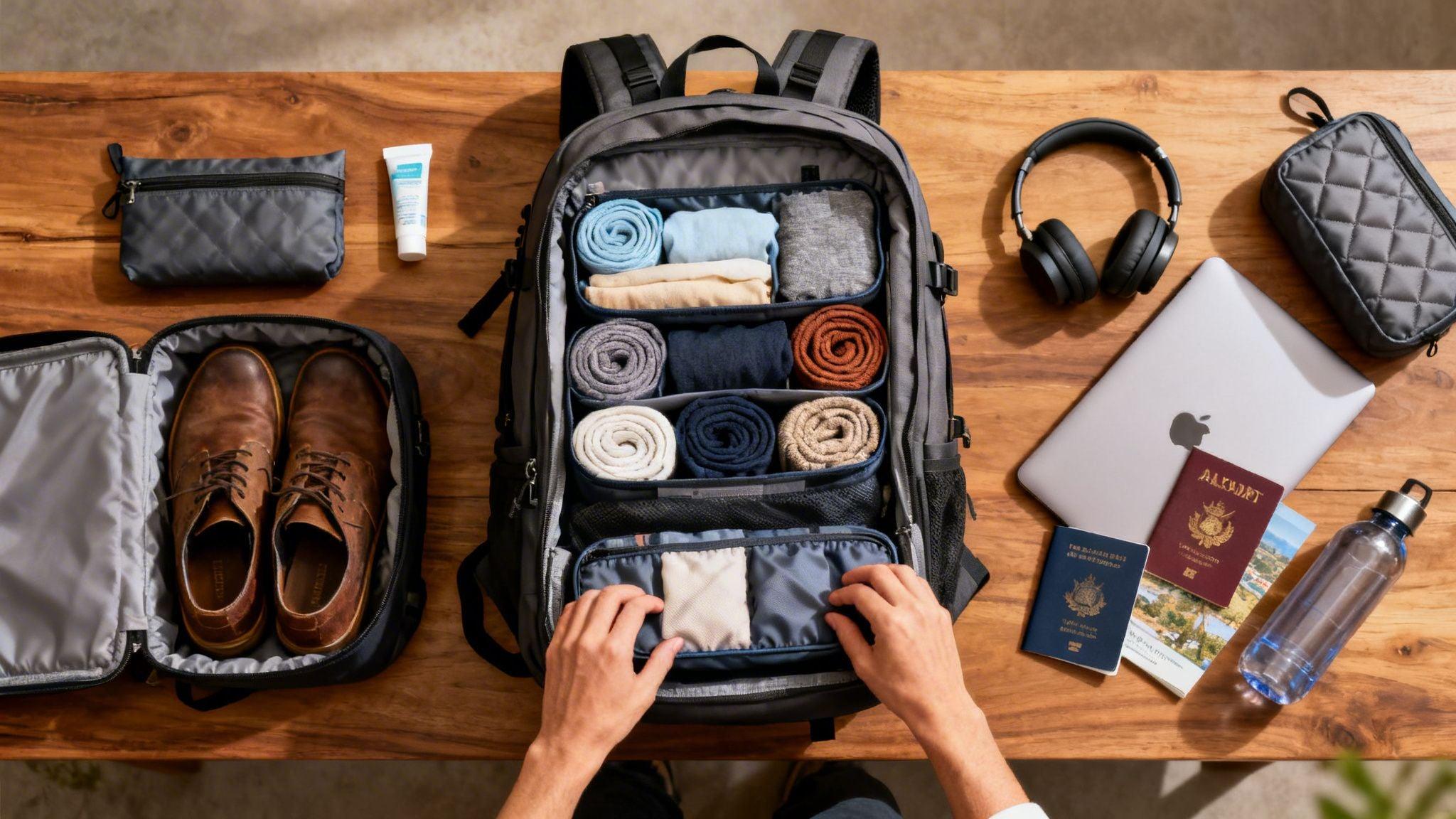
Step 4: Pack like the festival is going to ruin your stuff, because it might. Waterproof bags for Songkran. Clothes you don’t love for Holi. Comfortable shoes for basically everything, since you’ll be standing or walking for hours.
Step 5: Learn a few customs ahead of time. A quick search the week before usually tells you what’s respectful and what’s not. For Holi, for example, it’s common courtesy to ask before throwing color at someone, especially elders or people clearly not participating.
Mistakes I’ve Made So You Don’t Have To
Showing up without a plan for cash. A lot of street vendors and small local events at these festivals don’t take cards. I got stuck without enough cash during Songkran and missed buying food from a vendor I’d been eyeing all day.
Underestimating crowds. I once stood at the back of a Carnival bloco and could barely see anything. Arriving early, even an hour before things start, makes a massive difference.
Assuming every festival is photographable the same way. During Día de los Muertos, I learned that some altars and ceremonies are deeply personal, and not everything is meant for a tourist’s camera. Always ask first.
Not budgeting extra time to recover. These festivals are exhausting in the best way. I used to book a flight out the next morning and regretted it every time. Now I build in at least one slow day after.
Final Thoughts
None of these festivals need to be a once-in-a-lifetime bucket list item you check off and forget. The ones that stuck with me are the ones I went back to, or at least think about going back to, because one visit barely scratches the surface.
If you’re picking just one to start with, go with whichever one feels most unfamiliar to you. That’s usually where the real learning happens, soaked t-shirt, ruined clothes, and all.