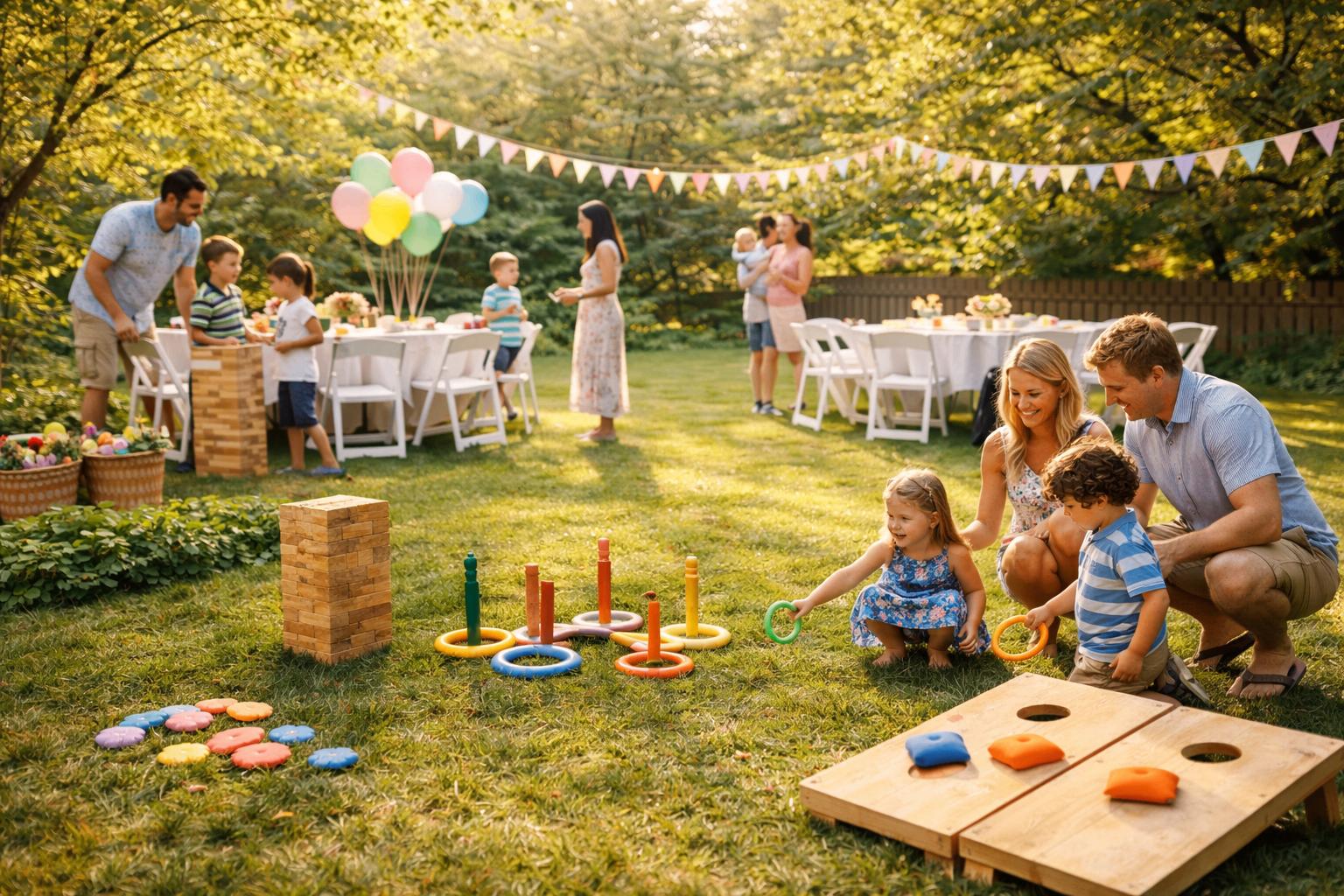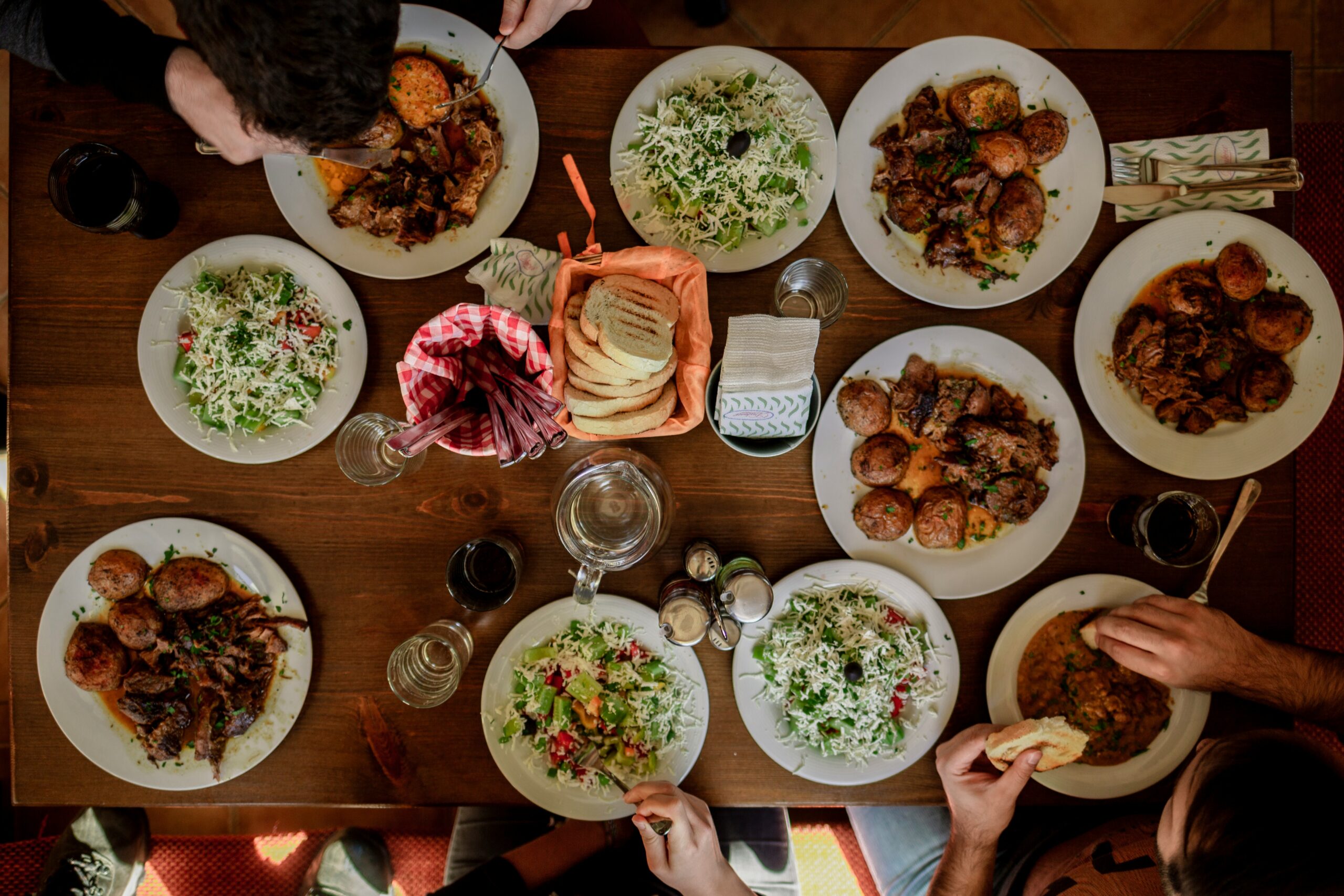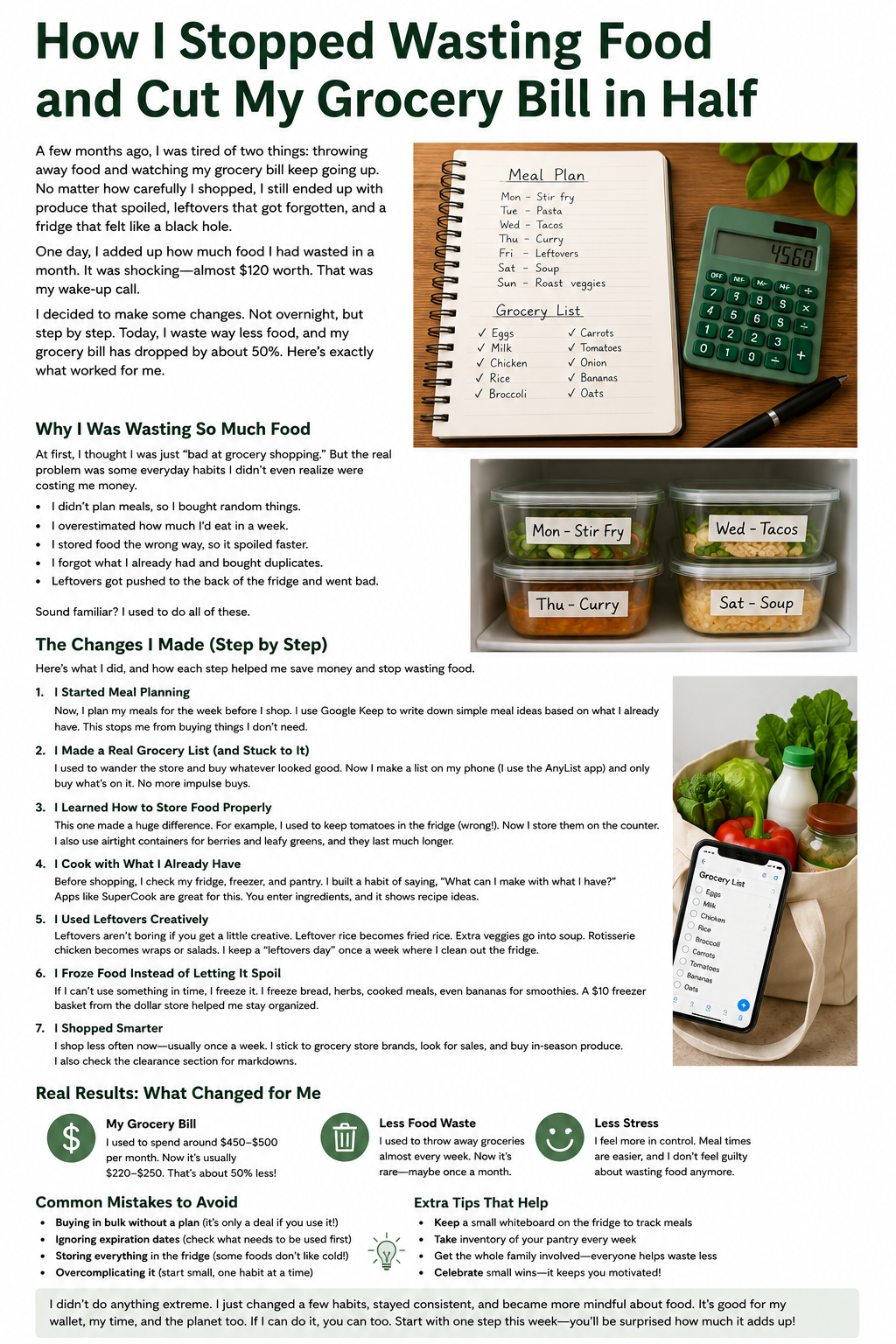


A few months ago we hit a weekend where the car needed an unexpected repair and the grocery budget was already stretched thin. My kids asked what we were doing for fun that Saturday, and I almost said “nothing” before catching myself. We ended up biking to a park we’d never tried, packing sandwiches instead of buying lunch out, and skipping rocks at a pond until it got dark. My youngest still brings up that day as one of her favorites, and it cost us less than five dollars in snacks.
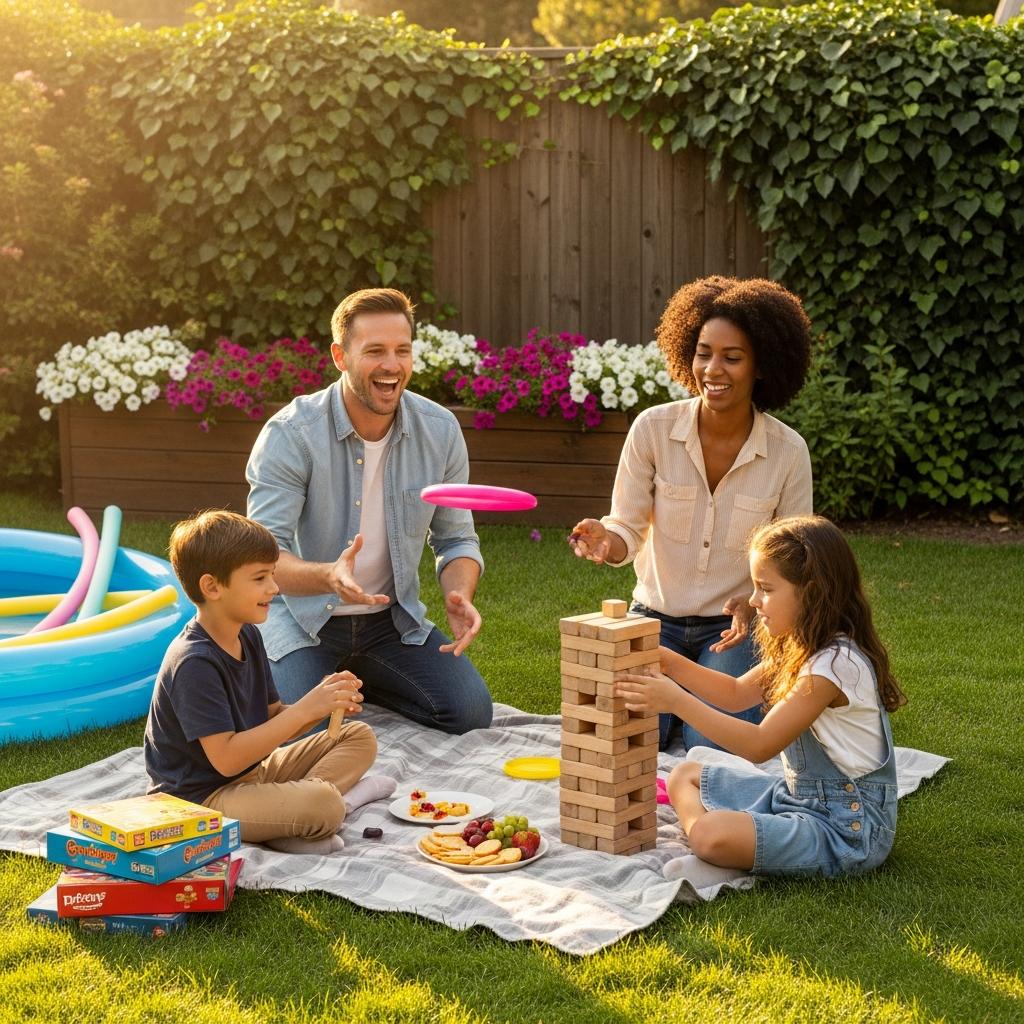
That weekend kind of broke something open for me. I’d been assuming for years that a “good” weekend meant an outing with an entry fee, a meal out, maybe a movie. Once money was tight enough that those weren’t options, I realized how much of what actually made that day memorable had nothing to do with spending anything at all.
Since then we’ve built a rotation of free weekend activities that the kids genuinely ask for, not as a consolation prize, but as the actual plan. Here’s what’s worked, what flopped, and how I’d suggest building your own version of this.
Why Free Activities Sometimes Land Better Than Paid Ones
This surprised me at first. I figured the kids would always prefer the trampoline park or the arcade over a free hike, and sometimes they do. But the paid outings often came with a built-in countdown, a time limit, a sense of “we paid for two hours, let’s maximize it,” that made the day feel a little rushed even when we were having fun.
Free activities don’t have that pressure. If we’re at the park and everyone’s having a great time, we just stay longer. If a free museum day isn’t landing, we leave without feeling like we wasted money. That flexibility ended up mattering more than I expected.
Step One: Map Out What’s Actually Free Near You
The first mistake I made was assuming I already knew what free stuff existed nearby. Turns out I was wrong, there was a community center fifteen minutes away running free Saturday morning kids’ programs I’d never heard of.
Here’s how I’d actually go about finding this stuff now. Check your local library’s event calendar, most libraries run free story times, craft sessions, and even seasonal events like outdoor movie nights, and a lot of people never check past the building itself. Search your city’s parks and recreation website specifically, not just a general Google search, since cities often list free programs there that don’t show up well in search results. Look up “free museum days” plus your city name, a surprising number of museums and zoos offer free or pay-what-you-can days at least once a month. And check community Facebook groups or apps like Nextdoor, local parents often post about free pop-up events, farmers markets with kids’ activities, or seasonal festivals that aren’t widely advertised.
I spent one Sunday afternoon doing this research and ended up with a list of around fifteen free activities within a twenty-minute drive. That list has lasted us well over a year.
Step Two: Build a Rotation, Not a One-Time List
The list alone wasn’t enough. The first few weekends after making it, I’d forget it existed and default back to old habits. What actually worked was turning it into a simple rotation.
I made a basic list in the Notes app on my phone, nothing fancy, organized by type: outdoor, indoor, rainy day backup, seasonal. When Friday rolls around, instead of trying to think of something from scratch, I just glance at the list and pick whatever fits the weather and everyone’s energy level.
This sounds like a small shift, but it removed the mental load of “what are we doing this weekend” that used to eat up actual time we could’ve spent doing something.
Real Examples That Worked for Us
A scavenger hunt in our own neighborhood. I wrote a list of ten things to find, a red door, a dog wearing a sweater, a mailbox shaped like something weird, and the kids ran ahead checking things off while we walked. Cost nothing, took an hour, and led to way more conversation than I expected from a simple walk.
A “picnic anywhere” day. We packed sandwiches and fruit we already had at home and ate at three different spots, a bench downtown, a spot by the river, the backyard, just to make an ordinary lunch feel like an event. The food cost the same as it would’ve at home, but eating somewhere different made it feel special.
Library scavenger hunts. Most librarians are happy to point you toward a themed reading challenge or seasonal event happening that week, and a lot of branches run free craft tables on weekends that aren’t well advertised outside the building itself.
A backyard camp-out. We didn’t even leave the yard. Tent up, flashlights, s’mores made over our regular grill instead of a campfire. My kids talk about this one as much as any actual camping trip we’ve taken.
Common Mistakes I’d Avoid Next Time
Overplanning the free day until it feels like work. The first few times, I tried to pack too much into one outing, three different free spots in one afternoon, and everyone ended up cranky and tired instead of having fun. One solid activity beats three rushed ones.
Forgetting snacks and water. This sounds obvious, but more than once we left for a free park day without packing anything, and ended up spending money on overpriced snacks anyway, completely defeating the point. Now I keep a small bag with snacks and water bottles ready to grab on the way out.
Assuming free means boring to kids. I worried my kids would feel like we were settling for less. In practice, they don’t draw that comparison the way adults do. A scavenger hunt at the park has been just as exciting to them as a paid activity, sometimes more, because there’s less pressure and more room for them to just play.
Not checking hours or days in advance. A few “free museum days” we tried to show up for turned out to be the following week, not that one. A quick check of the actual date before loading everyone in the car saves a disappointing drive.
A Few Smaller Ideas Worth Trying
A family bike ride to somewhere you’ve never been in your own town, even just a different park a bit farther than usual.
A “no destination” walk, where you let the kids pick which direction to turn at every intersection. It turns a regular walk into something that feels more like an adventure, with zero planning required.
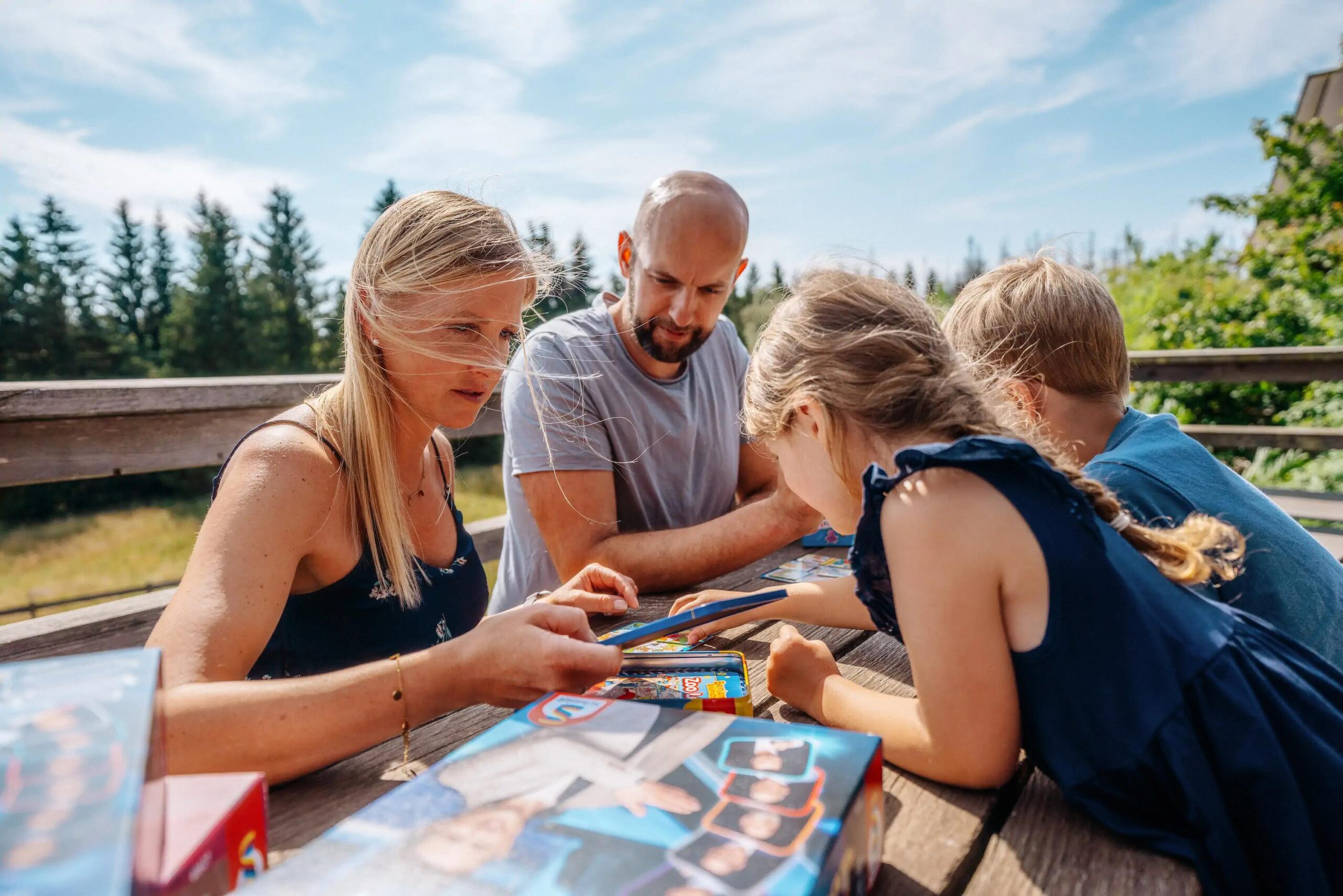
Board game or card game tournaments at home, with a homemade trophy or just bragging rights as the prize. Costs nothing if you already own a few games, and it tends to get surprisingly competitive in a fun way.
Stargazing with a free app like Star Walk or SkyView, which uses your phone’s camera to identify constellations and planets in real time. We did this from our own backyard and it turned into a forty-five minute activity none of us expected to enjoy that much.
What I’d Actually Tell a Friend
If a friend told me their weekends felt expensive and exhausting to plan, I wouldn’t tell them to just “get creative.” I’d tell them to spend one afternoon mapping out what’s actually free nearby, write it down somewhere they’ll actually check, and stop assuming free automatically means less fun for the kids. That car repair weekend taught me something I didn’t expect, the memory that stuck wasn’t the one we spent money on. It was the one where we just showed up somewhere with sandwiches and let the day be whatever it turned into. Most weekends don’t need a budget. They need a little bit of planning and the willingness to let an ordinary afternoon turn into something worth remembering.
Meal Prep Sunday: How I Feed My Family for a Week in 2 Hours
I used to stand in front of the fridge at 5:30 p.m. with two hungry kids circling me, no plan, and a stretch of freezer-burned chicken I’d forgotten existed. Dinner was either a stressed-out scramble or a drive-thru run, four or five nights a week. That was just normal life for a while, and I genuinely thought meal prep was something only people with way more free time than me could pull off.
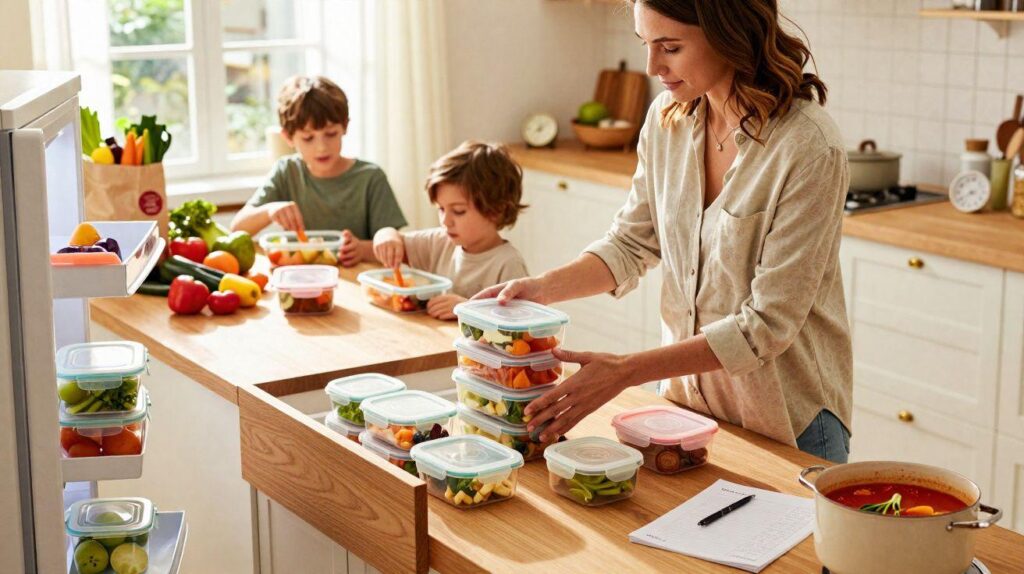
What actually changed things was a Sunday where I had a head cold, no energy to think creatively, and a sink full of vegetables that needed using before they went bad. I just started chopping everything, cooked a couple proteins, and portioned it all out without any real plan. That accidental two-hour session got us through the entire next week without a single panicked dinner. I’ve been doing some version of that every Sunday since, and it consistently takes under two hours now that I’ve got a system.
This isn’t a fancy bento-box, color-coded-container kind of meal prep. It’s the version that actually works for a tired parent with limited patience, and I’ll walk through exactly how I do it.
Why Most Meal Prep Advice Doesn’t Actually Work for Families
A lot of meal prep content online is built around one person eating the same identical lunch five days in a row. That’s just not realistic with kids, picky eaters, different schedules, and the fact that nobody in my house wants to eat the exact same chicken and rice bowl on day four.
What actually works is prepping components, not finished meals. Cooked proteins, chopped vegetables, cooked grains, ready to be combined differently each night. That one shift made the biggest difference in whether this habit actually stuck or fizzled out after two weeks, which is what happened the first few times I tried the identical-meal approach.
The Actual Two-Hour Breakdown
Here’s roughly how my two hours actually goes, start to finish, based on what I do most Sundays.
The first twenty minutes are entirely prep work before anything touches heat. I wash and chop all the vegetables I’ll need for the week in one go, bell peppers, onions, carrots, whatever’s in season or on sale. Having a sharp chef’s knife matters more than people think here, a dull knife turns twenty minutes into forty.
Next forty-five minutes is when everything cooks at the same time. I’ll have a sheet pan of roasted vegetables and chicken thighs in the oven, a pot of rice or quinoa going on the stove, and ground turkey or beef browning in a skillet, all running simultaneously instead of one after another. This is the part that actually saves the most time, cooking three things at once instead of three separate sessions throughout the week.
The last thirty to forty-five minutes is portioning and storage. Everything gets divided into containers or bags based on what we’ll actually use it for, not necessarily into identical daily meals.
Step-by-Step: How I’d Tell a Friend to Start
If you’re starting from zero, here’s the order I’d actually suggest, since trying to do everything at once the first time is how most people burn out and quit.
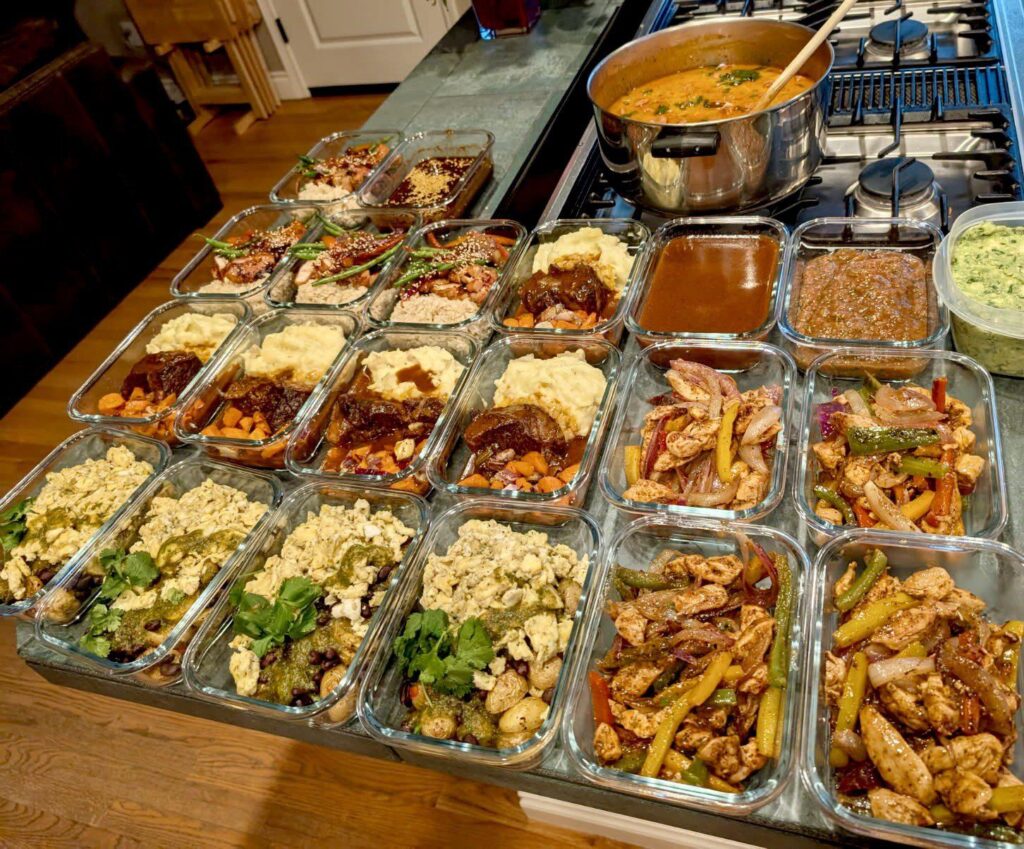
Start with just proteins for the first week or two. Cook two proteins in bulk, something like grilled chicken breast and ground turkey, and portion them into containers. Don’t worry about sides yet, just get used to having protein ready to go.
Add one cooked grain once proteins feel manageable. A big pot of rice or a tray of roasted potatoes takes maybe fifteen extra minutes and instantly makes assembling dinner faster.
Add chopped raw vegetables once you’ve got proteins and grains down. These don’t need to be cooked ahead, just washed and cut, which is honestly the most annoying part of cooking on a weeknight anyway.
Only after those three feel automatic, add sauces or seasoning blends. I keep a few jars of pre-made sauce, a basic teriyaki, a simple vinaigrette, so the same chicken and rice doesn’t taste identical every night.
The Tools That Actually Make a Difference
I tried a lot of gadgets before figuring out what’s actually worth using. A handful of things earned a permanent spot in my kitchen. Glass meal prep containers with dividers, I use a set from Pyrex, made grabbing a balanced portion faster than digging through random containers trying to remember what’s in each one. A rimmed sheet pan, or honestly two of them, lets you roast vegetables and a protein at the same time without overcrowding either one. An Instant Pot or any basic pressure cooker handles grains and beans in a fraction of the stovetop time, and I genuinely use mine just for rice now since it’s hands-off. And a simple meal planning app, I use Mealime, which generates a shopping list based on meals you pick, cut my grocery store wandering time down significantly.
What I Got Wrong When I Started
I way overcomplicated the first few attempts, trying to make five completely different elaborate recipes in one session, which turned a two-hour Sunday into a four-hour ordeal that left me resenting the whole idea by week three.
I also under-seasoned everything out of fear it wouldn’t reheat well, which meant by Wednesday the food tasted bland and nobody wanted to eat it. Turns out most proteins and vegetables reheat just fine with bold seasoning, the blandness wasn’t a storage problem, it was a seasoning problem from the start.
And I didn’t label anything for the first month, which sounds minor until you’re staring at three identical containers in the freezer with zero idea which one is chicken and which one is the turkey from two weeks ago. A roll of painter’s tape and a sharpie fixed that completely, and it takes thirty seconds.
A Real Week, Start to Finish
Here’s what an actual week looks like using one Sunday prep session. Sunday, two hours, roasted chicken thighs, a sheet pan of broccoli and carrots, a pot of rice, and a batch of taco-seasoned ground turkey. Monday, chicken and rice bowls with a quick drizzle of the vinaigrette I keep on hand. Tuesday, turkey tacos using the pre-cooked meat, just warm it up and add fresh toppings. Wednesday, a stir-fry using the roasted vegetables and leftover chicken with a splash of soy sauce. Thursday, turkey and rice stuffed peppers, using up the last of both. Friday is usually our “whatever’s left” night, odds and ends combined into whatever makes sense, or just pizza if the week ran long. That’s five nights covered from one two-hour session, with built-in variety so nobody’s eating the same exact plate twice.
Common Mistakes to Avoid
Prepping meals nobody actually wants to eat just because they’re “healthy” or trendy. I made a beautiful quinoa salad once that sat in the fridge untouched all week while we ordered pizza twice. Prep food your family will genuinely eat, not what you think you should be eating.
Skipping the grocery list and shopping on memory. I’ve forgotten a key ingredient more times than I’d like to admit, which means an extra store trip mid-week that defeats the whole point of prepping in advance.
Not accounting for how long things actually last. Cooked rice and most proteins are good for about four days in the fridge, not seven. I learned this the hard way with some sad, off-smelling chicken on a Saturday. Now I freeze half of what I make on Sunday and pull it out midweek instead of trying to stretch one batch the whole seven days.
Trying to prep every single meal including breakfast and snacks right out of the gate. Start with dinners, since that’s usually the most stressful meal to figure out on the fly. Add other meals once dinner prep feels easy.
What I’d Actually Tell a Friend
If a friend told me they wanted to start meal prepping but felt overwhelmed by it, I wouldn’t point them to a complicated recipe plan. I’d tell them to cook two proteins this Sunday, nothing fancy, and see how much calmer the week feels just from having that one thing ready to go. That two-hour session isn’t about being a perfectly organized parent with color-coded containers and a meal plan taped to the fridge. It’s about not standing in front of an open refrigerator at 5:30 on a Tuesday with no plan and two hungry kids staring at you. Once you’ve felt the difference that makes, it’s hard to go back to winging it every single night.