
Last spring I spent four hundred dollars on a hotel room for one night just to feel relaxed for a few hours. A nice room, soft robe, that quiet hum of an air conditioner, candles by the tub. I remember lying there thinking, this isn’t anything special, it’s just clean, calm, and uncluttered. I could have this at home for basically nothing.
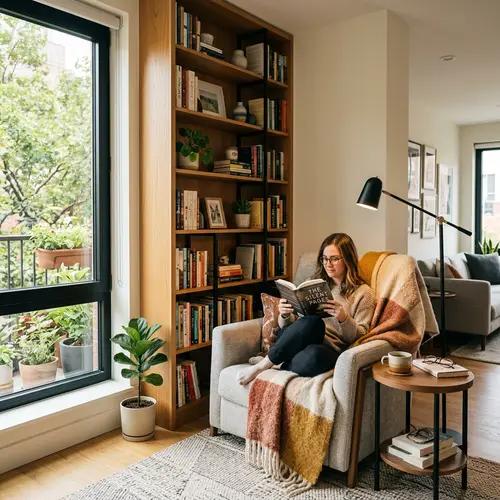
That thought bothered me for weeks. Why was I paying hundreds of dollars to feel something my own living room should’ve been giving me for free? So I started paying attention to what actually made that hotel room feel different from my apartment, and it wasn’t the thread count or the artwork on the wall. It was smaller stuff. Lighting. Smell. The absence of clutter. The fact that nothing was reminding me of unfinished chores.
Over the next few months I rebuilt parts of my apartment around that idea, spending maybe sixty dollars total, and it changed how my home actually feels to come back to. None of this is about redecorating or buying furniture. It’s about a handful of small, deliberate changes that add up.
Why Most Homes Don’t Feel Relaxing, Even When They’re Nice
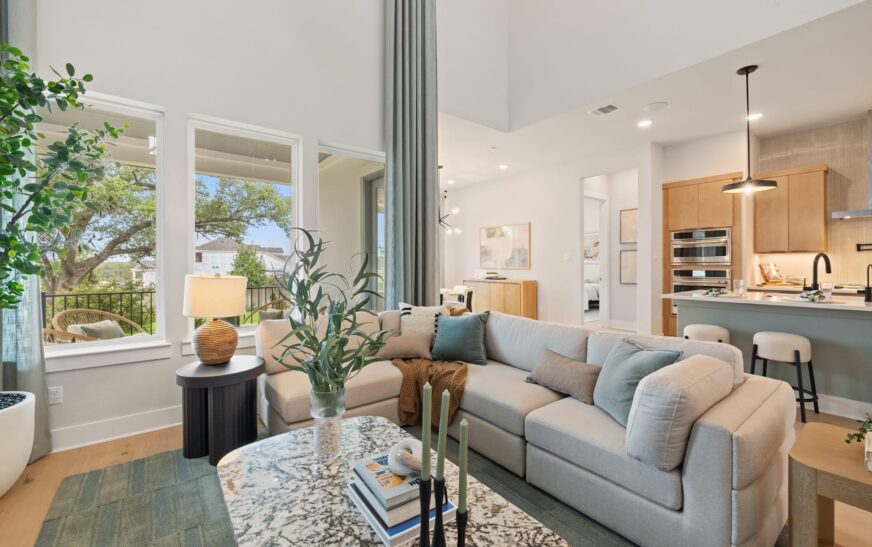
I used to think the problem was that my apartment wasn’t big enough or didn’t have the right furniture. Turns out that wasn’t it at all. I’ve been in tiny studio apartments that felt completely calm, and I’ve been in huge, beautifully furnished houses that felt stressful just to sit in. The difference usually comes down to three things: clutter, lighting, and what your home smells and sounds like. Hotels nail all three on purpose. Most homes accidentally fail all three because life just happens and nobody’s curating the experience.
Once I understood that, the fix stopped feeling expensive. You’re not buying a new home. You’re adjusting three or four things that quietly affect how a space feels.
Start With Decluttering One Surface, Not the Whole House
The first time I tried to declutter my whole apartment in a weekend, I burned out by Saturday afternoon and ended up with five garbage bags in the hallway for two weeks because I didn’t actually finish dealing with any of it. What worked better the second time was picking one surface, just my kitchen counter, and committing to keeping that single spot completely clear. No mail pile, no random charger cables, nothing “just for now.”
It sounds small, but a clear counter changes how a kitchen feels every single time you walk into it. Once that habit stuck, I moved to the coffee table, then my nightstand. By the end of a month, without ever doing a big dramatic decluttering weekend, the whole apartment felt different.
If you want to try this, here’s the order I’d actually suggest. Start with whatever surface you see first when you walk in the door, since that’s the one setting the tone for the whole space. Then move to wherever you sit most often, a couch side table or a desk. Save bedrooms and closets for last, since those take more emotional energy to sort through and you’ll have more momentum by the time you get there.
Lighting Matters More Than Almost Anything Else
This is the one that genuinely surprised me. I replaced exactly one lamp, a $22 warm-toned floor lamp from Target, and swapped my old overhead light for one of those smart bulbs you can dim from your phone, a basic Wyze or Govee bulb runs about ten to fifteen dollars. That alone did more for how my living room felt than anything else I tried. Harsh white overhead lighting makes a space feel like an office. Warm, dim, layered lighting makes the exact same space feel like somewhere you’d want to slow down in.
A few cheap changes that made a real difference: switching any bright white bulbs to warm white (look for “2700K” on the packaging, that’s the soft, cozy tone hotels use). Adding at least one lamp at sitting height instead of relying only on overhead light. Using a smart plug, the kind that costs around eight dollars, on one lamp so you can turn it on with your phone or a voice assistant instead of getting up.
None of this required an electrician or rewiring anything. It was swapping bulbs and adding one secondhand lamp I found for six dollars at a thrift store.
Smell Is the Cheapest Trick in This Whole List
I didn’t expect this one to matter as much as it did. Hotels have a signature scent for a reason, it’s one of the fastest ways your brain registers “this place is different from normal.”

I started keeping a $9 bottle of reed diffuser oil on my entryway table, the kind you can find at any home goods store, and lighting a candle when I get home from work instead of turning on the TV first thing. That tiny ritual, candle on, shoes off, became a signal to my own brain that the day was actually done.
You don’t need expensive candles for this. A basic unscented soy candle from a grocery store works just as well as something from a fancy boutique. What matters is consistency, using the same scent regularly so your brain starts associating it with relaxing, not which specific candle you buy.
Step-by-Step: A Weekend Reset That Actually Costs Under $50
If you want to try this all at once instead of spreading it out like I did, here’s roughly how I’d approach a single weekend.
Friday evening, spend twenty minutes clearing just your main living space surfaces, coffee table, counters, anything you see first when you walk in. Don’t organize closets yet, just clear flat surfaces.
Saturday morning, swap one or two bulbs to warm white in whatever room you spend the most time in. Add one lamp if you don’t already have a soft light source at sitting height.
Saturday afternoon, pick up a candle or reed diffuser and a couple of plants if your budget allows, a $4 pothos from a hardware store is nearly impossible to kill and adds a surprising amount of life to a room.
Sunday, do a load of laundry specifically for your bedding. Fresh sheets sound like a small thing, but it’s one of the most noticeable “hotel” feelings you can recreate at home, and it costs nothing beyond detergent you already own.
Sunday evening, test it. Sit in the space with your phone away for twenty minutes and notice what it actually feels like, not what you think it should feel like.
A Real Example: My Friend’s Tiny Bathroom Fix
A friend of mine lives in a rental with a genuinely ugly bathroom, dated tile, builder-grade fixtures, nothing she’s allowed to change permanently. She felt like there was nothing she could do about it. What she ended up doing cost her about thirty-five dollars total. A bamboo bath mat to replace the flat dollar-store one that came with the place. A small tension rod shower caddy so bottles weren’t lined up on the tub edge. A three-dollar eucalyptus bundle from a flower shop hung on the showerhead, which releases a spa-like smell when the hot water hits it. And a cheap suction-cup LED light strip behind the mirror set to warm white.
None of it required painting, drilling, or landlord approval. She told me it’s the first time that bathroom has ever felt like somewhere she wanted to spend time instead of somewhere she just got in and out of as fast as possible.
Sound Counts Too, and It’s Often Free
I didn’t think about this until I noticed how much background noise was in my apartment, the fridge humming, traffic outside, neighbors upstairs. Hotels are quiet on purpose, often using white noise machines or just better insulation. You probably can’t fix insulation on a budget, but you can mask the noise. A free white noise app, I use one called myNoise, or even just a fan running on low, does a surprising amount to make a space feel calmer. Spotify also has entire playlists built for this, rain sounds, low ambient music, that kind of thing.
It costs nothing and takes about thirty seconds to set up, but it changes the entire feel of a room within minutes.
Common Mistakes People Make Trying to Do This
Trying to do everything at once and burning out. I made this mistake the first time I tried decluttering my whole place in a weekend. Pick one or two changes and actually finish them before moving to the next.
Buying things instead of removing things. It’s tempting to think a relaxing home needs more stuff, more decor, more pillows. Almost every “retreat-like” space I’ve ever been in had less in it, not more.
Spending money on decor before fixing lighting. I made this mistake too, buying artwork and throw blankets before realizing my overhead lighting was making the whole room feel harsh no matter what was on the walls.
Ignoring smell and sound entirely. Most people focus only on what a room looks like in photos and forget that you experience a home with more than just your eyes.
Assuming you need a big budget to make a real difference. The most noticeable changes I made cost under ten dollars each. The four-hundred-dollar hotel room taught me that, ironically, none of what made it feel good actually cost that much to recreate.
A Few Smaller Touches Worth Trying
Keep a small basket by the door for shoes, mail, and bags instead of letting them pile up on the floor or counter. It’s a two-dollar fix that prevents clutter before it starts.
Use a timer or smart plug to turn lamps on automatically around the time you usually get home, so you walk into a softly lit space instead of a dark one and reaching for the harsh overhead switch out of habit.
Keep one chair or corner completely free of “tasks,” no laptop, no mail, nothing work-related allowed there. Even a single dedicated spot for doing nothing changes how the whole room feels.
The Bedroom Fix Nobody Talks About
Out of every room, my bedroom took the longest to actually feel calm, and it wasn’t because of anything obvious. I had decent sheets, a comfortable bed, nothing was technically wrong with it. The problem was that my bedroom had become a second office. Laptop on the nightstand, work notebook on the dresser, phone charger right next to my pillow so it was the first and last thing I looked at every day. It looked fine in photos but felt like a waiting room.
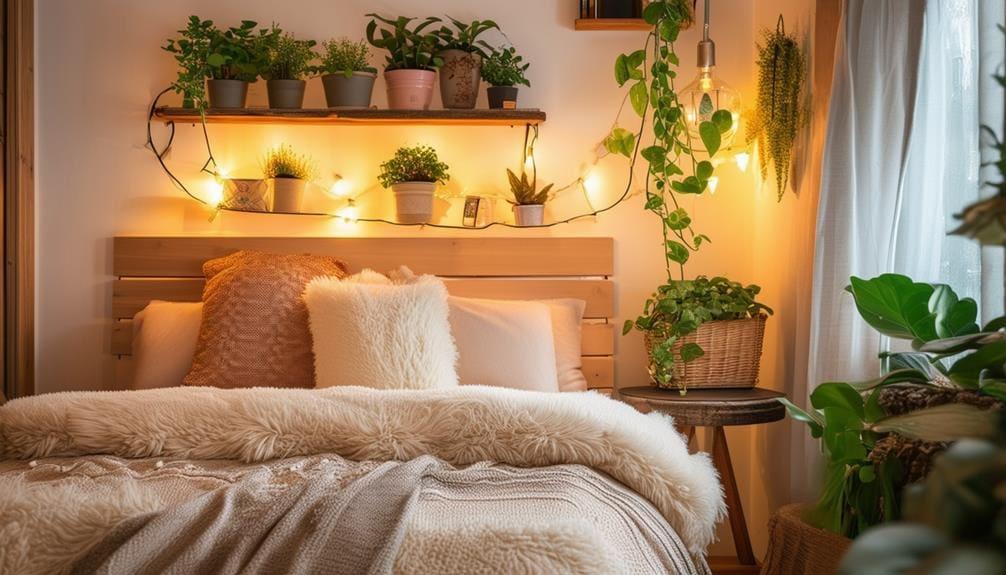
The fix cost me nothing, I just moved my phone charger to the kitchen and started charging my phone there overnight instead. It forced me to actually leave my phone in another room, and within about a week, falling asleep and waking up both felt noticeably different.
A few other no-cost or near-free changes that helped specifically in the bedroom: keeping any work materials, laptops, notebooks, out of the room entirely, even if that means a single box that lives in a closet. Switching my phone alarm for an eight-dollar basic alarm clock so I had a real reason to leave the phone elsewhere. Making the bed every morning, which takes about ninety seconds but changes how the whole room looks and feels for the rest of the day.
None of these are complicated. They’re just decisions about what’s allowed in that one room, and sticking to them consistently.
What I’d Actually Tell a Friend
If someone asked me where to start with this, I wouldn’t tell them to redecorate or buy anything expensive. I’d tell them to clear one surface, swap one harsh bulb for a warm one, and light a candle when they get home instead of turning on the TV. The hotel room that started all this wasn’t actually special. It was just clean, warm, quiet, and uncluttered, three or four small things working together. None of that requires a renovation budget. It just requires noticing what’s actually making your space feel stressful, and fixing those specific things instead of assuming the whole house needs an overhaul. Whatever you end up trying, start small enough that you’ll actually finish it. A clear counter and a warm lamp will do more for how your home feels than a whole afternoon spent scrolling through furniture you can’t currently afford.
Solo Travel as a Woman: What I Wish Someone Had Told Me Before My First Trip
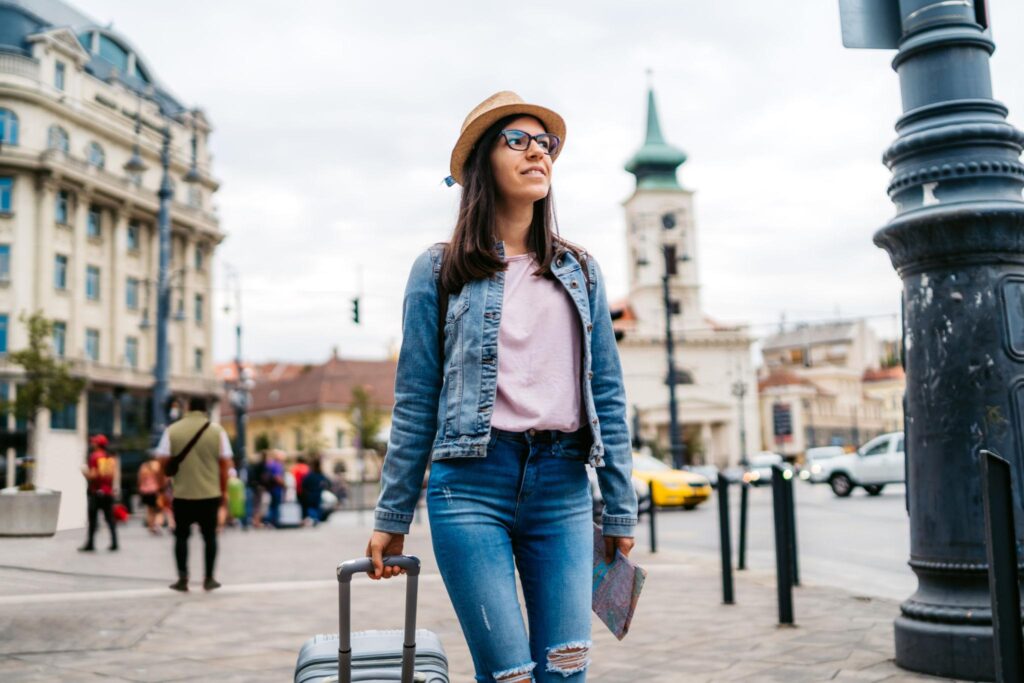
I booked my first solo trip at 1 a.m. on a Tuesday, half out of spite after a friend cancelled on our planned vacation, and half out of pure stubbornness. I picked Lisbon because flights were cheap and I’d heard it was safe-ish for solo women. Then I spent the next three weeks before the trip in a quiet panic, googling things like “is it weird to eat alone at a restaurant” and “how do solo female travelers stay safe at night,” and not really finding answers that felt real.
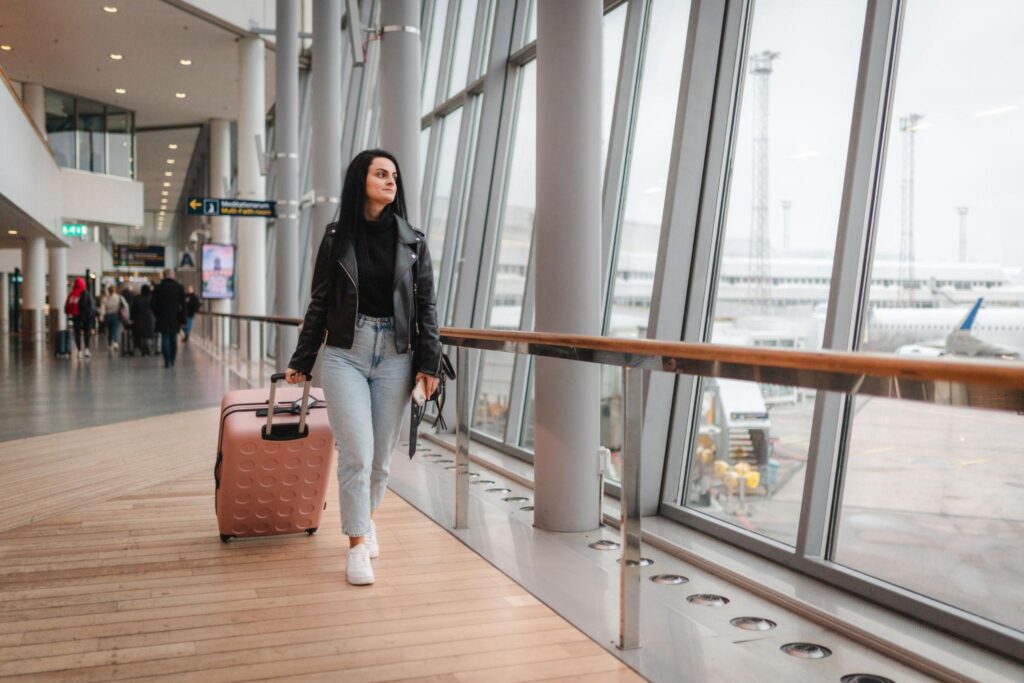
Everything I read online was either fear-based, ten warnings for every one piece of useful advice, or so falsely confident it felt like it was written by someone who’d never actually been nervous about anything. Neither version matched what I actually experienced once I landed.
This is the version I wish someone had handed me before that first trip. Not a list of generic safety tips you’ve already seen a hundred times, but the actual stuff, the awkward moments, the mistakes, the things that turned out to matter way less than I thought, and the few things that mattered way more.
The Fear Beforehand Is Almost Always Worse Than the Trip Itself
I want to start here because this was the single biggest gap between what I expected and what actually happened. The week before my flight, I genuinely considered cancelling twice. Not because anything had gone wrong, but because my brain had spent three weeks building an imaginary worst-case version of solo travel that had nothing to do with reality.
The actual trip was almost boring by comparison, in the best way. I got lost twice, asked a stranger for directions both times, and nothing dramatic happened. I ate dinner alone on my first night and felt awkward for about ten minutes before realizing literally no one was paying attention to me. That awkward feeling faded so much faster than I expected.
If you’re in the planning stage right now feeling that pre-trip dread, that’s normal, and it’s not a reliable predictor of how the trip will actually go. Almost every solo female traveler I’ve talked to since says the same thing, the anxiety peaks right before departure and drops dramatically within the first 24 to 48 hours.
Picking Your First Destination Matters More Than People Admit
I got lucky picking Lisbon without really knowing why it was a smart first choice. Looking back, a few things made it easier than it could’ve been, and I’d actually plan around these now instead of stumbling into them by accident.
Good public transit matters more than almost anything else. Cities where you can get around without needing a car take a huge amount of stress off your plate. Walkable, well-lit city centers help too, you want somewhere you can wander without constantly checking a map. And a reasonable amount of English signage or English-speaking locals takes the edge off, especially for a first trip, even if you’re someone who enjoys the challenge of a language barrier later on.
Cities that consistently come up as solid first solo trips for women include places like Lisbon, Tokyo, Copenhagen, and Reykjavik, not because they’re flawless, but because they tend to score well across safety, walkability, and ease of navigation for first-timers. That doesn’t mean other places are off-limits, it just means starting somewhere a little more forgiving lets you build confidence before tackling somewhere more challenging.
The Apps and Tools That Actually Made a Difference
I downloaded probably fifteen travel apps before that first trip and used maybe four of them regularly. Here’s what actually earned a permanent spot on my phone.
Google Maps, obviously, but specifically the offline maps feature. I download the map of wherever I’m staying before I land, so I’m never relying on finding wifi or burning through data just to figure out where I am.
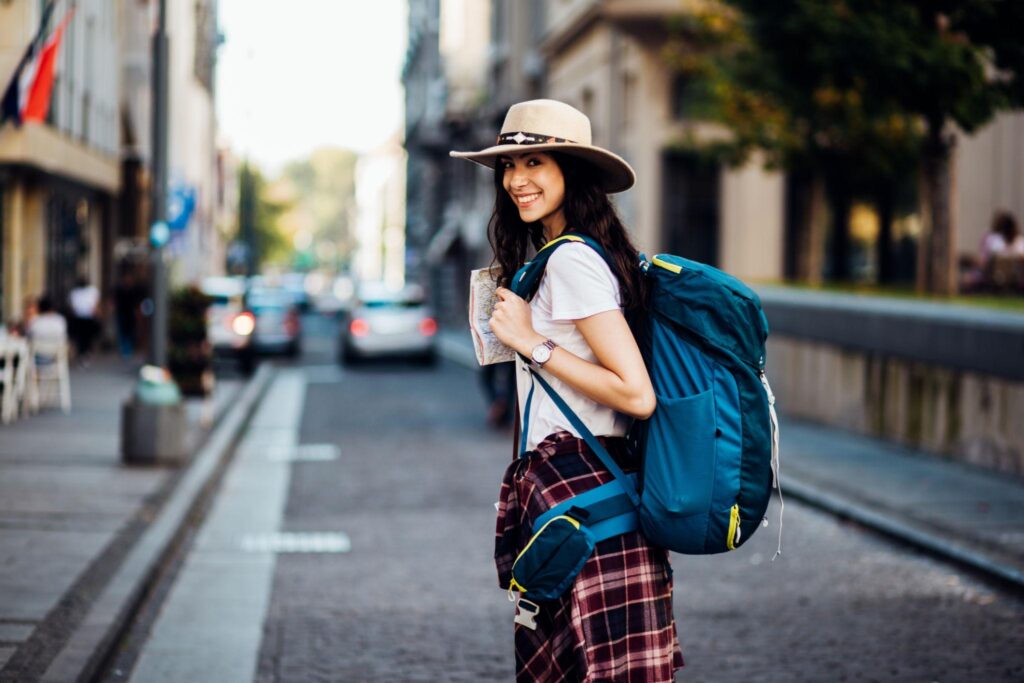
WhatsApp became my main way of checking in with family back home, since it works over wifi and most countries I’ve visited use it more than regular texting anyway.
I started using a simple share-my-location feature, both Google Maps and the iPhone Find My app let you share live location with someone for a set period of time. I’d turn this on anytime I was heading somewhere at night or doing something slightly outside my normal routine, like a day hike or a late train.
For accommodations, I lean heavily on reviews that specifically mention solo female travelers, both Booking.com and Hostelworld let you filter or search reviews, and I specifically look for mentions of the neighborhood feeling safe at night, not just the room itself.
What I Got Wrong on That First Trip
I made some mistakes worth mentioning, because the “everything went perfectly” version of this story wouldn’t actually be useful to anyone.
I way over-packed out of nervous energy, bringing things like a doorstop alarm and a money belt I never once used because they felt bulky and unnecessary once I was actually there. I overplanned the first two days down to the hour, which left zero room for the kind of spontaneous detour that ended up being one of my favorite memories from the whole trip, a tiny bakery I only found because I got slightly lost.
I also didn’t tell enough people my actual day-to-day plans. I’d told my mom the general dates and city, but not specific addresses or daily plans, which in hindsight was more worry-inducing for her than it needed to be and wasn’t actually safer for me.
The fix for that last one is simple. Before any trip now, I share a basic day-by-day plan with one or two people back home, nothing detailed, just which neighborhood I’ll be in and roughly when, updated if plans change. It takes five minutes and gives everyone, including me, more peace of mind.
Step-by-Step: How I Actually Plan a Solo Trip Now
This is the process I’ve refined over several solo trips since that first one, and it’s a lot less complicated than the pre-trip anxiety usually makes it feel.
Start with research that’s specific to solo women, not general tourism advice. Forums like the Solo Female Travelers Club on Facebook and r/solotravel on Reddit tend to have far more honest, recent input than generic travel blogs, including specific neighborhoods to avoid or areas that are genuinely fine despite their reputation.
Book your first night’s accommodation before you arrive, even if you plan to stay flexible after that. Landing somewhere unfamiliar with nowhere confirmed to go adds stress you don’t need on day one.
Save offline maps and download any relevant transit apps before you land, not after. Trying to figure out a new transit app while jet-lagged and disoriented at an airport is a completely avoidable headache.
Share a loose itinerary with someone you trust, updated as it changes, and set a regular check-in time, even something as simple as a daily good morning text.
Pack less than feels comfortable. Every solo trip I’ve taken, I’ve used less than I packed, and a lighter bag genuinely makes solo navigation easier, fewer hands full, less to keep track of, easier to move quickly if you need to.
A Real Example: The Night I Actually Felt Unsafe
I want to include this because most articles either pretend nothing ever goes wrong or lean so far into worst-case scenarios that it stops being useful. This is the one moment from several solo trips where I genuinely felt unsafe.
I was walking back to my accommodation in a city I won’t name, about a fifteen-minute walk, and a man started following a few steps behind me, matching my pace whenever I changed it. I didn’t panic, but I also didn’t ignore it.
What I actually did: I crossed the street to see if he crossed too, he did. I walked into the nearest open business, a small convenience store, and stayed inside for a few minutes pretending to browse. I used that time to call a friend and stay on the phone, talking normally, while I figured out my next move. When I left, he was gone.
Nothing dramatic happened in the end, but it was a useful lesson. Trust that uneasy feeling immediately, don’t wait to see if it’s “really” a problem. Ducking into any open, populated space buys you time and visibility. And having someone on the phone, even just talking about nothing, makes you a much less appealing target while also keeping you calmer.
Common Mistakes Solo Female Travelers Make
Overpacking safety gear you’ll never actually use. I’m not against carrying things like a personal alarm if it genuinely makes you feel more confident, but don’t let buying gear become a substitute for the more useful habits, like sharing your location and trusting your instincts.
Underestimating how much daylight matters. I plan my arrival times, especially to new accommodations, during daylight hours whenever I possibly can. Arriving somewhere unfamiliar after dark adds a layer of disorientation that’s easy to avoid with a little scheduling.
Being afraid to change plans. On one trip, a neighborhood I’d booked turned out to feel off once I actually walked around it in person, quieter and more isolated than the photos suggested. I switched accommodations the next morning. It cost me a bit of money, but it was worth every cent for peace of mind.
Not researching local norms around solo women specifically. What’s completely normal in one country, eating alone, walking somewhere at a certain hour, can draw more attention in another. A few minutes of research on this saves a lot of confusion once you’re there.
Comparing your trip to other people’s highlight reels. Solo travel accounts on Instagram show the golden hour photo, not the hour beforehand spent lost looking for that exact spot. Don’t measure your real trip against someone else’s edited version of theirs.
Things That Mattered Way Less Than I Expected
Eating alone in restaurants. I built this up enormously in my head beforehand, and within a few meals it stopped registering as a thing at all. Bringing a book or journal helps for the first couple of times if it feels awkward.
Language barriers. Translation apps, specifically Google Translate’s camera feature for reading menus and signs, solved almost every situation I worried about in advance.
Being “too old” or “too young” to travel solo. I’ve met solo travelers in their twenties and their seventies on the same hostel common room couch. Nobody actually cares as much as your own head tells you they will.
How It Got Easier Over Time
That first trip to Lisbon was five years ago now, and I’ve done probably a dozen solo trips since. The biggest shift hasn’t been in the destinations or the planning, it’s been in how much mental energy any of this takes up now.
On that first trip, I checked my location-sharing app obsessively, replayed every slightly awkward interaction for hours afterward, and spent way too much time wondering if locals could tell I was traveling alone, as if that were something to hide. None of that lasted. By my third solo trip, ordering a table for one felt completely unremarkable, and I’d stopped narrating my own safety decisions in my head like I needed to defend them to an invisible audience.
What actually built that confidence wasn’t a single big breakthrough, it was small, repeated proof that I could handle things as they came up. A missed train that I rebooked without panicking. A sketchy-feeling street I rerouted around without making it a whole emotional event. A solo dinner that turned into a conversation with the table next to me that turned into plans to grab coffee the next morning. Each one of these moments quietly chipped away at the fear from that first trip, until eventually there wasn’t much fear left to chip away.
If you’re standing where I was before that first trip, it’s worth knowing that the confidence doesn’t show up before the first trip. It shows up because of it.
What I’d Actually Tell a Friend Before Their First Trip
If a friend told me tonight she was planning her first solo trip, I wouldn’t lead with safety statistics or a long list of warnings. I’d tell her the fear beforehand is almost always louder than anything that actually happens once she lands. I’d tell her to pick somewhere walkable and well-connected for the first trip, share her rough plans with someone back home, and trust her gut the second something feels off, without needing to justify that feeling to anyone, including herself.
Mostly, I’d tell her that the version of this trip she’s afraid of and the version she’ll actually have are probably two completely different trips. Mine were. The fear was loud, detailed, and almost entirely wrong. The actual experience, awkward dinners, a near-miss on a dark street, a bakery I only found because I got lost, ended up being one of the things I’m most glad I did, nerves and all.