

About three years ago I hit a point where I was tired all the time, snapping at people over nothing, and somehow still felt like I wasn’t getting anything done. I remember sitting in my car in a parking lot, not actually going anywhere, just needing five minutes where nobody needed something from me.

That was the moment I decided something had to change. So naturally, I did what most people do. I tried to fix everything at once. New diet, new workout plan, 5am wake ups, no sugar, meditation, journaling, the whole list. I lasted nine days.
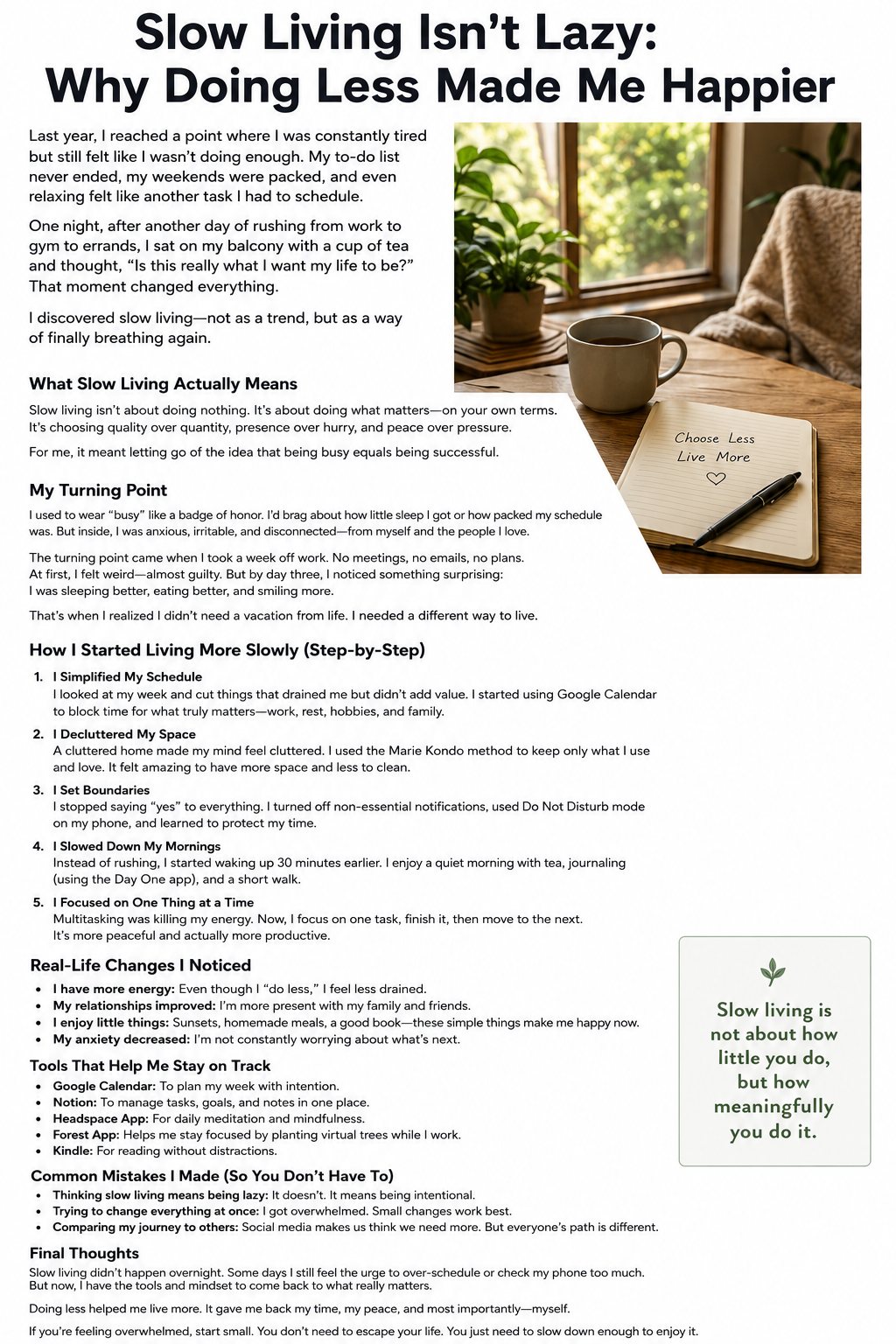
What actually worked, eventually, was the opposite approach. One small habit at a time, built slowly, with a lot of failed attempts along the way. If you’re in that same parking lot moment right now, let me walk you through what actually helped, what didn’t, and how to build a version of “living well” that doesn’t burn out before it sticks.
Why Small Habits Beat Big Overhauls
There’s a reason most New Year’s resolutions die by February. You’re asking your brain to do too much, too fast, with no transition period. I learned this the hard way during my nine day attempt at total life reinvention.
The thing nobody tells you is that willpower is more like a muscle that gets tired than an unlimited resource. If you spend all your willpower forcing yourself out of bed at 5am, there’s nothing left to resist the donuts in the break room by 10.
Small habits work because they don’t drain that resource. Drinking one extra glass of water doesn’t require much willpower at all. But that one habit, repeated daily, compounds in a way that the big dramatic changes rarely do, because you actually keep doing it.
My Biggest Mistake: Stacking Too Much Too Soon
When I restarted after that failed nine day attempt, I made almost the same mistake again, just smaller scale. I picked three new habits to start at once: a morning walk, cutting out soda, and journaling before bed.
Within two weeks, the journaling was gone. A week after that, I was back to soda. The walk survived because it had become attached to my dog needing to go out anyway, so it had outside support keeping it alive.
That taught me something important. New habits need either an existing anchor to attach to, or enough space that they’re not competing with other new habits for the same limited motivation. Trying to build three new identities at once just doesn’t work for most people, myself included.
Step by Step: How I Actually Built Habits That Stuck
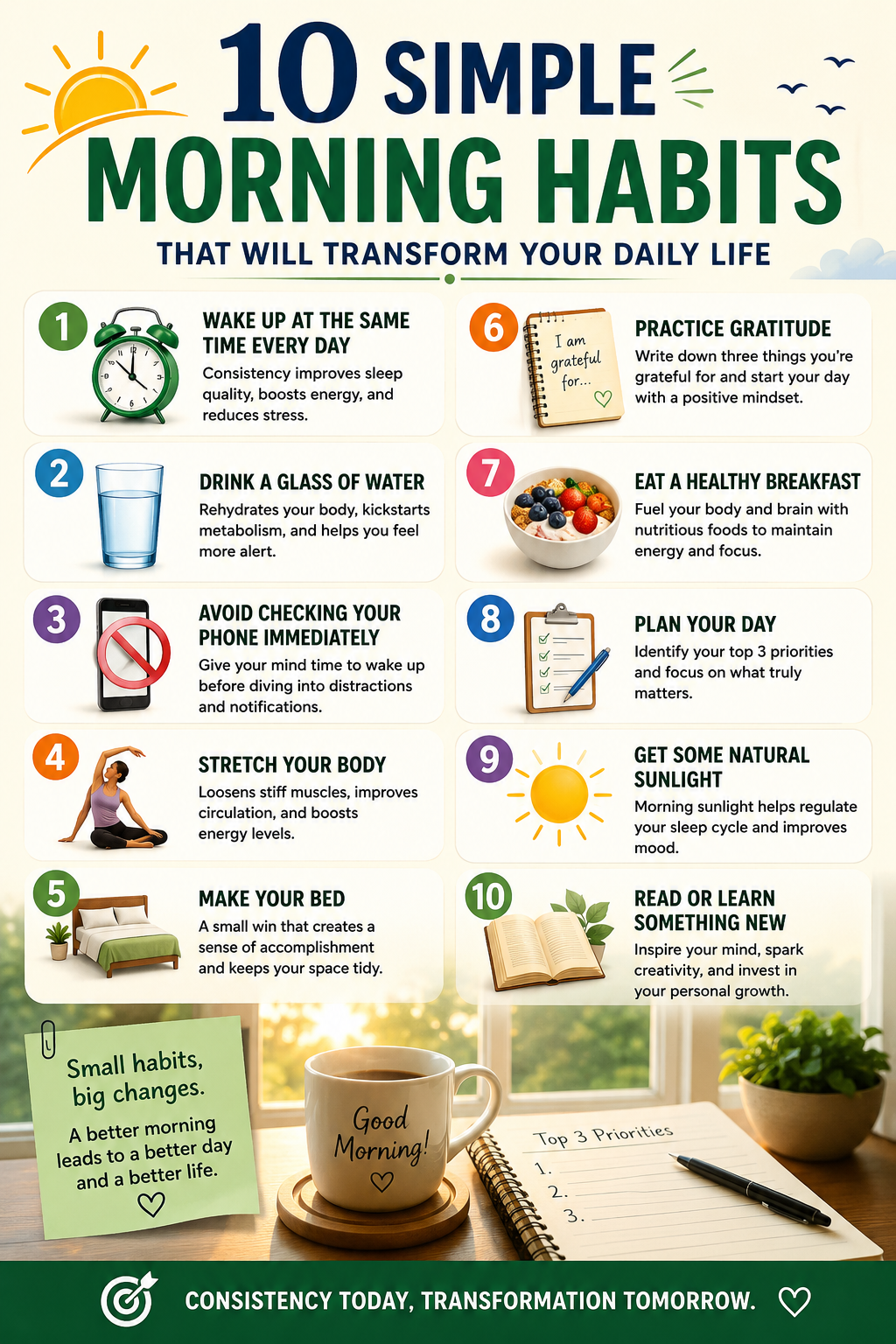
Here’s the process that finally worked, after a fair number of failed attempts.

1. Pick one habit, not five
I know this sounds almost too simple, but it’s the single biggest factor in whether a habit survives. One new habit at a time, given a few weeks before adding another. It feels slow. It is slow. It also actually works, which the five habit version never did for me.
2. Attach the new habit to something you already do
This is sometimes called habit stacking, and it genuinely changed things for me. I started doing ten pushups right after brushing my teeth in the morning, since brushing my teeth was already automatic. The existing habit became the trigger for the new one, so I didn’t have to rely on remembering or feeling motivated.
3. Make the first version embarrassingly small
When I wanted to start exercising regularly, I didn’t start with a 45 minute gym session. I started with putting on my shoes and walking to the end of the driveway. Some days that’s all I did. Most days, once I was out there, I kept going. The goal was just making the habit too small to skip, not making it impressive.
4. Track it somewhere visible
I use the Streaks app on my phone now, mostly because seeing a chain of checkmarks build up is weirdly motivating, and breaking the chain feels like a real loss rather than just skipping a day. A simple paper calendar with X marks works just as well if you don’t want another app. The point is just making progress visible.
5. Expect to miss days, and have a rule for getting back on track
I used to treat one missed day as a total failure, which usually spiraled into missing a week, then giving up entirely. Now I follow a simple rule: never miss twice in a row. One missed day is just a day. Two in a row is the start of a pattern, so I treat that as the line not to cross.
6. Review and adjust every few weeks, not every day
Checking in daily on whether a habit is “working” is exhausting and leads to overthinking. I do a quick check every few weeks instead. Is this habit still serving me? Does it need adjusting? Should I add the next one? That rhythm keeps things sustainable without becoming another source of stress.
Real Examples That Actually Changed Things For Me
Drinking more water sounds almost too basic to mention, but it had a bigger effect on my energy levels than almost anything else I tried. I started keeping a water bottle on my desk and refilling it every time it was empty, no tracking app, just visibility.

Sleep was the habit that took the longest to fix, but it had the biggest payoff. I started keeping my phone charging outside the bedroom instead of on the nightstand. That one change cut my late night scrolling noticeably, simply because reaching for my phone required getting out of bed.
Journaling finally stuck on the second attempt, once I dropped the idea of writing pages every night and switched to three sentences, max. What went well, what was hard, what I’m looking forward to tomorrow. Some nights it’s genuinely three short sentences and that’s enough.
Meal prep was another one that failed in its ambitious form, where I tried to prep five days of meals every Sunday and burned out within a month. The version that stuck was much smaller. I just chop vegetables for the week in one sitting, and figure out the actual meals as I go. Less impressive on paper, far more sustainable in practice.
I also started using the Headspace app for short, ten minute guided meditations a few mornings a week. I was skeptical at first, expecting it to feel forced or new agey, but the structure actually made it easier to stick with than trying to meditate on my own with no guidance.
Common Mistakes People Make When Trying to Live Well
Trying to change everything on January 1st is probably the most common one. Big public commitments to total transformation rarely survive contact with a normal busy week. Starting on a random Tuesday, with one small habit, has a far better track record.
Choosing habits based on what looks good rather than what actually fits your life is another trap. I tried running for months because it seemed like the “real” healthy habit, even though I genuinely disliked it every single time. Once I switched to walking, which I actually enjoyed, consistency stopped being a struggle.
Relying entirely on motivation instead of systems is a mistake I made repeatedly. Motivation comes and goes. The habit stacking and visible tracking methods I mentioned earlier work because they don’t depend on how you feel on a given day.
Ignoring the all or nothing trap is a big one. Missing a workout doesn’t mean the week is ruined. Eating something unplanned doesn’t undo the rest of your habits. I used to let one slip turn into a full week off, and learning to treat a single miss as just a single miss made a massive difference.
Not giving habits enough time before judging them is another common issue. Most habits feel awkward and effortful for the first few weeks. Quitting at week two, right before it starts feeling more natural, means missing the point where it actually gets easier.
Practical Tools That Genuinely Help
A few things I keep coming back to, beyond what I’ve already mentioned. The Streaks app for tracking small daily habits without much setup. A basic kitchen timer, or just my phone’s built in one, for things like the Pomodoro technique when I need short bursts of focus. A simple paper notebook for the three sentence journaling, since having it be low tech makes it easier to actually do at the end of a long day. And a water bottle that’s just annoying enough to notice sitting empty on my desk, which sounds silly, but visibility really does most of the work.
Final Thoughts
Living well was never about the dramatic overhaul I tried in those first nine days. It turned out to be about the boring, repeatable, almost forgettable small choices that add up over months without you really noticing until one day you realize you feel noticeably better than you did a year ago.
If you’re sitting in your own version of that parking lot moment, my honest advice is to pick one thing. Just one. Make it small enough that skipping it feels silly, attach it to something you already do, and give it real time before deciding whether it’s working. The big changes really do come from the small habits. They just take longer to show up than anyone wants to admit, and that’s exactly why most people quit right before they would have worked.
Milestone Moments: Making Every Celebration Unforgettable
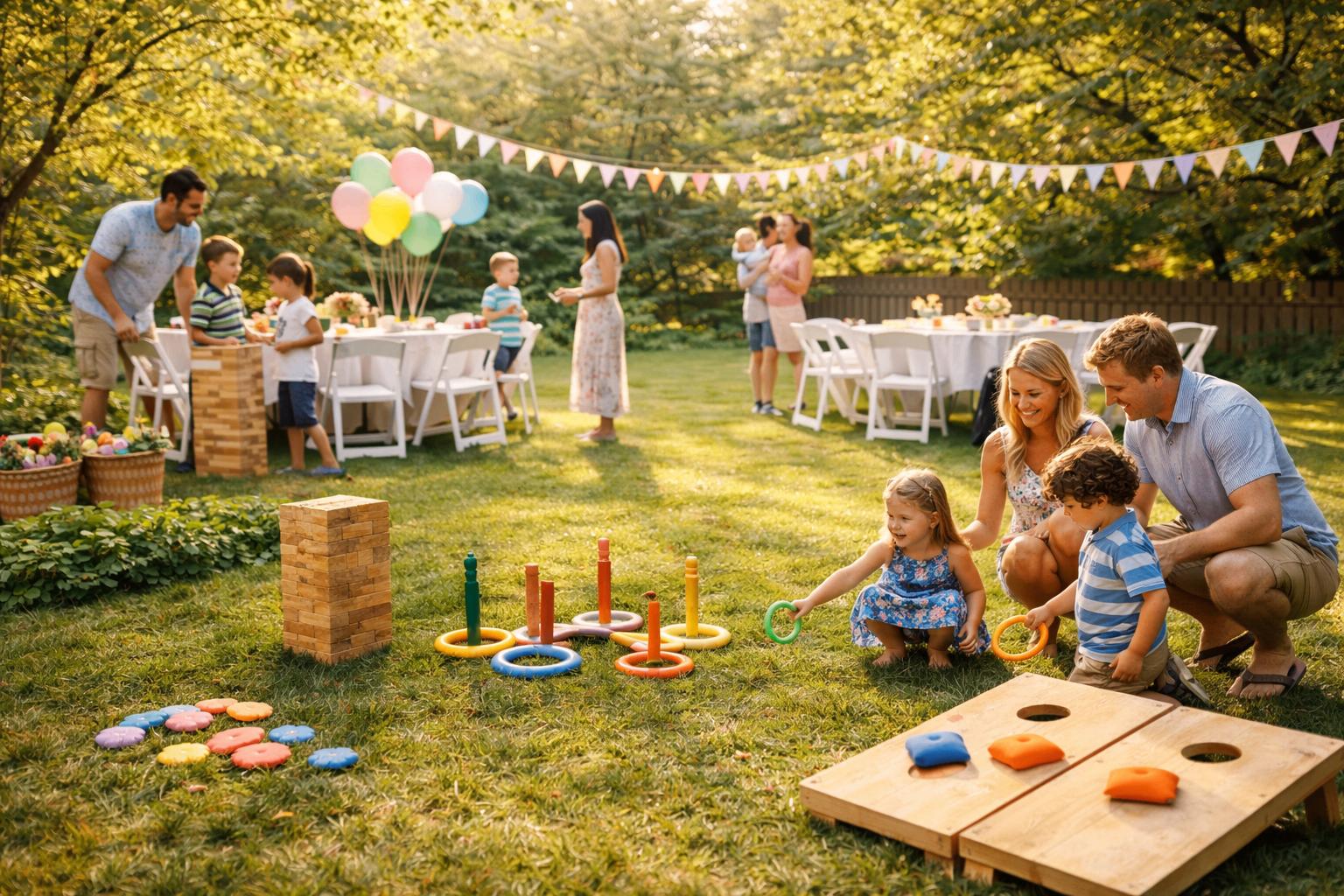
My mom’s 60th birthday was supposed to be perfect. I’d been planning it for three months, color coded spreadsheet and everything. Then the caterer canceled two days before, it rained on the one outdoor party I’d planned, and the cake got delivered to the wrong address entirely.

And somehow, it ended up being one of the best parties I’ve ever thrown.
We scrambled, ordered pizza from the place down the street, moved everything into the garage, and someone’s uncle ended up doing an impromptu karaoke set with a Bluetooth speaker. My mom still brings that party up as one of her favorite memories, not despite the chaos, but kind of because of it.
That party taught me more about celebrations than every Pinterest board I’d ever scrolled through. So if you’re planning a milestone event, a big birthday, an anniversary, a graduation, a retirement party, let me share what actually makes these things memorable, and what I wasted time and money on that nobody even remembers.
What Actually Makes a Celebration Memorable
For years I thought memorable meant impressive. Perfect decorations, professional photographer, a flawless run of show. I’ve thrown parties like that. People had a fine time. They don’t really talk about them years later.
The parties people actually remember are the ones with a story attached. The slightly chaotic moment. The unexpected toast that made everyone cry laughing. The game that got way too competitive. Perfection is forgettable. A good story sticks.
This doesn’t mean planning doesn’t matter. It absolutely does. But the goal of planning isn’t to eliminate every imperfection. It’s to build enough of a foundation that when something inevitably goes sideways, the event can flex instead of fall apart.
My Biggest Mistake: Over Planning to the Point of Stress
Before that chaotic 60th birthday, I threw my own 30th, and I planned every single minute of it. Custom playlist timed to specific moments, a run of show printed and taped to the wall, even a backup plan for my backup plan.
I spent the entire party checking my phone for the schedule instead of actually talking to the people who showed up to celebrate with me. A friend later told me I seemed stressed the whole night, which was the opposite of what I wanted.
That was the lesson that eventually led to the better, looser version of party planning I use now. Plan the things that genuinely need planning, like food, space, and a rough flow for the evening. Then let go of the rest and actually be present for it.
Step by Step: How I Plan Milestone Celebrations Now
Here’s the process that’s worked across birthdays, anniversaries, and a couple of graduation parties since then.

1. Pick the one or two things that actually matter most
Before doing anything else, I decide what the non-negotiables are. For my mom’s party, it was good food and her closest people in the room. Everything else was flexible. Once you know your priorities, it’s much easier to let go of the stuff that doesn’t matter when things go wrong, because you already know what actually does.
2. Set a realistic budget early, and build in a cushion
I learned this after underestimating costs on my first big event and scrambling to cover a catering bill I hadn’t planned for. Now I set a number, then add 15 to 20 percent on top as a buffer, because something unexpected almost always comes up, whether it’s a last minute headcount change or a rental fee I forgot about.
3. Send invites early, and make RSVPing painless
I use Partiful for casual gatherings now, since it’s simple and people actually respond. For more formal events, Evite still works fine. The key is sending invites at least three to four weeks out for a milestone event, and including a clear RSVP deadline so you’re not guessing on headcount the week before.
4. Build a loose timeline, not a minute by minute schedule
I still make a timeline, but it’s broad now. Arrival window, food service window, a rough time for toasts or speeches if there are any, and an end time. That’s it. No more taped up run of show with five minute increments.
5. Delegate at least one task to someone you trust
For years I tried to do everything myself, which meant I was setting up tables and running to the store for ice while guests were already arriving. Now I hand off at least one job, drinks, music, or greeting guests, to someone who actually wants to help. It takes pressure off me and makes them feel involved.
6. Build in one small personal touch, not ten
Early on, I tried to add way too many personalized details: custom napkins, a photo timeline, handwritten notes for every guest. It was exhausting and honestly, most guests didn’t notice half of it. Now I pick one meaningful touch, like a memory jar where people write down a favorite story to read later, and put real effort into that one thing instead of spreading myself thin.
7. Have a flexible backup plan for the one thing most likely to go wrong
For outdoor events, that’s weather. I always have an indoor or covered backup space confirmed ahead of time, even if I never expect to use it. For catering, I keep a backup option in mind, even just a list of restaurants that do quick group orders, in case the main plan falls through.
Real Examples From Celebrations I’ve Planned
For my dad’s retirement party, we set up a simple guestbook station using a nice notebook and asked people to write down their favorite memory working with him over the years. It cost almost nothing and ended up being the thing he read over and over for weeks afterward.

For a friend’s graduation party, instead of an expensive photo booth rental, we used a Polaroid camera and a corkboard, and let guests pin their photos up with a short caption. Total cost was under 40 dollars, and the board became the centerpiece of the party.
At my own 35th birthday, I used Spotify’s collaborative playlist feature and let guests add songs throughout the night. It turned into this weird, wonderful mix of everyone’s music taste, and people kept commenting on specific songs other guests had added.
For my mom’s chaotic 60th, the unplanned karaoke moment became possible because someone happened to have a portable Bluetooth speaker in their car. I’ve since started keeping one on hand for every party, just in case, because spontaneous moments like that are often what people remember most.
Common Mistakes People Make When Planning Celebrations
Trying to please everyone is a big one. I spent years trying to accommodate every dietary preference, every schedule conflict, every possible objection before an event even happened. Now I plan for the core group and make reasonable accommodations, instead of trying to engineer a party that works perfectly for absolutely everyone.
Underestimating setup and cleanup time is another common trap. I used to plan parties to start exactly when setup finished, leaving zero buffer. Now I build in at least an hour of cushion before guests arrive, because something always takes longer than expected.
Spending the whole event behind the scenes is something I did for years without realizing it. If you’re the host, people want to see you, talk to you, celebrate with you. Delegating tasks, even small ones, frees you up to actually be part of your own event instead of just running it.
Overspending on decorations that get used for three hours is a trap I fell into more than once. A few thoughtful, photogenic decor pieces go further than an entire store’s worth of generic party supplies that all end up in the trash the next day.
Forgetting to actually document the moment is easy to overlook when you’re busy hosting. I now ask one guest, usually someone who isn’t a phone photographer by nature, to just take candid shots throughout the night on their phone. It’s far more authentic than a few posed photos at the start before people relax.
Practical Tools That Actually Help
A few things I use regularly now. Partiful for invitations and RSVP tracking on casual events. Canva for quick, free custom invitations or signage when I want something more personalized than a template. Spotify’s collaborative playlists for music that reflects everyone in the room, not just my own taste. Google Forms when I need to collect dietary restrictions or song requests ahead of time without a lot of back and forth messaging. And a simple shared Google Sheet for budget tracking, since it keeps every cost visible in one place instead of scattered across receipts.
Final Thoughts
The parties people remember years later are almost never the flawless ones. They’re the ones where something genuine happened, a laugh, a story, an unplanned moment that nobody could have scheduled.
Plan the parts that need planning. Food, space, a loose sense of flow for the evening. Then let go of the rest and actually show up for the people you’re celebrating with, instead of spending the whole night managing a schedule.
My mom still talks about that rained out, wrong cake, garage karaoke birthday more than any other party I’ve thrown. Sometimes the moments that go a little sideways end up being the ones worth remembering most.