

I still remember standing in a crowded street in Jaipur, completely covered in pink and yellow powder, laughing so hard my cheeks hurt, when a stranger handed me a plate of sweets and said, “Happy Holi, sister.” I had no idea who he was. It didn’t matter. That’s the thing about festivals. For a few hours, everyone belongs to everyone.

I’ve chased festivals across a handful of countries since then, sometimes on purpose, sometimes just because I happened to be in the right city at the right time. And every time, I learn something new, not just about the culture, but about how to actually enjoy these events without turning into an exhausted, overwhelmed mess by hour three.
So if you’re thinking about planning a trip around a festival, or you just want to understand what makes these celebrations so special, let me walk you through what I’ve picked up along the way.
Why Festivals Hit Different Than Regular Sightseeing
Museums are great. Landmarks are great. But there’s something about a festival that skips the tourist part of your brain and goes straight to your gut.
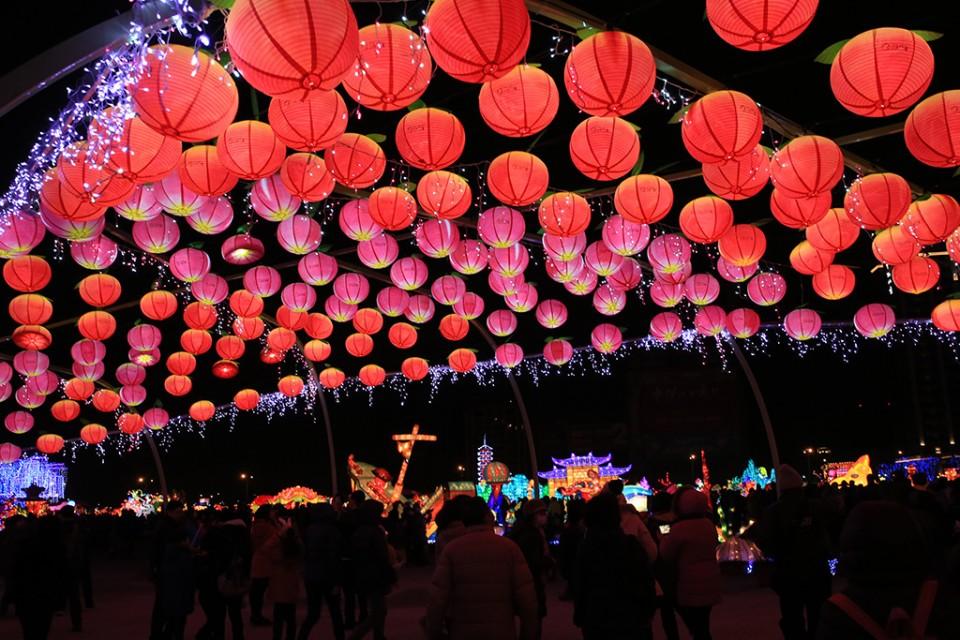
When I went to Loy Krathong in Chiang Mai, watching thousands of paper lanterns drift up into the night sky while the river below filled with floating candles, I wasn’t thinking about camera angles or checking things off a list. I just stood there, mouth open, feeling small in a good way.
Festivals give you a front row seat to what a culture actually values: community, gratitude, remembrance, joy, sometimes grief. You don’t get that from a guidebook. You get it from standing in the middle of it.
My First Big Mistake: Treating It Like Sightseeing
The first festival I ever traveled for was Diwali in Varanasi. I showed up with a checklist mindset: get the perfect shot of the ghats lit with diyas, see this temple, eat that specific sweet, leave by 9pm because I had an early train.
Big mistake.
I rushed through the whole thing trying to “complete” it like a task, and honestly, I barely remember half of what I saw, because I was so focused on documenting it instead of being in it.
The next year, in Kolkata for Durga Puja, I did the opposite. No checklist. I just followed the crowd, sat down when I felt like sitting, talked to people, ate when something smelled good. That trip is the one I actually remember in detail: the smell of incense mixing with street food, an elderly woman teaching me how to do the aarti properly, kids running around with sparklers.
Lesson learned. Festivals reward presence, not efficiency.
Step by Step: How I Actually Plan a Festival Trip Now
Here’s the process I use now, after enough trial and error.
1. Research the actual dates early, not just the “season”
Many festivals follow lunar calendars (Diwali, Songkran, Chinese New Year), so the date shifts every year. I use timeanddate.com and double check with local tourism boards, or just do a quick search a month or two before booking anything. Booking based on “it’s usually around this time” once got me to Spain two weeks too early for Las Fallas. Lesson very much learned.
2. Book accommodation absurdly early
For Carnival in Rio or Oktoberfest in Munich, places fill up six to nine months out, and prices triple closer to the date. I now set a calendar reminder for “festival research” a full year ahead for any bucket list event.
3. Look up the etiquette before you go
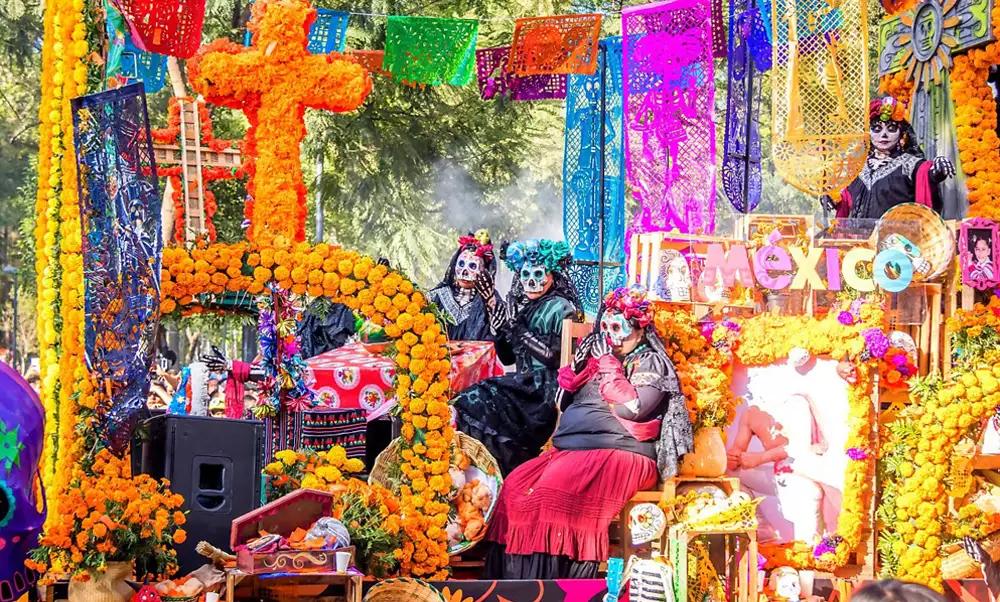
This one matters more than people think. At Holi, wearing clothes you actually want to keep clean is a rookie error. Wear stuff you’re fine throwing away. At Day of the Dead in Mexico, face paint and costumes are welcome, but treating ofrendas (altars) like photo props without understanding their meaning can come across as disrespectful. A five minute search on local customs saves you from being “that tourist.”
4. Pack festival specific gear
For Holi: old clothes, sunglasses (powder in your eyes is no joke), and a phone pouch or waterproof case. For Songkran, the Thai New Year water festival: a dry bag for your phone and wallet, because you will get soaked. For winter festivals like Christmas markets in Germany or the Sapporo Snow Festival: actual thermal layers, not “I’ll be fine” layers. I learned this in Munich, shivering through Glühwein I could barely taste because my hands were numb.
5. Show up early, leave room to wander, and don’t over schedule
I used to plan festivals hour by hour. Now I block out a rough window and let the day unfold. Some of the best moments, a spontaneous dance circle, an old man telling me the history of a parade float, happened because I wasn’t rushing to the next thing.
6. Bring small cash, not just cards
Street vendors at festivals rarely take cards. I always carry small bills in local currency, kept in a separate pouch from my main wallet, since pickpocketing does happen in dense festival crowds.
A Few Festivals That Genuinely Changed How I See Travel
Holi, in India, is pure, chaotic joy. Strangers throwing color at each other, music blasting, everyone covered head to toe by noon. It taught me to stop worrying about how I look in photos and just take part.
Día de los Muertos, in Mexico, is beautiful and emotional in a way I wasn’t expecting. Walking through Oaxaca with marigold petals scattered everywhere, families sitting beside graves sharing food with their late relatives, it reframed how I think about grief and memory.
Songkran, in Thailand, is essentially a country wide water fight to celebrate the new year. It sounds simple, but the symbolism of washing away the old year is genuinely touching once locals explain it to you mid soaking.
La Tomatina, in Spain, is an hour of throwing overripe tomatoes at strangers in Buñol. It’s less about deep cultural meaning and more about being the best stress relief I’ve ever experienced. Sometimes a festival is just pure fun, and that’s enough.
Loy Krathong, in Thailand, is quiet and reflective, almost meditative compared to Songkran. Releasing a small lantern boat onto the river with a wish in your head is one of those moments that stays with you.
Common Mistakes People Make at Festivals
Over packing your itinerary is a common one. Trying to “do” three festivals in one trip usually means you only half experience all of them. Pick one and go deep.
Ignoring crowd safety basics is another. Big festivals mean big crowds. I always agree on a meeting point with whoever I’m traveling with in case we get separated, and I avoid the densest crowd surges. You’ll feel it coming, and that’s your cue to slow down and step to the side.
Forgetting that local festivals exist closer to home is an easy trap. You don’t always need a flight. Some of my favorite festival memories are from small town harvest festivals and neighborhood Eid celebrations I almost skipped because they felt too local to be exciting. They weren’t.

Showing up without any context is worth avoiding too. Knowing even the basic story behind a festival, like why people light lamps for Diwali or why marigolds are used for Día de los Muertos, turns a fun spectacle into something genuinely meaningful.
Worrying too much about the “perfect” photo is the last one. I get it, the lanterns, the colors, the lights are all incredibly photogenic. But I’ve watched people miss the actual magic of the moment because they were adjusting camera settings. Take a few shots, then put the phone away.
Practical Tools That Actually Help
A few things I keep coming back to: Google Translate’s camera feature for reading festival signage or menus when there’s no English around, the XE Currency app for quick conversions when haggling at festival stalls, local tourism board websites rather than just travel blogs for accurate dates and safety advisories, and WhatsApp groups or local Facebook event pages, which are surprisingly useful for finding smaller, lesser known local celebrations that don’t show up in big travel guides.
Final Thoughts
What keeps pulling me back to festivals isn’t really the spectacle, even though the lights and colors are unforgettable. It’s the feeling of being let into something, a tradition that’s been passed down for generations, suddenly open to anyone willing to show up with curiosity and respect.
You don’t need to travel across the world to get that feeling, either. Sometimes it’s a small town parade twenty minutes from your house. Sometimes it’s a neighbor inviting you to their family celebration. The lights and the colors are just the surface. The joy underneath is what actually stays with you.
If you’re planning your first festival trip, my honest advice is this. Do your research, pack smart, but once you’re there, let go of the checklist. Some of the best moments can’t be planned. They just happen while you’re paying attention.
Under One Roof: Stories of Everyday Family Life
It was just another Tuesday, plates piled in the sink, my youngest insisting on going to school in nothing but a dinosaur costume, and a work email buzzing on a phone I hadn’t touched in three days. I remember standing in the kitchen thinking, this is not how I pictured family life.

Nobody warns you about the Tuesdays. The big moments get all the attention: birthdays, holidays, first days of school. But family life mostly happens in between those things. The messy mornings. The arguments over chores. The fifteen minutes before bed when everyone is finally too tired to fight.
I’ve been living this for more than a decade now, raising kids, running a household with my partner, and learning the hard way that the polished version of family life you see online rarely matches what’s actually happening behind closed doors. So let me share what I’ve learned, the things that genuinely worked, the mistakes I made along the way, and a few small habits that changed things for us.
Why Everyday Moments Matter More Than the Big Ones
For years I thought the point was to make memories during vacations and special occasions. Disneyland trip, check. Big birthday party, check. I treated the regular days as filler, just the stuff you get through before the next “real” moment.
Then one evening, my daughter, probably six at the time, told me her favorite part of the week was Thursday nights, when we had pancakes for dinner because I was too tired to cook anything proper. Not the beach trip. Not her birthday party. Breakfast for dinner on an ordinary Thursday.
That stuck with me. Kids don’t remember things the way we expect them to. They remember the small, repeated rituals. The way you hum while making coffee. The inside joke about the dog. The fact that Dad always burns the toast a little.
My Biggest Mistake: Trying to Run a Perfect Household
When my first kid was born, I read every parenting book I could get my hands on. Color coded schedules, meal plans, a chore chart with stickers. I was determined to run a tight ship.
It lasted about six weeks.
The schedule fell apart the first time someone got sick. The meal plan collapsed during a work deadline. The chore chart turned into a source of arguments instead of motivation, because I was using it to control behavior instead of build habits together.
What actually worked was loosening my grip. We still have routines, but they’re flexible now. Dinner happens around 6, give or take an hour. Chores get done, but the chart functions more as a gentle reminder than a strict system. The house isn’t always tidy, and that’s fine.
Lesson learned. A family running smoothly doesn’t mean everything is perfectly organized. It means everyone feels safe enough to be a little messy sometimes.
Step by Step: Building Routines That Actually Stick
Here’s what’s worked for our household after a lot of trial and error.

1. Start with one anchor point in the day
Instead of trying to overhaul the entire day, we picked one fixed point: dinner together, no phones, even if it’s just twenty minutes. Everything else flexed around that. Once that one thing became consistent, other routines started forming naturally on their own.
2. Make chores a shared identity, not a punishment
We stopped saying “do your chores” and started saying “this is how our house runs.” My kids set the table not because they’re being punished or rewarded, but because that’s just what we do as a family. It sounds like a small shift, but it changed the tone of every conversation about responsibility.
3. Build in small, low effort traditions
Pancake Thursdays became an actual thing after that conversation with my daughter. We also do a five minute “rose and thorn” at dinner, where everyone shares one good thing and one hard thing from their day. It took maybe a week to feel natural, and now my kids ask for it if we skip it.
4. Use shared calendars, but keep them simple
We use a color coded Google Calendar for each family member. Nothing fancy, just enough so nobody double books a kid’s dentist appointment with a soccer game. I tried a more complex app with task assignments and reminders once. It lasted two weeks before everyone started ignoring the notifications.
5. Protect a little bit of one on one time
With multiple kids, it’s easy for the household to feel like one big group activity all the time. We started doing short one on one outings, even just a ten minute walk to get ice cream with one kid while the other stays home with a parent. It doesn’t need to be elaborate. It just needs to happen.
6. Let go of the comparison trap
This one is less of a step and more of a mindset shift. I used to scroll through other families’ posts and feel like we were somehow failing. Eventually I realized most of what gets shared online is the highlight reel, not the Tuesday with dishes in the sink and a kid in a dinosaur costume.
Real Examples From Our House
Our mornings used to be chaos. Everyone rushing, someone always missing a shoe, raised voices before 8am. We started laying out clothes and packing bags the night before, and it cut the morning stress by more than half. Small change, big difference.

We also went through a phase where screen time was a constant battle. What helped wasn’t a strict ban, which just led to sneaking around it, but setting clear windows: no screens before school, screens allowed after homework and chores. Having a predictable rule removed most of the daily negotiation.
One of our better accidental discoveries was a family meeting on Sunday evenings, fifteen minutes max, where we go over the week ahead and let everyone bring up anything bothering them. It started because of a scheduling conflict and became one of the most useful habits we have. Kids bring up things they wouldn’t normally say out loud, like feeling left out or nervous about a test.
Common Mistakes Families Make
Trying to copy someone else’s system is a common one. What works for a friend’s family might not fit yours at all. We spent months trying to follow a strict bedtime routine from a parenting blog that just didn’t match our kids’ personalities. Adjusting it to fit us, instead of forcing ourselves to fit it, made all the difference.
Treating every disagreement as a crisis is another. Siblings argue. Partners disagree about parenting choices. Most of these moments pass within minutes if you don’t escalate them. I used to step in immediately to fix every conflict between my kids. Now I give them a minute to work it out themselves first, unless it’s actually serious.
Skipping the small check ins is easy to do when life gets busy, but it adds up. A quick check in with your partner or a kid, even on a packed day, keeps small issues from turning into bigger ones.
Overscheduling activities is something we fell into for a while. Soccer, music lessons, tutoring, all in the same season. The house felt like a logistics operation instead of a home. We cut back, and the slower pace actually improved everyone’s mood, including ours.
Forgetting to include kids in decisions is another trap. Even small choices, like what to have for dinner or where to go for a weekend outing, feel more meaningful to kids when they have some say in it. It also teaches them that their voice matters in the household.
Practical Tools That Actually Help
A few things that have made daily life genuinely easier for us:
Google Calendar, shared and color coded, for keeping everyone’s schedule visible without constant texting back and forth.
A simple paper chore chart on the fridge, low tech but effective, since everyone can glance at it without opening an app.
The Cozi app, which some families I know use for shared grocery lists and meal planning, though we eventually went back to a notepad on the counter because it was faster for us.
A shared family group chat, just for logistics, like who’s picking up whom and what time dinner is. It cuts down on miscommunication more than you’d expect.
Final Thoughts
Family life under one roof isn’t really about getting everything right. It’s about showing up for the ordinary days, again and again, even when they’re messy and unglamorous.
The big celebrations matter, but they’re not what actually holds a family together day to day. It’s the pancake dinners, the Sunday check ins, the small rituals nobody outside your house would even notice.
If you’re in the middle of a chaotic season right now, dishes in the sink, a kid refusing normal clothes, an inbox you haven’t touched in days, you’re not doing it wrong. That’s just what family life actually looks like most of the time. The good stuff is usually happening right in the middle of the mess, if you slow down enough to notice it.