

I missed my bus in a small town in northern Portugal, somewhere between Porto and the coast, and ended up stuck there for six hours with no plan and barely any phone signal. I was annoyed for about twenty minutes. Then I found a tiny family run cafe, ordered something off a menu I couldn’t fully read, and ended up spending the afternoon with the owner’s grandmother teaching me how to fold pastries while her grandson translated badly and laughed the whole time.
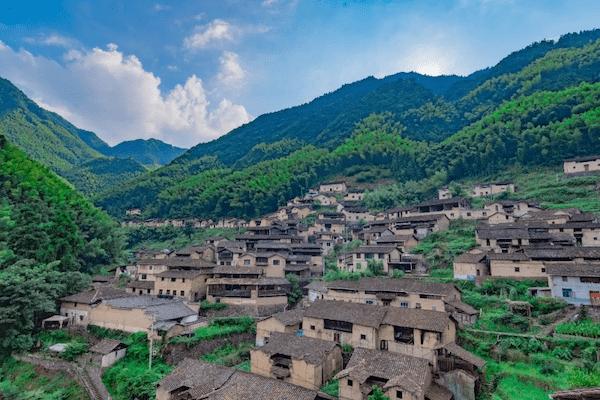
That town isn’t in any guidebook I’ve ever seen. I don’t even remember its exact name without checking my old photos. But it’s one of the trips I think about most, more than the famous spots I’d actually planned to see.
That missed bus changed how I travel. So if you’re someone who plans every stop on a trip down to the hour, or you’re just curious what happens when you don’t, let me walk you through what I’ve learned chasing the unplanned parts of travel, including the times it went wrong.
Why the Unplanned Places Stick With You
There’s a strange thing that happens with heavily touristed spots. You show up, you take the photo everyone takes, you check it off, and somehow the memory feels a little secondhand, like you experienced something other people already experienced a million times before you.
Unexpected places don’t work that way. Nobody’s told you what to expect, so there’s nothing to compare it against. You’re just there, paying attention, because you have no script to follow.
This isn’t an argument against famous landmarks. I still go see them, and they’re often worth it. But the stories I actually tell people years later almost always come from the places I never planned to visit at all.
My Biggest Mistake: Over Scheduling Every Single Day
Early on, I traveled like I was trying to win a competition. Three cities in four days, every hour mapped out, reservations made months in advance for restaurants I’d read about online. I was proud of how efficient my itineraries were.
What I noticed afterward was that I couldn’t actually remember most of those trips clearly. They blurred together into a string of landmarks and timed train connections. I was so focused on hitting the next thing that I rarely had a real conversation with anyone outside my travel group.
The Portugal trip happened because, for once, I’d left a few unscheduled days in the middle with no plan at all. That accident taught me something I now build into every trip on purpose: unstructured time isn’t wasted time. It’s where the actual stories come from.
Step by Step: How I Plan for the Unplanned Now
Here’s the approach I use now, which sounds a little contradictory, planning for spontaneity, but it works.
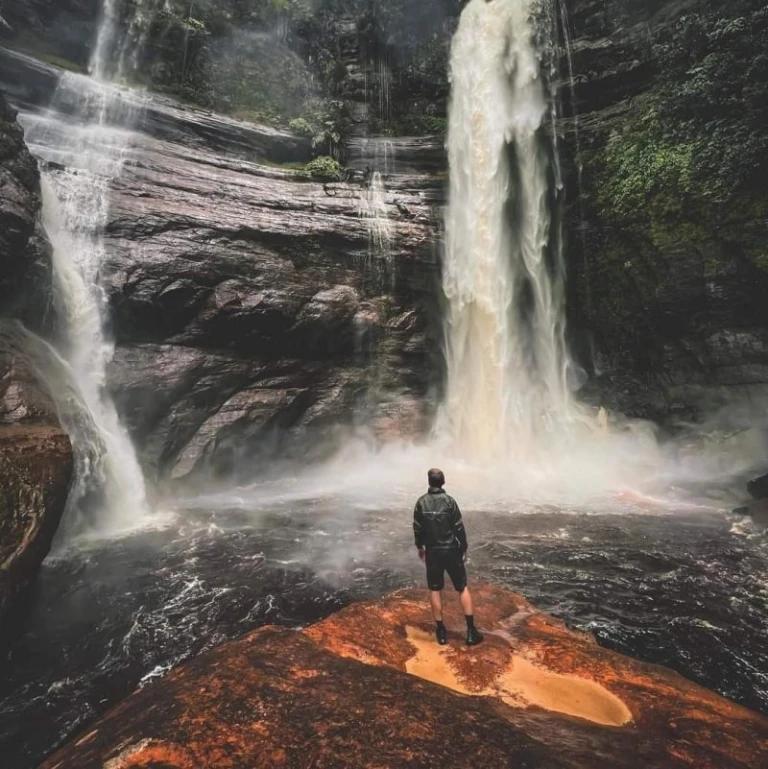
1. Block out unscheduled days on purpose
For any trip longer than five days, I now leave at least one full day with zero plans. No reservations, no must see list. Just a general area to be in and total freedom to wander, get lost, or sit somewhere for three hours if I feel like it.
2. Use offline maps so getting lost feels safe, not stressful
I rely on Maps.me or the offline maps feature in Google Maps for areas with weak signal. Downloading the region before I lose connection means I can wander confidently, knowing I can always find my way back even without data. Getting lost stopped feeling risky once I had this as a backup.
3. Ask locals where they actually go, not where tourists go
This sounds obvious, but most people don’t actually do it. I ask cafe owners, hotel staff, or even someone waiting at a bus stop with me where they’d go on a day off. Half the time the answer is somewhere I never would have found searching online.
4. Take the slower transportation option when you can
Trains and buses, instead of flights, when the distance allows it. You see the in between places this way, the small towns that exist between the cities everyone visits. Some of my best unexpected stops have happened purely because a bus made an unplanned rest stop somewhere interesting.
5. Learn a handful of local phrases, even badly
I’m not fluent in much beyond English, but I always learn basic greetings and a few key phrases using something like Duolingo or just a printed cheat sheet before a trip. People respond completely differently when you make even a clumsy effort, and it’s often the thing that turns a transaction into an actual conversation.
6. Keep a low bar for saying yes
If someone invites you to something, a meal, a local event, a strange detour, and your gut doesn’t say no for safety reasons, say yes. Some of my best unplanned experiences started with an invitation I almost declined out of habit or shyness.
7. Write things down before you forget the details
I keep a simple notes app entry for every trip, just quick fragments throughout the day. Names of people I meet, small details, things that made me laugh. These notes turn into the stories I actually remember, instead of a blur of photos I can’t fully place later.
Real Examples From Unexpected Places
That town in Portugal led to an afternoon of pastry folding lessons and an invitation to a neighborhood festival happening that same weekend, which I never would have known about otherwise. I ended up staying an extra night just for that.

In rural Japan, I once asked a station attendant for directions using a translation app, and he ended up walking me halfway across town himself because he was heading that direction anyway. Along the way he showed me a small shrine that wasn’t on any map I’d seen, tucked behind a row of houses.
While road tripping through the American Southwest, a flat tire stranded me near a tiny town I’d never heard of. The mechanic who fixed it invited me to a barbecue happening at his cousin’s place that evening, since apparently half the town was going. I left the next morning with three new phone contacts and a recipe for the best ribs I’ve ever had.
In a small fishing village in Greece, missing the last ferry of the day meant an unplanned overnight stay. The guesthouse owner, with almost no shared language between us, ended up showing me photos of her grandchildren for an hour over coffee that she refused to let me pay for.
Common Mistakes People Make When Trying to Travel Off the Beaten Path
Treating spontaneity like it requires zero preparation is a common trap. I learned this after showing up in a remote area without downloaded offline maps or any cash on hand, since the nearest ATM was over an hour away. A little preparation, like offline maps, some cash, and basic local phrases, makes spontaneity feel exciting instead of stressful.
Ignoring safety basics in the name of adventure is another mistake worth avoiding. Saying yes to unexpected invitations is great, but it’s still smart to share your location with someone you trust, trust your gut if something feels off, and avoid isolated situations at night in unfamiliar places. Adventure and recklessness aren’t the same thing.
Assuming “off the beaten path” means avoiding all planning entirely is a misunderstanding I had for a while. Some structure, like knowing where you’ll sleep that night or having a rough budget, actually makes it easier to say yes to detours, because you’re not also juggling logistical panic.
Forgetting to research basic cultural norms before wandering into unfamiliar areas can lead to accidental disrespect. A quick search on local customs, appropriate dress, or general etiquette before visiting a new region takes a few minutes and prevents a lot of awkward moments.
Rushing through unexpected places just to get back on schedule defeats the entire purpose. If you stumble into somewhere interesting but feel pressure to keep moving because of a packed itinerary, you’ll likely miss exactly the kind of moment that makes off the beaten path travel worth it in the first place.
Practical Tools That Actually Help
A few things I rely on for this kind of travel. Maps.me for detailed offline maps in areas with unreliable signal. Google Translate’s camera and conversation modes for communicating without a shared language. Duolingo or a simple printed phrase sheet for basic greetings before a trip. Rome2Rio for figuring out slower transportation options like buses and trains between smaller towns. And a simple notes app on my phone for jotting down details and names throughout the day before they fade.
Final Thoughts
The places I planned meticulously gave me good photos. The places I stumbled into by accident gave me actual stories, the ones I still tell years later without needing to check my photos first to remember what happened.
If your travel style leans toward total control, I’m not saying throw out the itinerary completely. Just leave room. A day with no plan, a willingness to say yes to a stranger’s invitation, an openness to missing the bus and seeing what happens next.
That missed bus in Portugal is still one of my favorite travel memories in life, pastry flour on my hands, a grandmother laughing at my terrible attempt at folding dough, a town I can barely find on a map anymore. Sometimes the best places are the ones you never meant to visit at all.
Spice Tales: Flavors That Tell a Story
The first time I tried to recreate my grandmother’s curry, it tasted like nothing. Technically I followed her recipe. Same ingredients, same quantities, same pot even, since I’d borrowed it from her kitchen. But it came out flat, almost bland, like a copy of a copy.
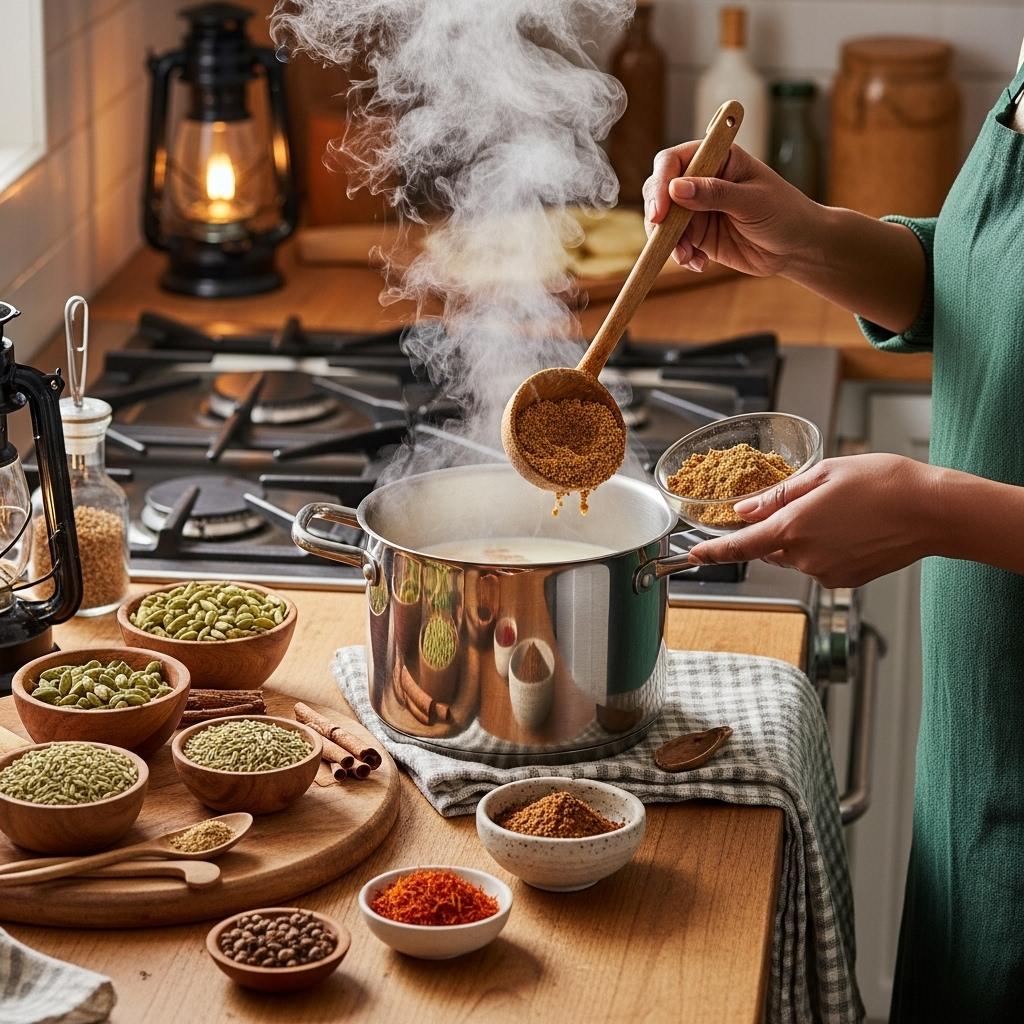
I called her, frustrated, and she asked me one question. “Did you toast the cumin first?” I hadn’t. I’d just dumped the ground cumin straight into the pot like every recipe card I’d ever read told me to. That one missed step, something she’d never bothered to write down because it was just obvious to her, was the entire difference between flat and incredible.
That phone call sent me down a years long rabbit hole into spices, not just how to use them, but where they come from, why certain combinations exist, and how much of cooking with spices is really about technique rather than just having the right jar in your cabinet. If you’ve ever followed a recipe exactly and still ended up with something underwhelming, this is probably for you.
Why Spices Are About More Than Just Flavor
Every spice blend tells you something about the place it came from. Garam masala developed the way it did because of what grew well in certain regions of South Asia. Ras el hanout, the North African blend whose name literally translates to “top of the shop,” exists because spice merchants would combine their best, most prized spices into one signature mix.
Once I started learning the stories behind spices, cooking with them stopped feeling like following instructions and started feeling like understanding a language. You start to know which spices want heat to release their flavor, which ones should go in early, which ones get added at the very end so they don’t lose their punch.
This isn’t about turning your kitchen into a chemistry lab. It’s about understanding a few key principles that make the difference between food that tastes like something and food that tastes like nothing, even when you technically followed the recipe.
My Biggest Mistake: Treating All Spices the Same Way
For years I bought whatever pre-ground spice jars were cheapest at the regular grocery store, and I added them all the same way, usually dumping everything in at once near the beginning of cooking. I assumed spice quality didn’t matter much and technique mattered even less.
Two things changed that. First, I finally tasted whole cumin seeds I’d toasted myself in a dry pan, then ground them right before using them. The difference compared to the pre-ground jar sitting in my cabinet for who knows how long was almost shocking. Second, I learned that different spices behave completely differently depending on when you add them.
Ground spices like turmeric and paprika tend to burn easily and turn bitter if added directly to high heat with nothing else in the pan. Whole spices like cumin seeds or mustard seeds often need to hit hot oil to actually release their full flavor. Delicate spices like saffron or fresh herbs frequently get added near the end, since heat destroys their character quickly.
I was treating every spice like it followed the same rules, and that one assumption was quietly ruining a lot of meals I thought I was cooking correctly.
Step by Step: Building Real Flavor With Spices
Here’s the approach that finally turned my cooking around, learned slowly through a lot of bland dinners along the way.
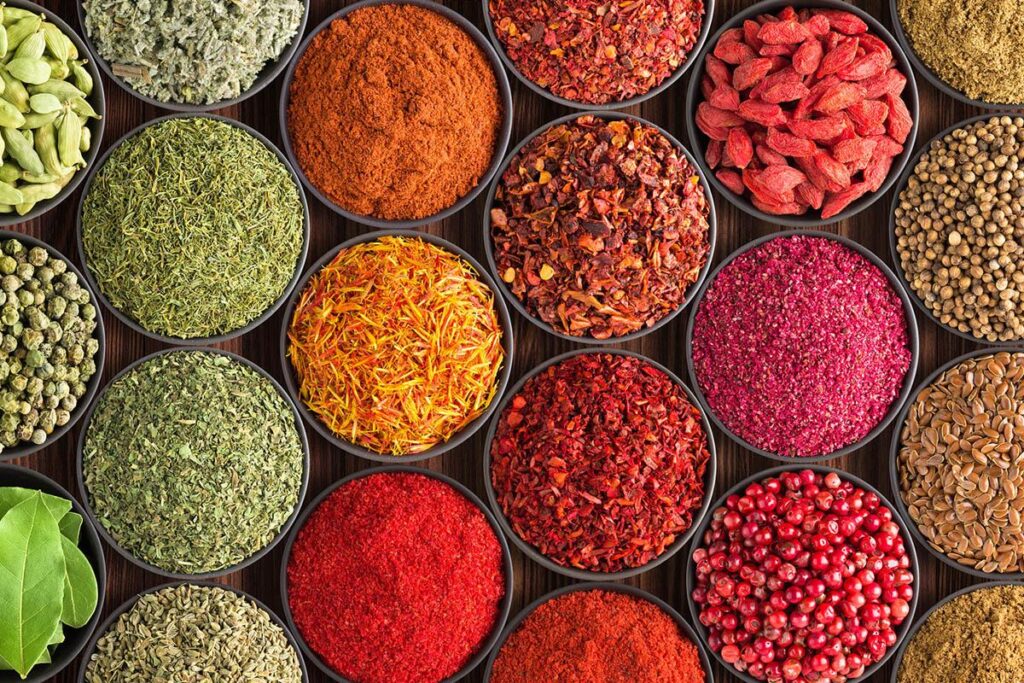
1. Buy whole spices when you can, and grind small batches
Whole spices stay fresh far longer than ground ones, sometimes for years versus just months. I use a small dedicated coffee grinder that I only use for spices, and I grind just enough for a week or two of cooking at a time. The flavor difference compared to pre-ground jars that have been sitting around is significant.
2. Toast whole spices before grinding or using them
A dry pan over medium heat for a minute or two, until the spices smell fragrant and look slightly darker, releases essential oils that stay locked up in raw spices. This was my grandmother’s missing step, and it’s honestly the single biggest change I made to my cooking overall.
3. Bloom spices in oil or fat before adding other ingredients
Many spices are fat soluble, meaning their flavor compounds dissolve into oil rather than water. Adding whole or ground spices to hot oil for thirty seconds to a minute before adding onions, garlic, or other ingredients pulls way more flavor out of them than adding them later in a watery sauce.
4. Layer spices instead of dumping them in all at once
I now think of spices in stages. Whole spices bloomed in oil at the start. Ground spices like turmeric or coriander added once there’s some moisture in the pan, like onions or tomatoes, so they don’t scorch. Delicate finishing touches like fresh herbs, a pinch of garam masala, or a squeeze of citrus added at the very end, right before serving.
5. Taste and adjust as you go, not just at the end
I used to follow a recipe blindly and only taste the final dish. Now I taste at each stage, since spice blends can shift dramatically as a dish cooks down and concentrates. What seems underseasoned halfway through often balances out, and what seems perfect early can turn overwhelming by the end.
6. Keep your spice cabinet organized and labeled with dates
This sounds basic, but I genuinely didn’t do it for years. Now I label jars with the date I ground or opened them, and I do a quick cabinet check every few months, tossing anything that’s lost its smell. If you can’t smell much when you open the jar and take a sniff, it’s not going to add much to your food either.
Real Examples That Changed How I Cook
Learning to make my own garam masala instead of buying a pre-made blend was a turning point. Every region, and honestly every family, has a slightly different ratio of cinnamon, cardamom, cloves, cumin, and coriander. Once I started toasting and grinding my own small batch, I finally understood why my grandmother’s version always tasted more complex than anything from a jar.
Discovering Diaspora Co, a company that sources single origin spices directly from farms, changed how I thought about turmeric specifically. The vivid color and genuinely different flavor compared to a generic supermarket jar made it obvious that not all spices labeled the same thing are remotely equal.
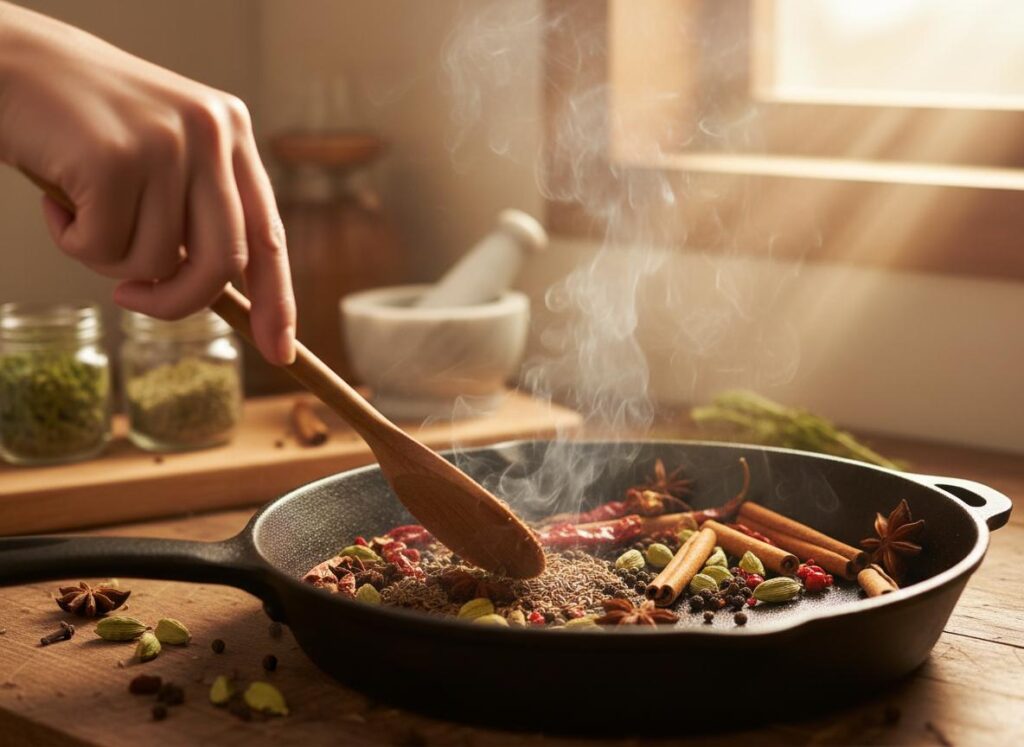
I also started keeping a small jar of toasted, ground cumin separate from raw cumin seeds, since I use them so differently. Toasted ground cumin goes into things like roasted vegetables or finishing touches, while raw seeds get bloomed in oil at the start of cooking something like a dal or curry base.
One unexpected lesson came from a Moroccan friend who showed me how ras el hanout is used more as a finishing spice in her family’s cooking than as a base layer like I’d assumed. A small pinch added at the very end of a tagine changed the entire character of the dish compared to adding it early and letting it cook down for an hour.
Common Mistakes People Make With Spices
Buying pre-ground spices and letting them sit for years is probably the most common one. Ground spices lose potency fast, often within six months to a year. They don’t become unsafe, they just stop adding much flavor. If your spice jar has been in the cabinet since a move you can barely remember, it’s probably contributing very little flavor at this point.
Adding all spices at the same time regardless of type is another mistake I made for years. Treating delicate, fat soluble, and heat sensitive spices identically means you’re either undercooking some or scorching others. Learning when to add what made a bigger difference than any new spice I ever bought.
Being afraid to use enough spice is a trap a lot of home cooks fall into, often from a fear of overdoing it. A pinch of a spice in a large pot of food usually does almost nothing. Most recipes from cultures with strong spice traditions use noticeably more than the timid amounts found in a lot of simplified recipe blogs.
Skipping the toasting step, exactly like I did for years, is an easy one to overlook since most recipe cards don’t even mention it. It takes an extra two minutes and makes a genuinely noticeable difference in flavor depth.
Assuming more expensive automatically means better is also a misconception worth avoiding. Sometimes a higher price reflects genuine quality and sourcing, but sometimes it’s just packaging. Smelling and tasting a spice, when possible, tells you more than the price tag does.
Practical Tools That Actually Help
A few things that have made a real difference in my kitchen. A dedicated coffee grinder used only for spices, since coffee oils can transfer flavor if you share one grinder between both. A simple mortar and pestle for small batches, especially for things like toasted cumin or fresh ginger and garlic paste. Glass jars with tight lids and a permanent marker for labeling dates, which sounds unglamorous but genuinely changes how often you actually use fresh spices instead of forgotten ones. And a source for whole, high quality spices, whether that’s a local international grocery store, a spice specific company like Diaspora Co or Burlap and Barrel, or a farmers market vendor, rather than relying entirely on the smallest, cheapest jars at a regular supermarket.
Final Thoughts
That flat, disappointing curry years ago turned out to be the best cooking lesson I ever got, mostly because it forced me to actually call my grandmother and ask why instead of just trying again with the same mistakes.
Spices carry real history in them, where they grow, who traded them, which families built entire dishes around a particular blend passed down for generations. Learning to use them well isn’t really about memorizing a list of rules. It’s about paying attention, tasting as you go, and understanding that the small steps nobody writes down in a recipe, like toasting cumin before it hits the pot, are usually where the actual flavor lives.
If your cooking has ever felt like it’s missing something even when you followed every instruction, it might not be the recipe. It might just be the spices, and a five minute call to whoever taught you to cook in the first place.