
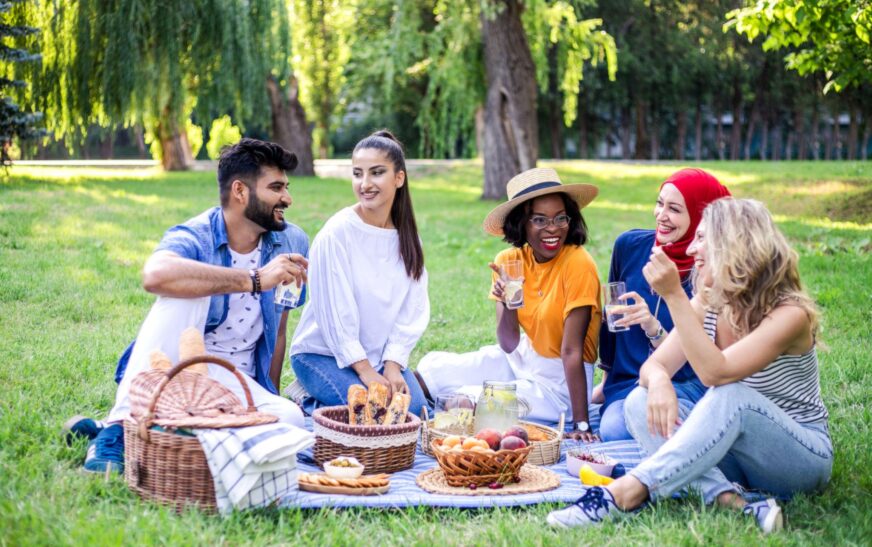
My phone has somewhere around four thousand photos on it. I counted once, approximately, while trying to free up storage. And yet when my best friend asked me recently to pick a handful of memories to describe from the last three years, I sat there struggling to come up with more than a few.
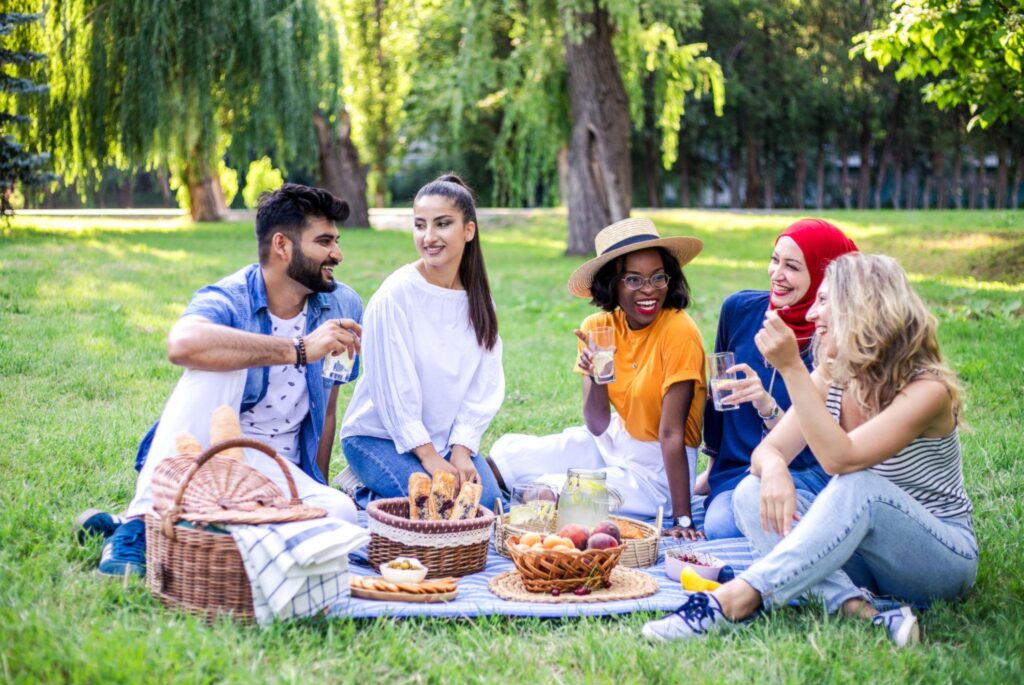
It wasn’t that nothing had happened. A lot had happened. But most of it had sort of blurred, swallowed into the background of regular life. The memories I could actually describe in detail, the ones I didn’t need a photo to remember, were almost all centered around a conversation that went somewhere unexpected, or a shared laugh that came from nowhere, or a moment where time just slowed down without anyone planning it.
That gap between four thousand photos and about six real memories bothered me enough to think seriously about why it existed. What I figured out changed how I spend time with people, and not in the dramatic, life-overhaul way. Just small shifts that made things feel more like real moments and less like documented ones.
Why Shared Moments Stay With Us
There’s something worth understanding about how memory actually works before getting into the practical side of this. Our brains don’t store memories like photos. They store experiences based on how emotionally significant they felt, how much attention we were paying, and how much genuine connection was involved.
A scroll through Instagram takes attention without giving any back. A ten minute conversation where you actually laughed until something hurt writes itself into memory in a completely different way.
This explains why a spontaneous afternoon with an old friend you ran into by accident can feel more vivid years later than a carefully planned dinner out where everyone was half-distracted by their phones. The first one had your full attention. The second one was documented but not really felt.
My Biggest Mistake: Confusing Being Around People With Actually Connecting
For a long stretch of my late twenties, I had a very active social calendar and somehow still felt like my relationships weren’t going anywhere deeper. I saw people constantly. Brunches, group dinners, birthday parties, work events. But looking back, a lot of those hours were spent in parallel rather than in actual connection.

Everyone at the same table, but everyone also half in a group chat, half talking to the person next to them about something surface level, no conversation going deep enough to actually land anywhere interesting.
The weird thing was that I thought I was doing the right thing just by showing up. I figured quantity would eventually produce quality. It didn’t, not automatically anyway.
The shift happened when a friend suggested we just take a walk together instead of making plans to go somewhere. No restaurant to navigate, no background noise fighting for attention, no phones out to check the menu or take photos of the food. Just walking and talking for an hour. That walk is one of the clearest memories I have of that whole year.
How to Create Meaningful Shared Moments
Here’s what I’ve learned works in practice, from personal experience and from watching what actually creates the kind of moments people still bring up years later.
1. Protect unstructured time with people you care about
Scheduled activities have a way of filling time without producing much closeness. A walk, a drive with no particular destination, sitting somewhere and talking with no agenda, these unstructured pockets are where real conversations tend to happen. I now try to keep at least some time with people I care about completely unscheduled and unproductive in the traditional sense.
2. Ask one real question instead of several surface ones
The standard rotation of “how’s work, how’s the family, how’ve you been” is comfortable but it rarely goes anywhere interesting. Asking one genuine question, something you’re actually curious about, something that invites a real answer, tends to open conversations up in a way that the polite warm up questions never do.
I’ve started asking things like “what’s been genuinely good lately?” or “what are you actually looking forward to?” rather than just “how are you?” The difference in what comes back is noticeable almost every time.
3. Put the phone face down and mean it
This sounds like basic advice, and it is, but most people do a version of it where the phone is technically face down but still grabbed every few minutes. What actually works is not keeping it on the table at all, or setting it to do not disturb and leaving it in a bag. The difference between phone on table and phone out of sight is bigger than it sounds.
4. Let conversations go where they want to go
I used to have a habit of mentally preparing for the topic I wanted to discuss with someone and then steering the conversation toward it. The problem was that interesting conversations rarely follow the path you planned. Learning to follow a conversational thread instead of controlling it tends to lead somewhere much more memorable than sticking to an agenda.
5. Create low pressure rituals instead of big occasional events
Big gatherings are great, but they’re hard to maintain and easy to cancel when life gets busy. A low key repeated ritual, a standing Wednesday call with a sibling, a monthly walk with a friend, a Sunday habit of cooking together, tends to produce more cumulative closeness over time than a handful of elaborate plans that require a lot of coordination to pull off.
6. Actually share something yourself
Real connection is two directional. If you’re asking good questions but never offering anything genuine back, the other person eventually feels like they’re being interviewed rather than spending time with a friend. Sharing something honest, an actual frustration you’re working through, a hope you haven’t told many people, something that makes you sound like a real person rather than someone who has everything managed, tends to invite the same kind of honesty back.
7. Write things down or tell stories from the moments you want to remember
Not photographs. Stories. Even a few sentences in a notes app about a funny conversation, the specific detail that made something memorable, the exact line someone said that made you laugh unexpectedly. These fragments are what turn a nice moment into an actual memory with texture and specificity. Years later, a story you wrote down in your own words will feel more alive than a photo you barely remember taking.
How to Create Meaningful Shared Moments
The best dinner party I’ve ever been to had no formal structure at all. The host asked everyone to share something they’d changed their mind about in the last year. That one question turned two hours into something everyone talked about for weeks afterward, not because it was profound, but because it was genuinely interesting in a way that small talk never is.

A friend of mine, who has one of the most genuinely warm relationships with her teenage daughter I’ve ever seen, told me once that the secret was the car. “Nobody looks at each other in the car,” she said. “So they actually talk.” She started volunteering for every carpool she could, not because she had time, but because something about that side by side, eyes forward setup made her daughter talk freely in a way that direct conversations sometimes didn’t.
I started using the Day One app for a while to keep a simple personal journal, mostly just to catch small moments before they faded. Not long entries, just a paragraph or two when something interesting happened. Going back through old entries is one of the more unexpectedly useful things I’ve done for my memory of the last few years.
The simplest version of something that worked came from a family holiday where we ended up stranded at a small airport for five hours due to a delay. No wifi, kids getting restless, general low level misery setting in. Someone started asking everyone at the table to describe their most embarrassing memory from childhood. Two hours disappeared. That delay became one of the most frequently told stories in our family and honestly it’s a funnier memory than the holiday itself.
Mistakes That Kill Shared Moments
Waiting for the perfect occasion is an easy trap. The meaningful moments people actually remember rarely came from anything elaborate. They came from an ordinary Tuesday where someone was paying attention.
Documenting more than experiencing is something most of us do without noticing it. There’s nothing wrong with photos, but there’s a real difference between taking a couple and then being present, versus spending the whole thing behind a lens looking for the right angle. The memory you’re trying to preserve sometimes gets crowded out by the act of preserving it.
Letting busyness become the default explanation for drifting relationships is something I’ve both done and watched others do for years. Staying genuinely close to people takes some intentional effort, not hours of it every week, but enough small touches to keep the connection alive. A voice note, a quick check in, showing up when someone mentions something is hard. These things take minutes and mean more than most people realize.
Mistaking physical proximity for actual presence is another one. Being in the same room as someone is very different from being genuinely there with them. The first one happens by accident. The second one requires some actual intention.
Treating connection as something that only happened naturally in childhood and has to be constantly manufactured as an adult tends to make the whole thing feel harder than it is. Adults make real friends and build real shared moments all the time. It just happens a bit more slowly and requires a little more deliberateness than it did when you were thrown together with people for years at a stretch.
Practical Tools for Capturing Shared Moments
A few things worth mentioning that have made a real difference. Day One for keeping a running journal of moments and conversations worth remembering, since the search function alone makes it worth it years later. Marco Polo, which a few close friends and I use for video messages when texting feels too flat and a call requires too much scheduling coordination. A shared photo album through Google Photos or iCloud for family or close friend groups, not for posting but just for capturing things privately and passing them around. And honestly, a paper notebook by the bed for the occasional thought or memory that deserves more than a phone note at the end of the day.

Final Thoughts
Four thousand photos and six actual memories was the number that started all of this thinking for me. I don’t think the answer is fewer photos. I think the answer is more moments worth remembering, and the small intentional choices that create them.
The stories people tell at weddings and funerals and reunions are almost never about the planned, photographed, expensive experiences. They’re about the walk that went on longer than expected, the delay at the airport that turned into something funny, the kitchen conversation at midnight when everyone was supposed to have gone home already.
Those moments don’t need to be planned. They just need a little room to happen, and someone paying enough attention to notice when they do.
Journeys Through Food, Family, and Culture
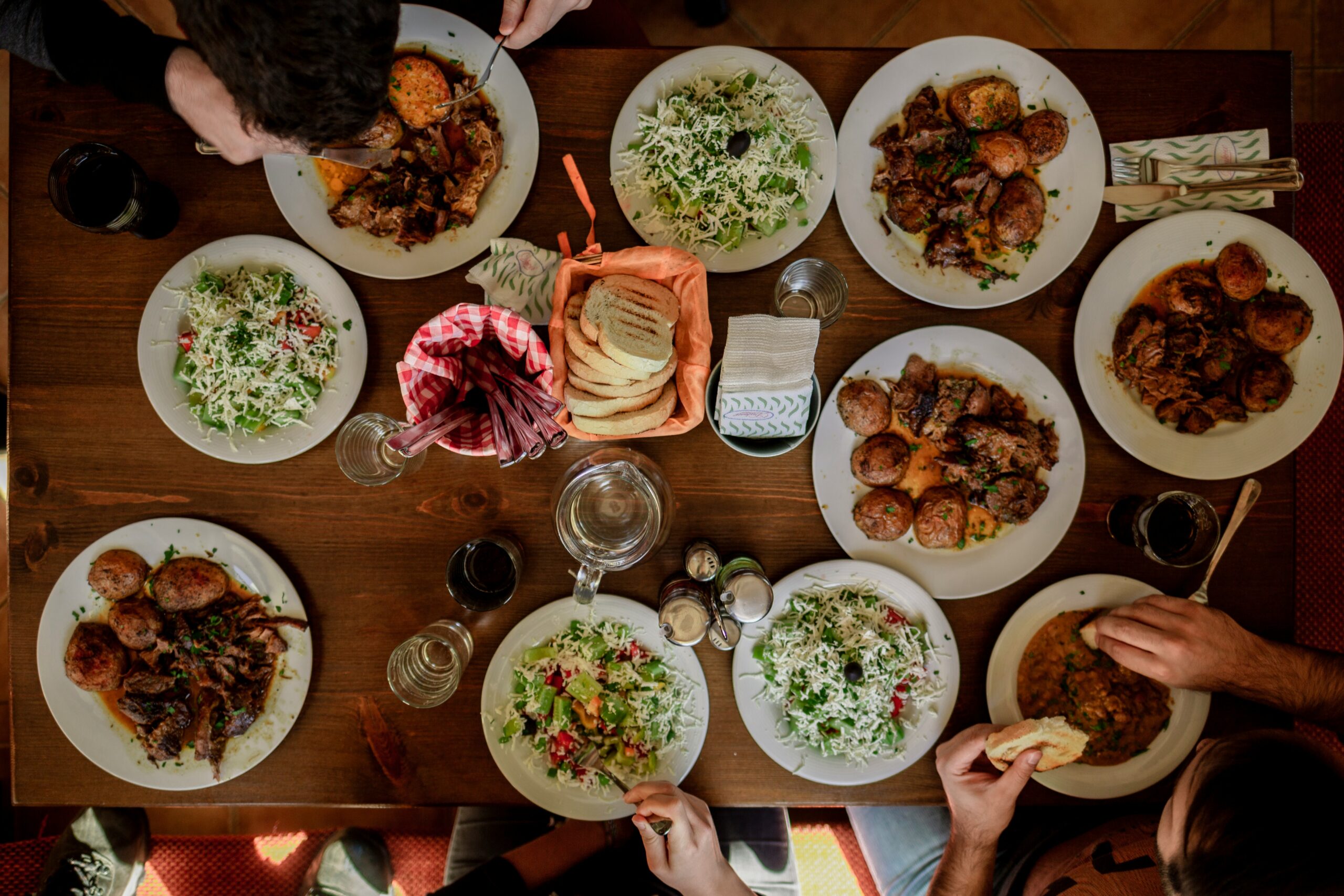
Some of the most meaningful journeys through food happen not in restaurants or foreign countries, but in someone’s kitchen watching a family recipe you can never quite get right. My aunt makes a lamb stew. My aunt makes a lamb stew that I have been trying to recreate for fifteen years. I have her recipe, written in her handwriting on a torn piece of notebook paper. I’ve made it probably thirty times. It never tastes the same.
She laughs every time I bring it up. “You’re using the wrong onions,” she told me once. Another time it was “you’re rushing the fat.” Last visit she watched me cook it start to finish, pointed at the pot, and said simply “you’re stirring too much.” I still don’t fully believe that’s it. But the stew she makes and the stew I make are genuinely different things, and after fifteen years I’ve started to accept that the gap might not be entirely about technique.
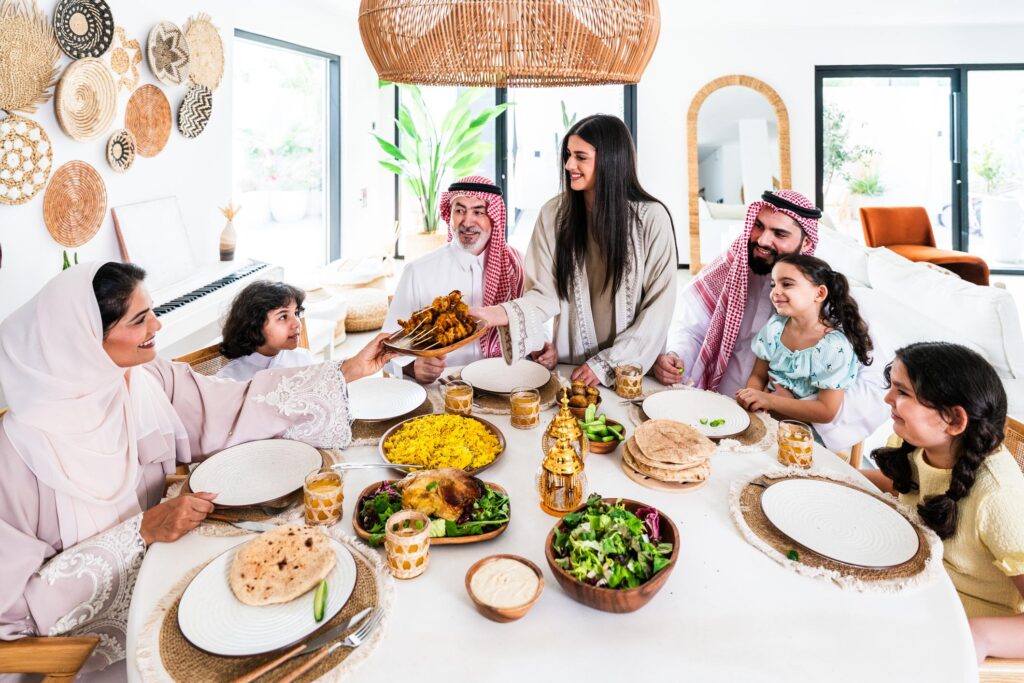
Some of it is probably that she learned from her mother in a kitchen in a different country, on a different stove, for people she’s known her whole life. Food carries all of that, whether you’re conscious of it or not. And that realization, slow as it was, turned me from someone who cooked to survive into someone who cooks to understand.
“Why Food and Culture Are Inseparable”
You can read about a place, watch documentaries, follow Instagram accounts. But eating its food, especially food made by someone from that place who cares about it, tells you something those things can’t quite reach.
Flavor memory is one of the oldest kinds of memory. The smell of a particular spice can bring back a decade old moment more precisely than a photograph. Food encodes history, migration, trade, poverty, celebration, and grief all at once. A single dish can tell you what ingredients were available, what was preserved out of necessity, what was borrowed from a neighboring culture, and what was stubbornly kept despite everything.
I didn’t understand any of this as a kid. I just knew which foods I liked. It took actually cooking them, asking where they came from, and eventually visiting some of the places they originated to understand that I’d been eating stories my whole life without knowing how to read them.
My Biggest Mistake: Treating Recipes Like Instructions Rather Than Conversations
For years I approached cooking from other cultures the same way I approached assembling furniture. Follow the steps, get the result. If something didn’t work out, I assumed I’d made a technical error and tried to fix it technically.
This approach produces competent food. It doesn’t produce food with any life in it.
The shift came when I started asking different questions. Not just “what goes in this” but “why does this go in this?” Not just “how long does it cook” but “what were people eating this with, and when?” Not just “where did this recipe come from” but “what was happening to the people who made it?”
Those questions led me to conversations I never would have had otherwise. A colleague from West Africa walked me through the logic of jollof rice in a way that made me understand it was never just a rice dish. A neighbor from South Korea spent an afternoon explaining how kimchi was about survival first and flavor second, how the fermentation process existed because refrigeration didn’t, and how every family’s version carries the specific fingerprint of whoever taught whoever taught whoever is making it now.
That’s not information you get from a recipe card. You get it from people, and only if you’re curious enough to ask.
“How to Explore Family Food Traditions Across Cultures”
Here’s the approach that has genuinely deepened both my cooking and my understanding of the cultures behind it.
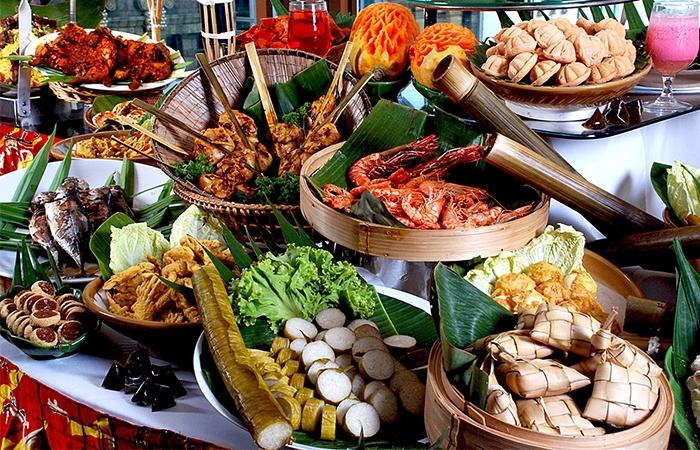
1. Start with one dish and go deep rather than wide
The temptation is to cook broadly across many cuisines, trying everything once. But understanding comes from going deep on one thing. Spend a month cooking the same dish from a culture you’re curious about, adjusting, researching its history, talking to people who grew up eating it. That kind of depth teaches you more than sampling twenty different dishes ever will.
2. Seek out recipes from people, not just websites
There’s nothing wrong with a food blog recipe, but the ones worth seeking out are in cookbooks written by people who grew up with the food, or better yet, from actual conversations. If you have colleagues, neighbors, or friends from a culture whose food interests you, asking them how their family makes something specific is almost always welcome, and almost always produces information you can’t find online.
3. Eat the food in its proper context first if you can
Before cooking something yourself, try to eat a version made by someone for whom it’s genuinely theirs. A restaurant run by a family from that culture, a community gathering, a meal at someone’s home. Tasting food in its intended context gives you a reference point that’s hard to build from reading alone.
4. Learn a few words of food vocabulary in other languages
Real Examples That Genuinely Changed How I Cook and Think
Food words often don’t translate cleanly, and the untranslatable ones are usually the most interesting. The Portuguese concept of saudade shows up in their cooking in ways that are hard to explain in English. The Japanese idea of umami existed long before the English word for it. Learning what people call things in their own language often points you toward meaning that translation flattens out.
5. Cook with someone, not just alongside a recipe
If you ever have the chance to cook a dish with someone who grew up making it, take it. Watch what they do without measuring. Notice when they stop and taste. Notice what they adjust and when. The muscle memory of someone who learned a dish by watching their parents make it contains information that has never been written down anywhere.
6. Document what you learn in your own words
Not just the recipe, but what you found out about it. Where it comes from, what it meant to the person who shared it with you, what surprised you, what didn’t work the first time and why. I keep a folder of these notes alongside recipes, and going back through them is often more interesting than the recipes themselves.
7. Travel specifically around food when you can
Not food tourism in the Instagram sense, but genuine curiosity-driven eating. Choosing a destination partly because of what you want to understand about its food culture. Eating at markets and small family restaurants rather than only places recommended to visitors. Asking questions about what you’re eating rather than just photographing it.
Mole in Oaxaca, Mexico
Eating in Oaxaca, Mexico, changed how I understood mole. I’d made mole at home from a shortcut paste, and I thought I understood it. Then I watched a woman in a market spend most of a morning on a single mole negro, managing a process involving dried chiles, charred vegetables, toasted spices, chocolate, and animal fat in a sequence that had clear internal logic once you understood it, but looked impenetrable from the outside. That dish took more than two hours. The version I’d been making took fifteen minutes. They shared a name and almost nothing else.Real Examples That Genuinely Changed How I Cook and Think
Making Injera With a Friend
A trip to Japan, where I specifically spent time in izakayas and smaller regional restaurants rather than famous destinations, taught me that Japanese food culture is not a single thing at all. What they eat in Hokkaido and what they eat in Osaka and what they eat in Okinawa are as different as what people eat in different countries, not just different regions.
My Aunt’s Lamb Stew, Thirty Attempts Later
The thirty attempts at my aunt’s lamb stew taught me that some food isn’t meant to be perfectly replicated. It’s meant to be inherited. The point isn’t to make exactly her version. The point is to make my version, which carries some of what she taught me, and which my own family will eventually know as just the way this stew tastes.
“Common Mistakes When Learning About Food and Culture”
Treating authenticity as the goal rather than understanding is a common one. Food evolves constantly, moves across borders, adapts to available ingredients, absorbs influence. Chasing a fixed, “authentic” version of any dish is often chasing something that doesn’t quite exist in the way the concept implies.
Substituting freely without understanding what you’re substituting for is another trap. Sometimes an ingredient substitution works fine. Other times you’re accidentally removing the chemical or cultural function of something central to the dish. Understanding why an ingredient is there makes the substitution decision much more informed.
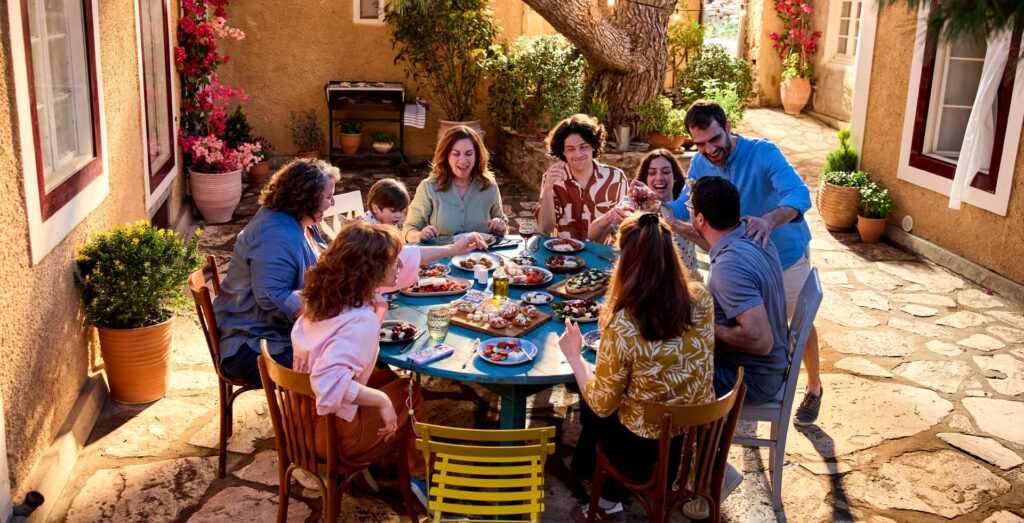
Treating food from unfamiliar cultures as exotic rather than simply different is a mindset worth examining. Every cuisine seems exotic to someone from somewhere else. Approaching unfamiliar food with genuine curiosity rather than spectacle makes a real difference in what you take away from the experience.
Skipping the history and going straight to the cooking misses half the meaning. Knowing that a dish developed during a period of famine, or that it was the food of a specific social class, or that it spread through a particular trade route, changes how you cook and eat it. Context isn’t a detour. It’s part of the recipe.
Cooking once and forming permanent opinions is probably the most limiting habit. First attempts at unfamiliar food often don’t reflect what that food can be. Most dishes reward repeated exposure, repeated cooking, and increasingly informed tasting.
Practical Tools That Actually Help
A few things I come back to regularly. The cookbook shelves of writers like Claudia Roden, Yotam Ottolenghi, and Diana Henry for recipes that consistently include cultural and historical context alongside technique. The Milk Street Radio podcast for conversations about how food travels and changes across cultures. Google Translate’s camera feature for navigating menus and market labels when traveling somewhere with a different script. A simple paper notebook for recording observations and variations as I cook, since the notes I make in the moment are almost always more useful than what I remember afterward. And local international grocery stores, which are often the best research tool available, since the ingredients on the shelves tell you a lot about who cooks what in your own city.
Final Thoughts
Food has taught me more about other cultures than almost any other entry point I’ve tried, because it’s simultaneously personal and universal.”Every culture feeds itself. Families have dishes that carry memory across generations. And every cuisine, when you dig into it, has a history worth understanding.”
My aunt’s lamb stew is still not quite right when I make it. Probably it never will be, and I’ve made my peace with that. But the fifteen years of trying have put me in her kitchen more times than almost anything else, listening to stories about where she grew up, what her mother cooked, what things tasted like before she moved countries.
The stew was never really just about the stew. It was about the conversations you have while you’re making it, the people you’re making it for, and the long, slow accumulation of understanding that comes from caring enough to keep trying.
That’s what food does, if you let it take you somewhere.