

My cousin’s wedding had a live band, a five course dinner, custom centerpieces, and a photo booth with props. It cost more than most people spend on a car. I remember almost none of it.
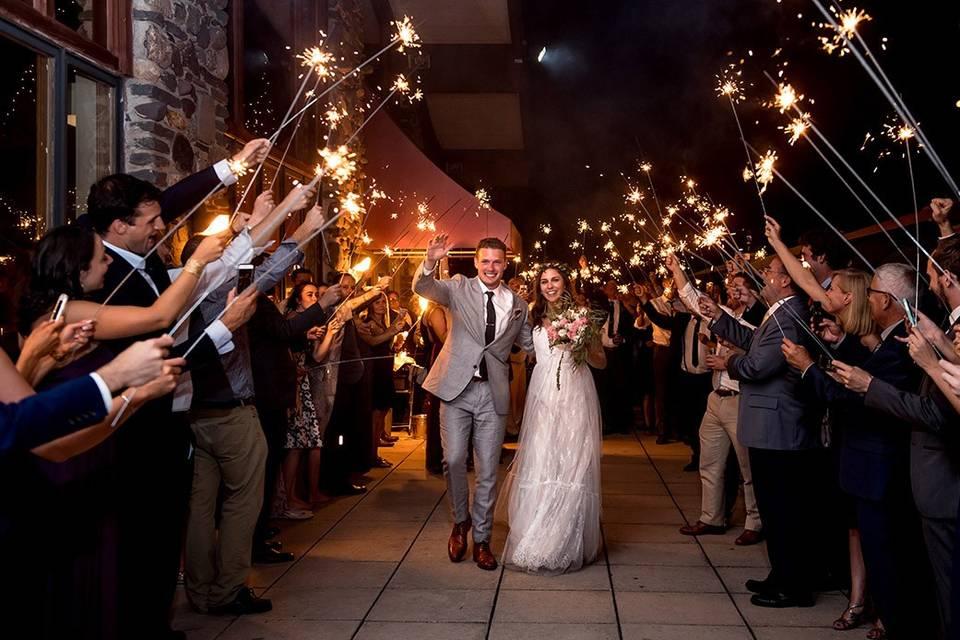
What I do remember is that her new husband forgot the words to his vows halfway through, laughed at himself, and then said something completely unscripted that made half the room cry. I remember a tiny elderly relative dancing alone in the middle of the floor long after everyone else had sat down. I remember standing outside with a group of people I’d just met that night, all of us talking until the venue lights started flickering to tell us to leave.
None of those moments were planned. Not a single one was on the timeline the wedding coordinator had printed out. And they’re the only parts of that day I could describe in detail right now, ten years later.
That gap, between what gets planned and what gets remembered, is something I’ve been thinking about for a long time. Because I’ve been to a lot of celebrations since then, and thrown a few myself, and the pattern holds almost every time.
What Makes a Celebration Actually Stick in Memory
Before getting into the practical side, it helps to understand why some celebrations stay vivid for decades while others fade within months.
Memory researchers have found that emotional intensity is one of the biggest factors in what we retain long term. Not the scale of an event, not how much it cost, not how perfectly it was coordinated. The moments we remember are the ones that made us feel something unexpected, something genuine, something that didn’t follow the script.
This is why a surprise toast from someone who never speaks publicly tends to outlast the professional DJ’s setlist. Why the moment the birthday cake got dropped is often retold more fondly than any planned part of the evening. Why the spontaneous dance circle in the parking lot after the formal event ends sometimes becomes the story everyone tells for years.
Understanding this changes how you approach planning a celebration. The goal stops being perfection and starts being emotional richness.
My Biggest Mistake: Planning Every Minute and Missing the Whole Thing
A few years ago I threw a significant birthday party for someone I cared about. I spent weeks on it. Custom invitations, a carefully curated playlist, a catered spread, decorations in a specific color palette, a rough timeline for the evening. I was genuinely proud of how organized everything was.
What I didn’t plan for was being present in any of it.
I spent the first hour checking that the food was at the right temperature. The second hour making sure the music transitioned correctly. The third hour running logistics in my head while people around me actually enjoyed themselves.
At the end of the night, someone said to me “it was such a great party, you must have had the best time.” And I realized I hadn’t really been there at all. I’d produced an event rather than shared an experience.
The party was remembered warmly by the guests. But the person it was for told me later that what she remembered most was a conversation we’d had in the kitchen at midnight while I was finally cleaning up and everyone else had gone home. Unplanned, undecorated, just the two of us talking. That was what stuck.
Step by Step: How to Plan Celebrations That Actually Get Remembered
Here’s what I’ve learned works, pulled from years of attending, throwing, and occasionally getting wrong.

1. Decide what feeling you want people to leave with
Before booking anything, buying anything, or inviting anyone, ask one question: how do you want people to feel when they walk out? Warm and connected? Surprised and delighted? Moved and grateful? The answer to that question should drive every other decision. It’s a much better compass than a theme or a color scheme.
2. Build in at least one unscripted moment
This sounds counterintuitive when you’re planning, but it works. Leave space in the evening for something unplanned. An open mic segment where anyone can share a memory. A question passed around the table that nobody prepared for. A moment where the guest of honor is given time to just speak freely. Unscripted moments are where the emotional intensity lives, and emotional intensity is what memory holds onto.
3. Prioritize depth of connection over number of guests
Smaller gatherings almost always produce more memorable moments than large ones. Not because large parties can’t be great, but because meaningful connection requires some level of intimacy, and intimacy is hard to manufacture at scale. If the choice is between fifty people who loosely know the guest of honor and twenty people who genuinely love them, the twenty will produce a better night.
4. Give people a reason to interact with each other
One of the biggest reasons celebrations blur in memory is that guests spend most of the time in the same conversations they’d have anywhere. Build in something that forces new interactions: a shared activity, a question everyone answers, a game that doesn’t require any skill but produces a lot of laughter. The goal is giving people a story to tell each other that only exists because of this specific night.
5. Delegate the logistics so you can actually be present
This was my biggest personal lesson. Hire someone, ask a trusted friend, or assign specific jobs to specific people, so that you can spend the evening as a guest at your own event rather than as its manager. Even delegating just two or three tasks, the door, the music, the food replenishment, frees up enough mental space to actually be present for what’s happening.
6. Do one thing that’s genuinely personal and unexpected
Not a themed decoration. Not a customized hashtag. Something that could only exist at this specific celebration for this specific person. A video of messages from people who couldn’t attend. A handwritten note at every seat. A moment where you share something honest and specific about the person being celebrated that they didn’t know you were going to say. Personal and unexpected is the combination that tends to produce the moments people are still talking about years later.
7. End at the right time
Celebrations that go on too long tend to dilute their own best moments. Ending while the energy is still good, while people are still genuinely enjoying themselves, leaves the memory intact. The instinct to keep going is understandable, but the parties people remember most fondly often had a natural, well-timed ending rather than a slow, exhausted fade-out.
Real Examples of Celebrations That Stuck
A retirement party I attended had one specific element that made it unforgettable. The organizer had quietly contacted twenty people from the retiree’s career spanning thirty years, many of whom hadn’t seen him in a decade, and asked each one to write a single paragraph about something he’d taught them or done for them. Those paragraphs were read aloud one by one during the evening. The room was completely silent for most of it. That was the whole centerpiece of the event, no fancy venue, no elaborate catering. Just carefully gathered words from people who meant it.

A birthday celebration I know of that cost almost nothing became legendary in the friend group. The host asked everyone coming to bring a photo of a shared memory with the birthday person, printed out, with a note on the back. They were collected at the door and displayed on a string across the living room. By the end of the night, the birthday person was standing in front of that string for an hour, reading notes, laughing, crying a little. That string of photos is still up in her apartment years later.
One of the most genuinely memorable New Year’s Eve gatherings I’ve been to had a specific tradition: at midnight, everyone wrote one thing they wanted to leave behind from the past year and one thing they were carrying forward. The notes were collected, the leaving behind ones were burned in the backyard fireplace, and the carrying forward ones were sealed in envelopes to be mailed back to each person six months later. Cost nothing. Produced a room full of people who felt genuinely connected at the end of the night.
Common Mistakes That Make Celebrations Forgettable
Overspending on things guests don’t notice is probably the most common. Expensive centerpieces, premium linens, elaborate place settings: these things photograph well and are forgotten almost immediately. The money and energy almost always produces better results when directed toward the experience rather than the aesthetics.
Trying to please everyone and ending up with nothing distinctive is another one. A celebration designed to offend nobody tends to move nobody either. The specific, the personal, and the occasionally imperfect are what produce real emotional responses.
Leaving no room for the unexpected is the planning trap. A schedule so tight that any spontaneous moment feels like an interruption will strangle the exact kind of thing that gets remembered. Padding the timeline with unscheduled breathing room is one of the most useful things you can do.
Forgetting to make the guest of honor feel genuinely seen rather than just celebrated is an easy one to miss. There’s a difference between a party thrown in someone’s honor and a party that makes that person feel truly known and loved. The second one requires specificity and attention. The first one just requires a venue and a cake.
Practical Tools That Help
A few things worth knowing about. Canva for creating simple, personal printed elements like memory cards or table prompts without needing a designer. Google Forms for collecting messages or memories from people ahead of time, especially from those who can’t attend in person. Chatbook or Artifact Uprising for turning collected photos into a printed keepsake that lasts well beyond the event itself. A simple shared iCloud or Google Photos album where guests can drop their own photos from the night, since the candid ones from guests often capture the real moments better than any hired photographer.
Final Thoughts
The celebrations that people remember years later almost never had the biggest budgets or the most elaborate production. They had genuine emotion, personal specificity, and at least one moment that nobody planned but everyone felt.
The wedding I mentioned at the start cost a fortune and produced one remembered moment: a groom who forgot his words and then said something real instead. Everything else that day was professionally executed and largely forgotten.
Plan well enough that nothing falls apart. Then let go of the rest, be present for the people you’re celebrating with, and trust that the moments worth remembering will find their way in on their own.
They almost always do.
Travel Stories You Won’t Find in Guidebooks
The guidebook said the market opened at eight. It didn’t. I stood outside a locked metal gate in a small town in Morocco for forty minutes, watching a cat sleep on a nearby wall, before a shopkeeper across the street took pity on me and waved me over to sit with him. He made tea, showed me photos of his grandchildren on his phone, and eventually walked me through the market himself when it finally opened around nine thirty.

That shopkeeper isn’t in any guidebook. Neither is the tea, the photos, or the actual opening time. The cat probably isn’t either.
That morning became one of my favorite memories from that entire trip, not because anything remarkable happened, but because nothing went according to plan and something better showed up instead. That’s a pattern I’ve noticed across years of travel. The stories worth telling later almost never came from the itinerary.
Why Guidebooks Only Get You Partway There
Guidebooks are useful. I still use them, and I’m not here to argue otherwise. They’re good at telling you what exists, how to get there, and roughly what to expect. What they can’t do is tell you what the place feels like right now, who you’ll meet on a Tuesday afternoon in the off season, or what happens when you take a wrong turn on the way to somewhere else.
By the time a place appears in a guidebook, it’s been filtered through layers of editing, publishing timelines, and the particular perspective of whoever wrote it. Some of that information is years old before it even reaches you. And the discoveries that make travel genuinely memorable, the ones that become stories, are almost by definition the ones nobody thought to write down.
The most interesting travel experiences I’ve had came from paying attention differently. Not just following a list, but noticing what’s actually in front of me and being willing to follow it.
My Biggest Mistake: Treating Travel Like a Checklist
For the first several years I traveled seriously, I approached every trip like a project with deliverables. Attractions to visit, restaurants to try, photos to take at specific spots. I had tabs open, plans confirmed, and efficient routes mapped.
I saw a lot of things. I understood very little of what I saw.
The turning point came on a trip to Vietnam when I spent three days in Hanoi following a very organized plan and came away with a collection of photos and almost no real memories. Then on day four I got genuinely lost in the Old Quarter trying to find a specific coffee shop, gave up after an hour, and ended up sitting at a tiny plastic stool on a sidewalk eating a bowl of bun cha that a woman was cooking in a wok balanced on two bricks outside her front door.
I don’t remember a single thing I saw on the first three organized days. I remember every detail of that sidewalk, that bowl, and the conversation I had using gestures and Google Translate with the woman who made it.
That was the trip that broke the checklist habit.
Step by Step: How to Find the Stories Nobody Writes Down
Here’s what I actually do now, built up over years of getting this wrong first.

1. Build in time with no plan at all
Every trip I take now has at least one full day, sometimes two, with nothing scheduled. No reservations, no must-see list, nowhere to be. Just a neighborhood to wander and permission to follow whatever seems interesting. This is where most of the real stories come from. Unscheduled time isn’t wasted time. It’s the space where things can actually happen.
2. Eat where locals eat, not where tourists are directed
This sounds obvious but the execution matters. I look for places with handwritten menus, plastic chairs, no photos on the menu, and nobody speaking English to each other at the tables. I use Google Maps reviews filtered to the local language when I can, which often surfaces places that never appear in English language travel content at all. A restaurant that doesn’t need tourists to stay in business is almost always more interesting than one that does.
3. Use public transportation whenever possible
Buses and local trains put you in contact with the actual texture of a place in a way that taxis and ride shares don’t. I’ve had more genuine encounters on a slow regional train in Italy, a packed bus in Peru, and a ferry in the Greek islands than in almost any other travel context. You sit next to people, things happen, conversations start. It’s slow and sometimes confusing and worth every minute.
4. Ask one good question instead of taking one more photo
When I meet someone interesting, a guesthouse owner, a market vendor, someone sitting near me at a cafe, I’ve started asking one real question rather than reaching for my camera. “What’s the best thing about living here?” or “What do people who visit always miss?” or simply “What would you do today if you had the day off?” The answers are often surprising and almost always more interesting than whatever’s in the guidebook.
5. Follow the thing you didn’t expect to find interesting
I once spent three hours in a small textile museum in a town I was only passing through because a sign caught my eye and I went in on a whim. I’d never been particularly interested in textiles. I came out with a completely different understanding of the region’s history, a conversation with the curator that turned into a lunch invitation, and a piece of fabric I bought from her that’s still hanging in my apartment. None of that was on any list.
6. Stay somewhere that puts you in contact with people
Big chain hotels are comfortable and anonymous. Guesthouses, locally run small hotels, and places where the owner is also the breakfast cook are where you end up in conversations that change your day. I use Booking.com filtered to smaller properties, or sometimes just walk a neighborhood looking for places with hand-painted signs. The slightly less polished option is almost always the more interesting one.
7. Write things down the same day
Not a travel blog. Not Instagram captions. Just a few sentences in your notes app or a small notebook about what actually happened, who you met, what something tasted like, what surprised you. I’ve gone back through travel notes from years ago and found details I’d completely forgotten that are far more alive than any photo from the same trip. Memory fades fast. The details that make a story worth telling are the first things to go.
Real Stories That Never Made Any Guidebook
A wrong bus in rural Portugal dropped me at a village that wasn’t my destination, with two hours until the next connection. I wandered into a bakery, attempted to order using my extremely limited Portuguese, and ended up being corrected kindly but thoroughly by the woman behind the counter. She made me try four different pastries while explaining the names. I missed the next bus deliberately.
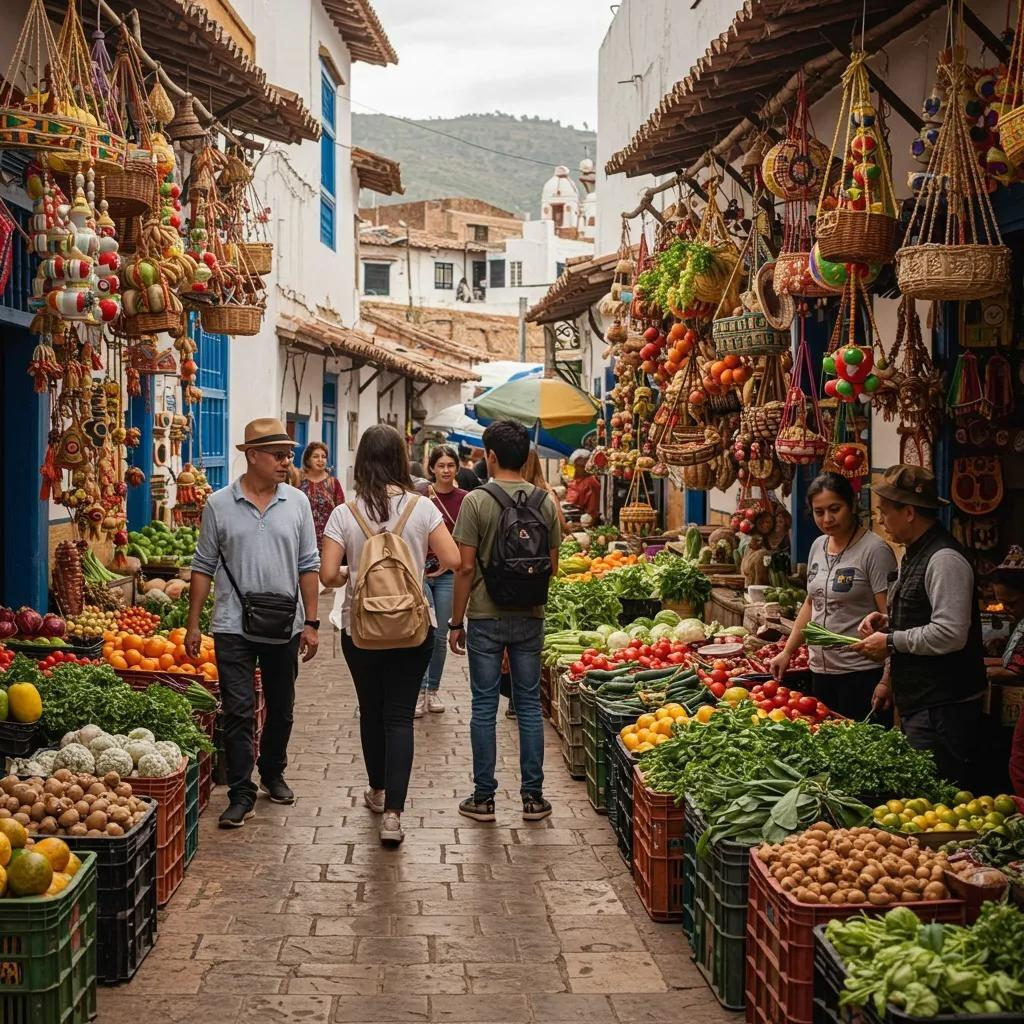
In Japan, I asked a vending machine repair technician for directions using a translation app, and he ended up walking me twenty minutes out of his way to make sure I found where I was going. On the walk he told me, through the app, that he’d never spoken to a foreign tourist directly before despite living near a major tourist area his whole life. That conversation is one of my clearest memories from a country I’ve visited three times.
In Colombia, I ended up at a neighborhood party that was happening on the street outside my guesthouse, invited in by the family who lived next door simply because I was standing on the steps watching the music. I stayed for four hours, ate food I couldn’t identify, danced badly, and understood almost nothing anyone said. It remains one of the warmest evenings I’ve ever spent anywhere.
None of these were planned. All of them required being willing to be a little lost, a little slow, and a little uncertain.
Common Mistakes That Keep Travel Stories Surface Level
Over-planning every hour is the biggest one. When there’s no gap in the schedule, there’s no room for anything unscripted to happen. The itinerary becomes a wall between you and the place you’re visiting.
Staying only in tourist areas is another. Most major cities have entire neighborhoods where tourists rarely go, where the restaurants are cheaper, the streets are quieter, and the interactions are more genuine. Getting one metro stop past the tourist zone is sometimes all it takes.
Traveling at the speed of highlights is a trap I fell into for years. Moving quickly between well-known spots means you’re always arriving and leaving, never actually settling into a place long enough for it to reveal anything. Spending three nights in one smaller place is often more interesting than one night each in three famous ones.
Keeping the camera between yourself and the experience is something most of us do reflexively now. Some of the best moments I’ve had traveling happened in places where I didn’t take a single photo, either because I was too in the middle of it or because pulling out a camera would have broken something. Those memories are often the sharpest ones.
Assuming the language barrier is a wall rather than an interesting problem to solve holds a lot of travelers back from real connection. Google Translate, hand gestures, a willingness to look confused and keep trying, these get you surprisingly far. Most people appreciate the effort even when the communication is clumsy.
Tools That Actually Help Find the Unexpected
A few things I rely on. Google Maps with reviews filtered to the local language for finding places that don’t market to tourists. Maps.me downloaded offline so I can wander without data and still find my way back. Rome2Rio for figuring out slow, local transportation options between places. The Notes app on my phone for quick observations throughout the day before they disappear. And honestly, just asking the person at wherever I’m staying what they’d recommend to a friend visiting, not a tourist, but a friend. That question almost always produces better suggestions than any app.
Final Thoughts
The best travel stories I have are ones where something went slightly wrong, or slightly sideways, or simply different from what I expected. The locked market gate. The wrong bus. The street party I wasn’t invited to and then was. The textile museum I almost walked past.
Guidebooks will keep getting better at telling you what’s there. They’ll never be able to tell you what happens to you specifically, on a specific day, when you slow down enough to let a place show you something it doesn’t show everyone.
That part is still entirely up to you.