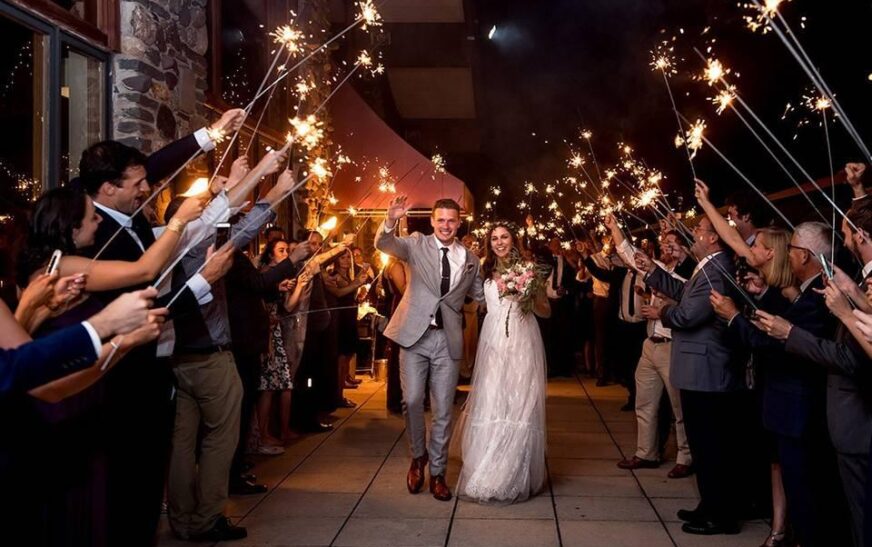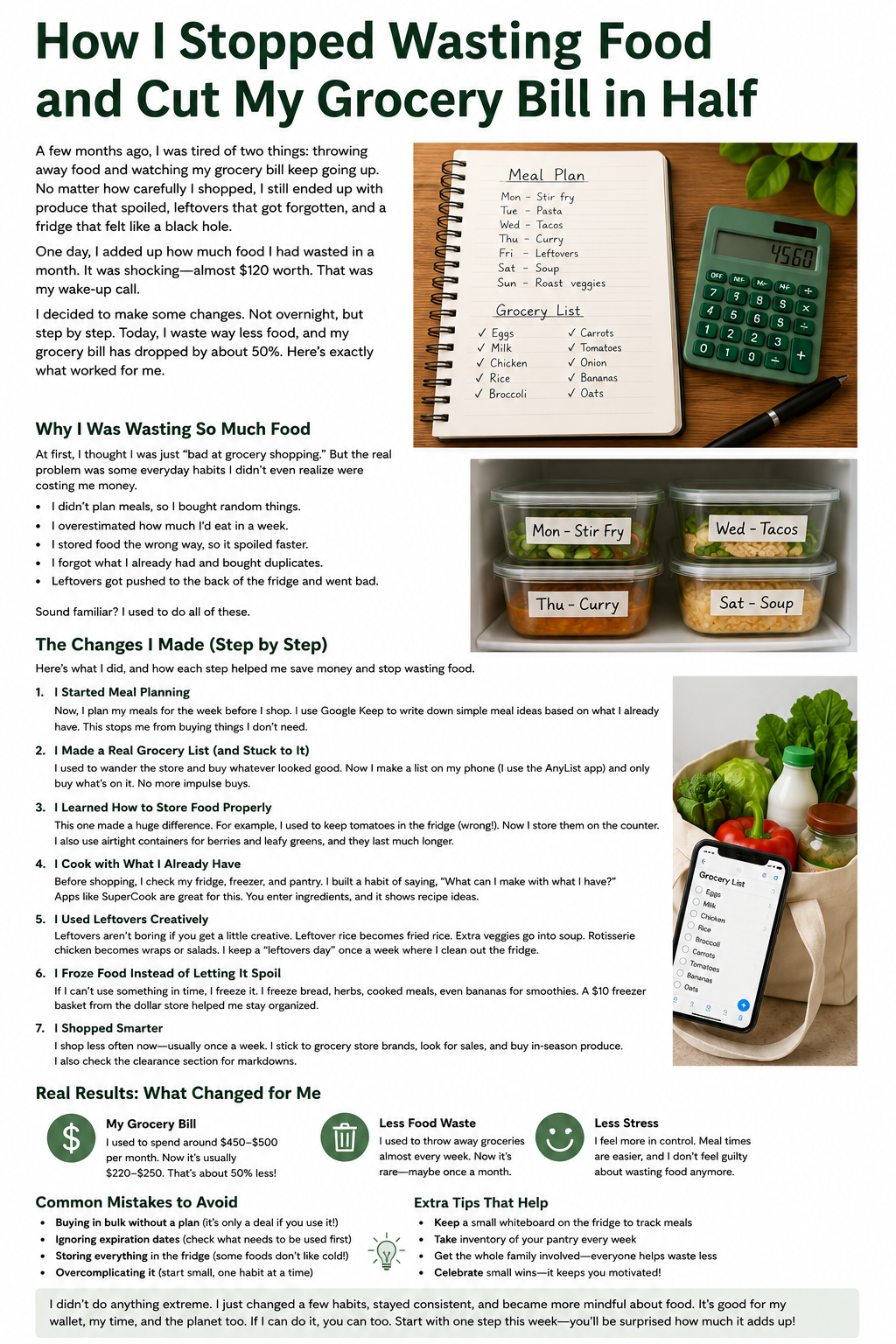


The most extravagant wedding I’ve ever attended is not the one I remember most fondly. That honor belongs to my cousin’s, which included a live band, five courses, and custom centerpieces with a photo booth. The whole thing cost more than most people would pay for a car, and yet I can recall almost none of it.

What I do remember is her new spouse forgetting his vows halfway through, laughing at himself, then saying something entirely unprepared that put half the room in tears. My great-grandmother was dancing alone and was the last to sit down long after everyone else had. And there was the moment I found myself standing outside with a group of people I had only just met that night, all of us talking and laughing until the venue lights started flickering to tell us it was time to leave.
None of those moments were planned. None of them appeared on the timeline the wedding coordinator had printed. And they are the only details I could describe clearly, ten years later.
I have been thinking about that gap between what we plan and what we actually remember for a long time. I have attended many celebrations since then, and hosted a few of my own, and the pattern holds almost every time.
What Makes a Celebration Memorable
Before getting into the practical side of things, it helps to understand why certain celebrations stick with us for twenty or thirty years while others fade within months.
Memory researchers have found that emotional intensity is one of the strongest predictors of what we hold onto long-term. Not the scale of an event, not what it cost, not how smoothly it ran. You remember the moments that made you feel something genuine, something unscripted and real.
A surprise toast from someone who never speaks publicly tends to outlast any professional DJ’s set list. The moment someone drops the birthday cake may be recounted more warmly than any planned part of the evening. The impromptu dance circle in the parking lot after the formal part of a wedding wraps up becomes the story everyone tells for years.
Knowing this changes how you should think about planning. The goal stops being perfection and becomes emotional richness instead.
My Biggest Mistake: Scheduling Every Second
A couple of years ago I hosted a large birthday party for someone I care about deeply. I spent weeks on it. Personalized invitations, a carefully curated playlist, catered food, color-coordinated decorations. I was proud of how organized it all looked.
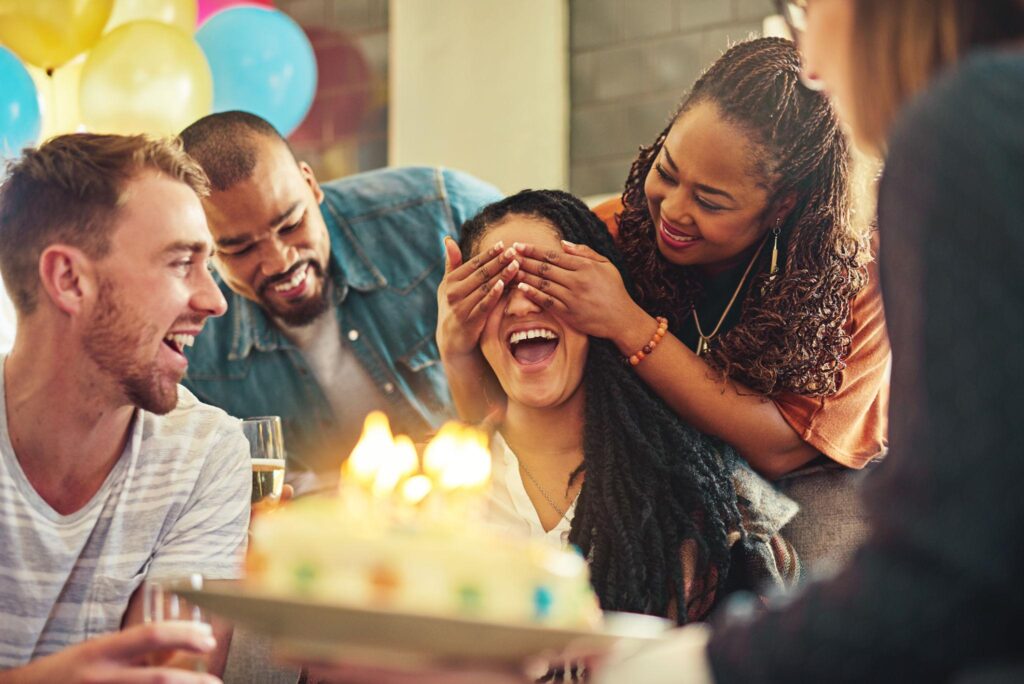
What I had not anticipated was that organizing it would take me completely out of the experience.
The first hour I spent checking that the food was at the right temperature. The second hour I spent making sure the music was flowing properly. The third hour I was mentally running through logistics while the people around me were actually enjoying themselves.
Later that night, someone asked me if I had a great time at my own party. I stopped and realized I had not really been present at all. I had produced an event rather than lived through one.
The guests remembered it fondly. The person the party was for told me later that what she would always remember, more than anything else, was a conversation we had in the kitchen at midnight while I was cleaning up and everyone else had gone home. Nothing organized. No occasion. Just the two of us talking. That was what stayed with her.
How to Plan Celebrations That Actually Stick
Here are the things that have worked for me across many years of attending, throwing, and occasionally getting wrong.
Start with the feeling, not the details. Before you book anything, before you spend money on anything, ask one question: how do you want people to feel as they walk out? Warm and connected? Surprised and moved? Grateful? That answer should guide every other decision. It is a far better compass than a color scheme or a decoration theme.
Leave space for something unplanned. This sounds counterintuitive when you are in planning mode, but it works. Build in a pocket of time that has no agenda. An open mic where anyone can share a memory. A question passed around the table that no one was warned about. Time for the guest of honor to simply speak. This is where emotional intensity tends to live.
Smaller is almost always better. Small gatherings create stronger memories than large ones, not because big parties cannot be wonderful, but because genuine connection requires some degree of intimacy, and intimacy is hard to manufacture at scale. Fifty people who sort of know the guest of honor will produce a weaker evening than twenty people who genuinely love them.
Give people a reason to interact. One of the main reasons celebrations blur together in memory is that guests spend the whole time having conversations they could have had anywhere. Create something that requires new interaction: a shared activity, a game that does not require any skill but generates a lot of laughter, a prompt everyone has to answer. Give people something specific to this night, something that could not have existed anywhere else.
The Details That Make the Biggest Difference
Delegate so you can actually show up. This was the most important lesson I learned. Assign someone to manage the door. Give someone else responsibility for the music. Let a trusted friend handle food replenishment. Even delegating a couple of those tasks frees up enough mental space for you to be a guest at your own event rather than its manager.

Do one personal, unexpected thing. Not a themed decoration. Not a custom hashtag. Something that could only exist at this celebration, for this specific person. A video message from people who could not attend. A handwritten note on every seat. A moment where you say something honest and specific about the person, something they did not know was coming. The combination of personal and unexpected is what produces the moments people talk about years later.
End at the right time. Celebrations that run too long tend to dilute their best moments. If people are genuinely having a good time, a clean ending leaves a stronger impression than letting things fizzle out. The parties people miss most are often the ones that ended naturally, not the ones that dragged on until everyone was exhausted.
Real Examples of Celebrations That Lasted
I attended a retirement party recently that had one remarkable element. The organizer had quietly contacted twenty people from the retiree’s thirty-year career, many of whom had not seen him in over a decade, and asked each of them to write one paragraph about something he had taught them or done for them. Those paragraphs were read aloud throughout the evening. The room was nearly silent for much of it. There was no expensive venue and no elaborate catering. Just words from people who meant them.
A birthday I know about, done on almost no budget, became legendary in our friend group. The host asked every guest to bring a printed photo of themselves with the birthday girl and write something on the back. The photos were collected at the door and strung up across the room on a thin line of twine. By the end of the night, the guest of honor stood in front of that string for over an hour, reading each note, laughing at some and crying at others. Years later, that string of photos still hangs in her apartment.
One of the most genuine New Year’s Eve parties I have ever been to ended with everyone writing two things: what they were carrying into the new year, and what they were leaving behind. The leaving-behind notes were burned in a backyard fire pit. The carrying-forward ones were sealed in envelopes and mailed back to each person six months later. It cost nothing. And it left a room full of people feeling actually connected to one another.
The Most Common Mistakes
Spending heavily on things guests do not notice is probably the single most common error. Elaborate centerpieces, designer linens, and intricate place settings look beautiful in photos and disappear from memory almost immediately. That same money and energy, directed at the experience rather than the look, almost always yields more.
Trying to please everyone tends to please no one in any lasting way. A celebration designed to offend nobody moves nobody either. What creates real human responses is specificity, and specificity sometimes means not everything is for everyone.
Leaving no room for the unexpected is a planning trap that catches a lot of people. A schedule so tight that spontaneous moments feel like interruptions will smother exactly the kind of warmth that makes celebrations memorable. Padding your timeline with a little unscheduled breathing room is one of the most useful things you can do.
Treating the guest of honor like a symbol rather than a person is easy to fall into. Generic praise requires only a venue and a cake. Real recognition requires closeness and specificity, and it is the real recognition that people remember.
A Few Practical Tools Worth Knowing
Canva makes it easy to create printed memory cards or table prompts without needing a designer. Google Forms can collect written memories or messages from people who cannot attend in person before the event even starts. Services like Chatbooks or Artifact Uprising can turn photos into a keepsake long after the night is over. A shared iCloud or Google Photos album where guests can upload their own candid shots often captures the actual spirit of a night better than any hired photographer.

Final Thoughts
Celebrations that people remember years later almost never had the biggest budget or the most elaborate production. They were real, deeply personal, and they contained at least one moment that nobody scripted but everyone felt.
The wedding I opened with had a limitless budget and produced exactly one lasting memory: a groom forgetting his vows and then saying something true instead. The rest of that day was essentially a footnote.
So plan well enough that nothing falls apart. Then let go of the rest, be present with the people you are celebrating, and trust that the moments worth remembering will find their way in.
They almost always do.
Meals Made With Memories and Love
There is a lentil soup my grandmother used to make that I have tried to recreate at least thirty times. I have the recipe. I have watched videos. I have called my mother mid-cook to ask about quantities. And every single time, it comes out tasting almost right. Close, but not quite. Like a song you remember but cannot fully hear anymore.
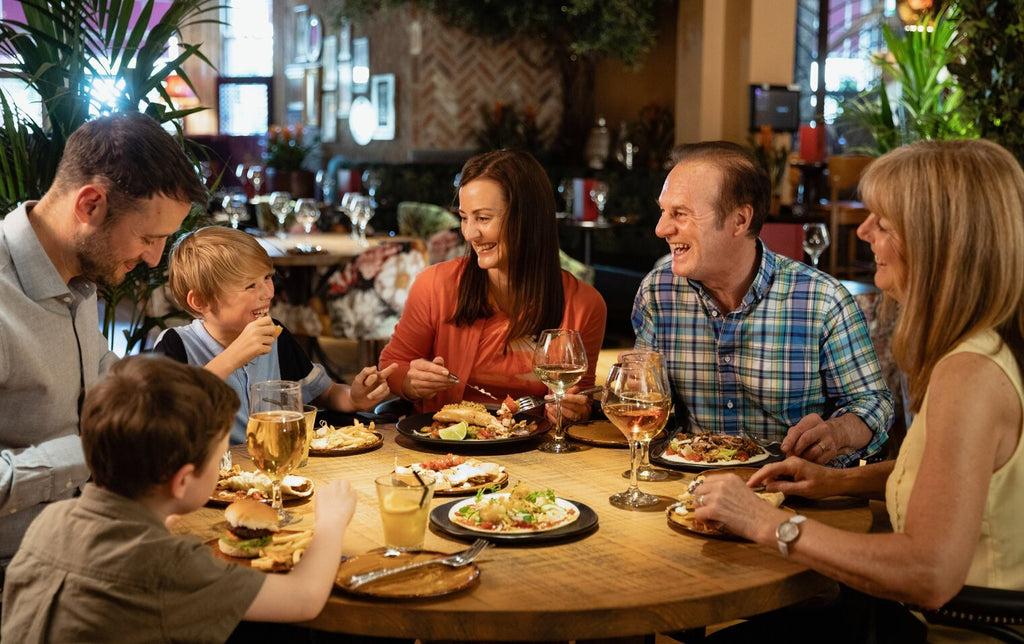
That gap between almost and exactly is where I started understanding that food is never just food.
Some meals carry weight. Not in calories, but in everything surrounding them. The smell of a specific spice takes you back to a kitchen you have not stood in for twenty years. A particular texture reminds you of someone who is no longer here. You bite into something and for a moment you are seven years old again and everything is fine.
This is not nostalgia in the sentimental, greeting-card sense. It is something more physical than that. Memory is stored in the body, and food is one of the few things that can reliably unlock it.
Why Food Holds Memory Better Than Almost Anything Else
Smell and taste are processed differently in the brain than sight or sound. They connect directly to the hippocampus and the amygdala, the parts of the brain responsible for memory and emotion. This is why a single whiff of something can drop you into a specific moment from decades ago with a clarity that a photograph simply cannot match.
Neuroscientists have written extensively about what is sometimes called involuntary autobiographical memory, the experience Marcel Proust famously described when a madeleine dipped in tea transported him back to his childhood. It is a real and well-documented phenomenon. But you do not need a science background to understand it. You just need to have eaten something your mother made and felt it somewhere deeper than your stomach.
The meals that carry the most memory are almost never the fancy ones. They are the Tuesday night dinners. The birthday cake with uneven frosting. The scrambled eggs someone made for you when you were sick. The specific way one person seasoned things that nobody else does quite the same way.
The Recipes That Are Never Written Down
One of the things that took me the longest to realize is how many important recipes exist only in someone’s hands.
My grandmother did not measure anything. She cooked the way people who have made the same dish five hundred times cook, by instinct, by feel, by the look of the pot. When I asked her to write down her lentil soup recipe, she looked at me like I had asked her to write down how to breathe. She added a handful of this. She cooked it until it smelled right. She adjusted with her eyes.
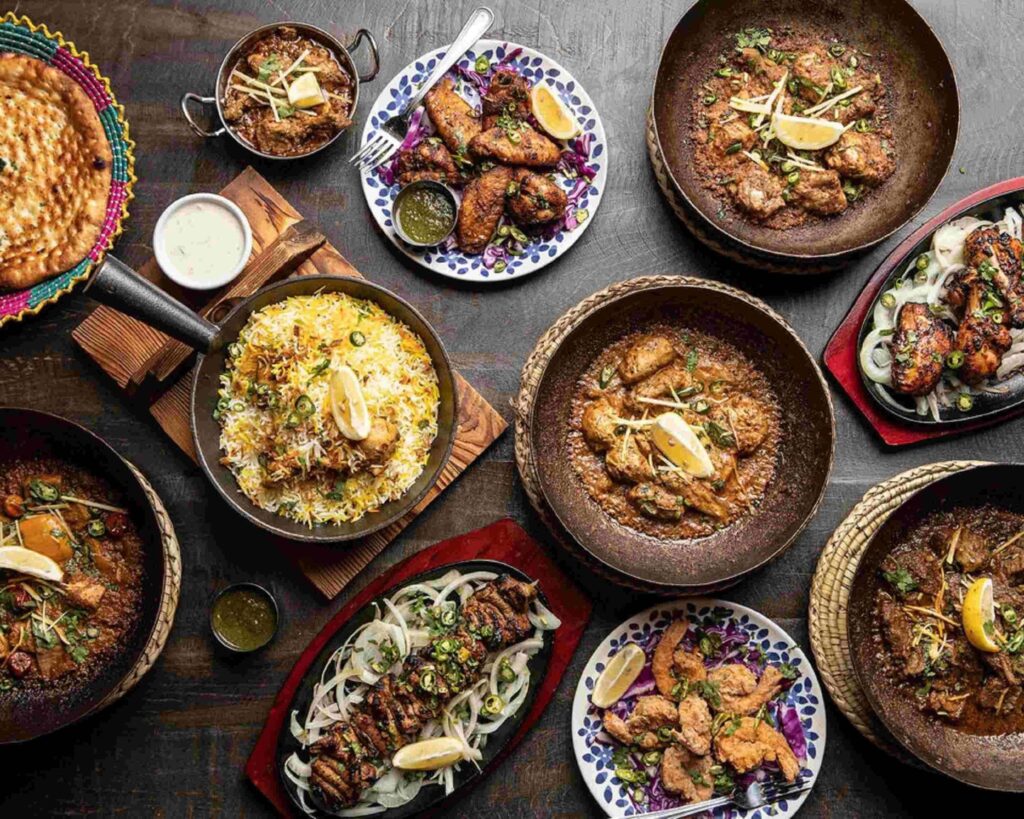
That kind of cooking cannot be easily transcribed, and when the person who holds it is gone, something goes with them.
I learned this the hard way. After she passed, I realized I had waited too long. I had assumed there would be more time to sit beside her in that kitchen and absorb what she knew. There was not.
If you have someone in your life who cooks this way, sit with them. Watch. Ask questions. Record them on your phone if they will let you. Not to post anywhere, just to keep. The sound of someone describing how they make something, in their own voice, is worth more than any written recipe.
How to Start Capturing Food Memories Before They Disappear
You do not need anything complicated to do this. Here is what has worked for me and for people I know who have been through the same thing.
Sit down with the cook, not just for the meal but for the making of it. The most important information is in the process, not the ingredients list. Watch what they do before they add anything to the pot. Notice what they taste and when. Ask why they do certain things in a certain order.
Write down what you observe in real time. Do not trust your memory to hold quantities or timings accurately. Use a notebook, your phone’s notes app, anything that captures it in the moment. Vague observations like “a generous handful” are completely fine. That is actually useful information.
Film short videos on your phone. Even a two-minute clip of someone making dough or stirring a sauce is incredibly helpful later. You can see the texture they are aiming for. You can hear them explain things in their own words. It captures details that written notes simply cannot.
Ask about the origin of the dish. Where did they learn it? Who made it before them? Has it changed over time? These conversations often bring out details about technique that would never come up otherwise, and they give the recipe a context that makes it feel alive rather than just functional.
Cook it with them at least once before you try it alone. There is a real difference between watching someone make something and making it yourself while they stand beside you and correct you as you go.
The Meals That Tell You Something About a Person
Food is also one of the clearest ways people express love without saying it directly.
A friend of mine had a father who was not a particularly verbal man. He did not talk much about feelings and he was not generous with compliments. But every Sunday morning throughout her entire childhood, he woke up before anyone else and made a full breakfast. Eggs, toast, fruit, juice. Always on the table before she came downstairs.
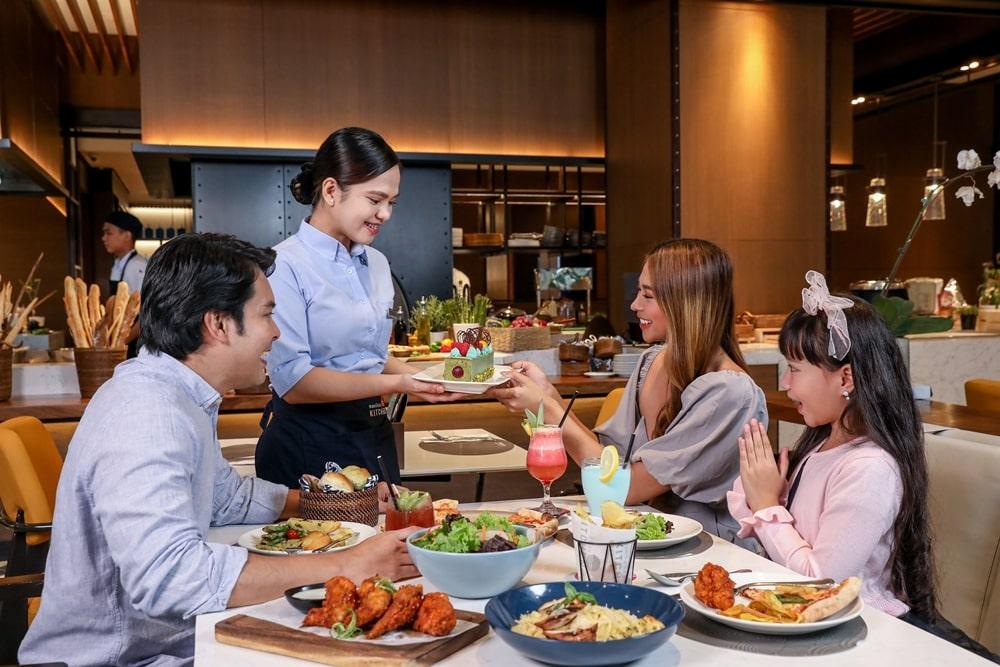
She told me she did not fully appreciate it until she was in her thirties, with children of her own, and finally understood what it meant to wake up early when you have no reason to, for the sole purpose of making someone else’s morning better.
That is a language of care that does not require words. And it lives in her memory now as a very specific smell and a very specific quality of Sunday morning light.
A lot of the meals that carry the most love are ones nobody would post on a food blog. They are not visually impressive. They are not chef-quality. They are just specific to one person, made with full attention, at a moment when it was exactly what someone needed.
Recreating a Remembered Meal: What to Expect
If you are trying to recreate a meal from memory, whether your own or someone else’s, a few things are worth knowing going in.
It will probably not be exactly right the first time, and that is completely normal. Flavor memory is imperfect. Your brain has compressed and simplified the original experience, so you are working from a slightly edited version of something that once existed in full.
Start by identifying the most distinctive element. Every memorable dish has one or two things that define it. For my grandmother’s soup, it was a specific spice combination and the thickness of the broth. Focus there first rather than trying to get everything right at once.
Taste constantly and adjust slowly. Do not add large amounts of anything at once. Add a little, taste, wait, then adjust. This is how intuitive cooks work, and it is how you will eventually close the gap between almost right and exactly right.
Accept that close might be enough. Sometimes you make something that is not quite what you remember, but it is good in its own way. That version belongs to you now. It carries your memories of trying, not just the original meal, and that has its own kind of value.
Talk to people who also remember it. If you are trying to recreate a family recipe, call the relatives. Someone else may remember a detail you have forgotten. Between three or four people’s memories, you can often reconstruct something remarkably close.
Building New Food Memories on Purpose
Here is something that took me a while to understand. You do not have to wait for memories to accumulate passively. You can actively create the conditions for them.
Some of the most lasting food memories in my life came from very ordinary meals that happened to have the right elements around them. Not in the food itself, but in the circumstances. The right people, enough time, no phones, actual conversation.
A long Sunday lunch with no particular agenda. Cooking something unfamiliar together with someone you care about. Teaching a child a recipe that was taught to you. Making the same meal every year on the same occasion until it quietly becomes the occasion itself.
None of this requires a special skill or a large budget. It requires attention and intention, both of which are choices you can make any time.
Simple Ways to Make a Meal Feel Like It Means Something
Cook from scratch when you can, even imperfectly. There is something in the act of making food by hand that signals care, both to yourself and to whoever you are feeding. It does not have to be elaborate. A homemade soup from simple ingredients lands differently than the same soup from a can, and the person eating it knows it even if they cannot explain why.
Use ingredients that carry a story. If your family always used a particular spice, or a technique that came from a specific place, carry that forward. Those details are the connective tissue between generations.
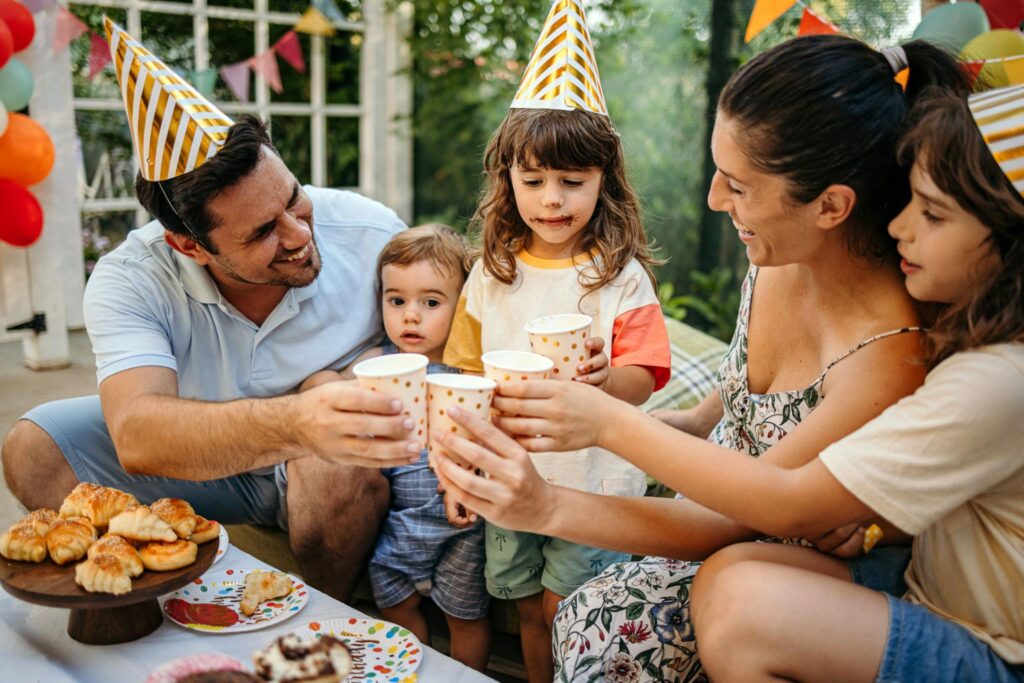
Build a small tradition around something. The same birthday cake every year. A specific meal on a specific date. Pancakes every Sunday morning. Repetition is how ordinary things become meaningful. Often it is the tenth time you do something that it starts to feel like it truly matters.
Eat together without distraction when you can. This is probably the most straightforward piece of advice and also the hardest to follow consistently. But the meals that become memories are almost always the ones where people were actually present with each other.
The Mistake Most People Make
The biggest mistake I see, and one I made myself for years, is assuming that the people who hold these recipes and traditions will always be available to learn from.
They will not. Time moves faster than it feels, and people leave before you expect them to.
The other mistake is thinking that recreating a meal is about getting it exactly right. It is not. It is about the act of trying. About carrying something forward. About standing in a kitchen doing something your grandmother or mother or father taught you and feeling that thread of connection across time.
That feeling is the point. The soup is just the vehicle.
What These Meals Actually Give You
Long after the people who made them are gone, the meals remain. Not in some mystical sense, but in a very practical one. You still know how to make the thing. You still reach for those flavors when you need comfort. You walk through a market, catch a smell, and feel a rush of someone you loved.

Food memories are among the most durable things we carry. They survive in the body long after other kinds of memory have faded. They connect you to people and to versions of yourself that no longer exist in any other form.
That lentil soup I make, the one that is almost right but not quite, I still make it. Not because I have cracked the recipe. I probably never will. But every time I make it, I spend an afternoon thinking about her. About her kitchen. About being small and watching someone who loved me do something ordinary with complete mastery.
That is worth more than getting it right.