
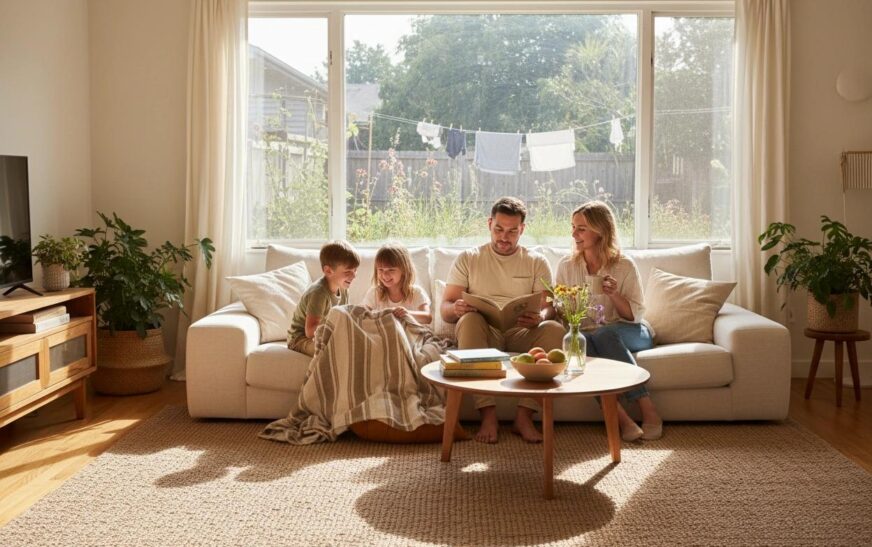
After living for years in a place that had far more rooms than I needed, I decided a few years ago to move into a smaller apartment. The move forced me to confront every single thing I owned. What would come with me, and what would not. I expected it to feel like loss.
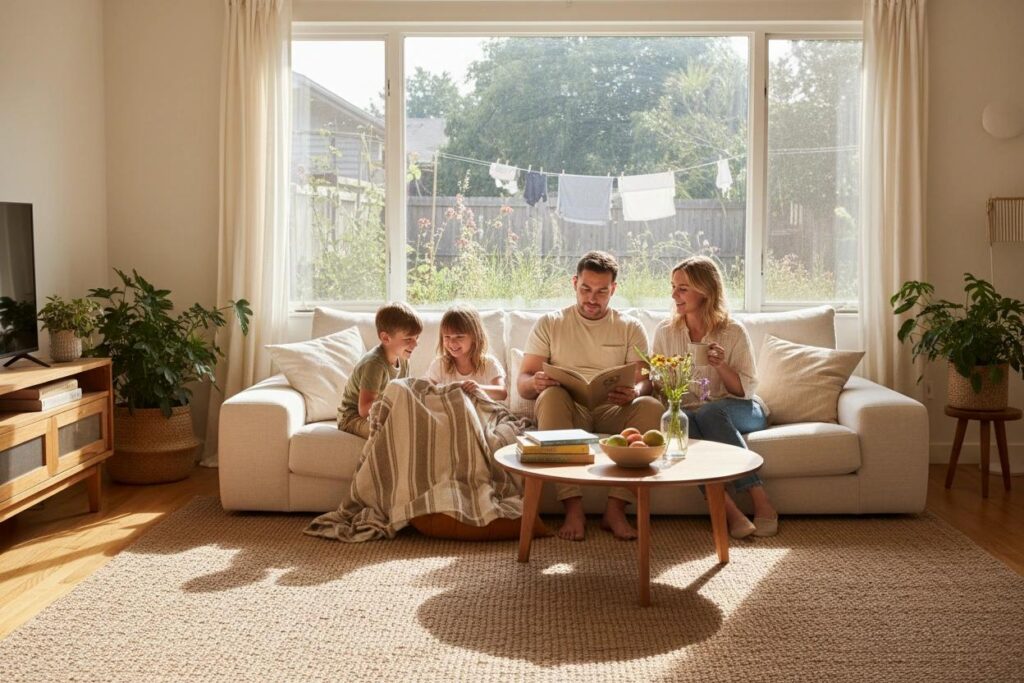
It did not. It felt like relief.
That surprised me more than anything. For years I had filled my life with stuff, justifying every piece as practical, or beautiful, or just a reasonable indulgence. A kitchen gadget I used maybe twice. Shoes I bought because they were on sale, wore once, and never touched again. Books kept mostly for decoration. When I finally had to confront everything at once and decide what actually mattered, I found that most of it did not.
Once I moved into that smaller space with only the things I genuinely used and liked, something shifted. The apartment was simpler to clean. My head felt less cluttered. There was none of that low-level anxiety that came with feeling like I was abandoning a complicated operation every time I left for the weekend.
I never set out to become a minimalist. It just happened to feel a lot better than the alternative.
What Living With Less Actually Means
Let us be clear about what this is and what it is not.
Living with less is not about deprivation. It is not about proving a point, enforcing rules about how many possessions you are allowed, or sitting in a bare white room and calling it enlightenment.
It is about being deliberate. It is about honestly asking whether the things filling your life, your possessions, your commitments, your habits, your spending, are actually serving you. Or whether you are serving them.
Most people, if they slow down and really look, find that a lot of what fills their time and space is not doing much for them. They keep it out of habit, or inertia, or a vague sense that if some is good then more must be better.
When done right, less means more of what actually matters. More time, more mental space, more money going toward experiences and people instead of things that just sit in drawers.
How I Actually Got Started
My first real step was not some overwhelming weekend decluttering project. It was smaller than that. One afternoon, I went through my wardrobe and pulled out everything I had not worn in a year.

The pile was embarrassing. Items still with tags on them. A jacket bought on sale four years earlier because it was a good deal, not because I needed it. Shirts kept out of guilt because throwing them out felt like admitting I wasted money on them.
The Sunk Cost Trap Most People Fall Into
That last part is worth sitting with for a moment. A lot of clutter accumulates because of what psychologists call sunk cost thinking. We hold onto things we never use simply because we paid for them, as if continuing to keep something useless somehow recovers the money spent. It does not. The money is gone either way. The only question is whether you want to dedicate your space and attention to the object indefinitely.
Once I understood that clearly, it became much easier to let things go.
I donated the clothes. I listed a few items on Facebook Marketplace and made a little money. The rest went into charity bags. And then my mornings were noticeably less annoying because everything in the closet was something I actually wore.
That small win made the next step easier.
A Room by Room Approach That Actually Works
The most practical way to simplify your home is to go through it section by section rather than trying to do everything at once. The whole-house-in-a-weekend approach makes for entertaining videos but tends to fall apart around day two when you are sitting in the middle of your living room surrounded by piles and have completely lost motivation.
Pick one area. One drawer, one shelf, one corner. Work through it completely before moving on. This is the basic principle behind the KonMari method, and whatever you think of the specific rituals, the logic holds up. Completing one small area gives you momentum and a visible result to keep going.
The Three Questions to Ask Every Item
For each item, ask yourself three simple questions. Do you use it? Do you genuinely like it? Or is it simply there?
Get rid of what is simply there. If you are genuinely unsure about something, put it in a box, seal it, and see whether you open it in the next few months. If you have not thought about it in ninety days, you almost certainly do not need it.
Digital and Schedule Clutter Count Too
Most conversations about simplifying focus on physical stuff, but digital clutter is just as real and often more insidious because it stays out of sight.
Simplifying your schedule means being honest with yourself about what you can take on before saying yes to anything new. It means giving yourself permission to do fewer things and do them better. A useful exercise is writing down all your current commitments and asking, for each one, whether you would take it on today if you were starting fresh. Anything you would do differently is worth reconsidering, if not immediately then over time.
What Happens to Your Spending
This was one of the most unexpected things I noticed. Once you stop filling your space with things you do not need, your spending naturally drops, without any real effort.
Why Your Spending Drops Without Trying
Part of it is practical. You stop shopping as a form of entertainment. You stop browsing out of boredom. You start to notice how much of what you buy is driven by stress or restlessness or a feeling that something new will change how you feel. Once you see that pattern clearly, it loses most of its pull.

A simple expense tracker helps with this. YNAB works well if you like structure. A plain spreadsheet works just as well if you prefer simplicity. Even just writing down everything you spend for one month changes how you behave, because it takes you off autopilot.
The money that stops going toward things you did not really want becomes available for things you actually value. A trip you kept postponing. A debt you have been meaning to clear. Or simply a lower baseline of monthly stress.
Mistakes I Made Along the Way
The first mistake was trying to do too much too fast. There was a period when I felt like everything needed to be simplified immediately, and I ended up throwing out things I actually wanted while creating more chaos than I started with. Slow and gradual works better than fast and total.
The second mistake was confusing simplicity with aesthetics. There is a version of minimalism online that is essentially just a more expensive, more curated form of consumption. Beautifully photographed storage containers for your carefully edited belongings. That is not really the point.
The third mistake was not thinking about other people. If you share a home with a partner or family members, you do not get to make unilateral decisions about shared spaces. It has to be a conversation, a slower and more collaborative process, but that is the only version that actually holds.
What to Keep
Simplifying is not the same as minimizing. It is about letting go of what does not serve you and holding onto what does.
Keep the books you have genuinely returned to. Keep the tools you reach for regularly. Sentimental objects have real value, so hold onto the ones that mean something, but be honest about which ones those actually are. Keep the practical things that work quietly and reliably.
What is worth letting go is the version of yourself you were planning to become but have not yet. The one who was going to use the exercise equipment, finish the craft project, or wear that outfit to the occasion you kept putting off. If that version has not shown up in a year, they are probably not coming. And that is fine. You are allowed to release both the object and the expectation that came with it.
What Actually Changes
The honest answer is that you probably will not get the dramatic transformation a lot of lifestyle content promises. You will not magically become someone else. A tidy closet does not resolve deeper problems.
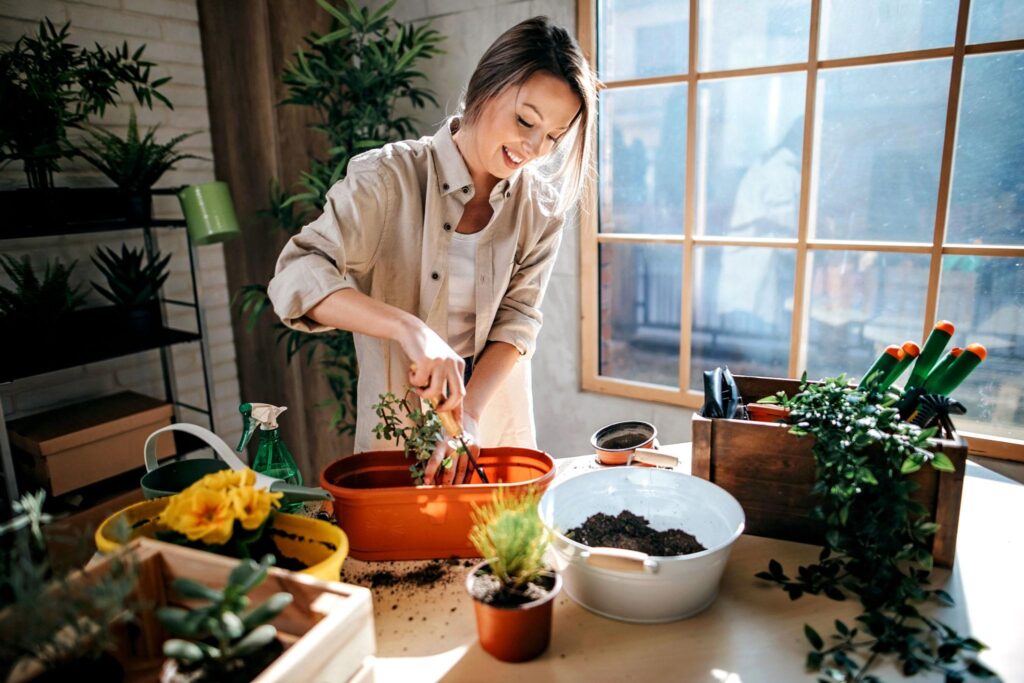
What does happen is smaller and less visible but still real. A certain amount of low-level friction disappears. Mornings take less time. The apartment is easier to clean. Small decisions require less mental energy when there are fewer options competing for your attention.
The Real Payoff Nobody Talks About
And gradually, all that recovered energy has to go somewhere. For most people it flows toward things they kept saying they wanted to do but never had room for. Not because the physical space was lacking. Because the mental bandwidth was being quietly drained by things that did not deserve it.
That is the real payoff. Not a more photogenic apartment. Just a little more room inside your life for the things you actually care about.
How to Find Hidden Culture Without Visiting Tourist Attractions
For my first visit to Istanbul, I stuck to what every travel blog recommended for two whole days. Morning at Hagia Sophia, afternoon at the Grand Bazaar, dinner at a rooftop restaurant with a view over the Bosphorus. Ticked every box. Took every photo. But by the end of day two, I felt oddly hollow about the whole thing.

It only changed when a local woman at a tiny tea house near my guesthouse asked where I had been. When I rattled off my list, she looked genuinely puzzled. “But did you go to Kadikoy?” she asked. “Did you walk through Balat? Did you have breakfast the way we do, not the way hotels serve it?”
I had done none of those things. And after that conversation, I realized I had been to Istanbul without ever really being there.
That exchange changed how I travel entirely. If you have ever come home from a trip feeling like you saw a place but never truly experienced it, you know exactly what I mean.
Why Tourist Attractions Only Show You the Surface of a Place
Tourist attractions exist for a reason. Many of them are genuinely impressive and worth visiting. But they are also designed, managed and optimized for visitors, not for the people who actually live there.
The Grand Bazaar in Istanbul is beautiful, but vendors have been selling the same scarves to tourists for decades. Restaurants near major sights serve softened versions of local food because they know most guests have cautious palates. Museums deliver history through glass cases and information panels.
None of that is dishonest. But it is not the full picture either.
Real local culture lives in the daily rhythms of a place. Two older men arguing at a corner cafe over a backgammon game. The smell of a fish market at six in the morning. The particular chaos that happens outside a neighborhood school at pickup time. None of these appear on any itinerary, but they tell you far more about a place than most museums ever will.
The good news is that they are not hard to find. You just have to stop approaching your trip like a checklist.
How to Find Hidden Local Culture When You Travel
1. Stay in a Residential Neighborhood, Not a Tourist Hotel
Where you stay shapes everything. Booking a hotel in the tourist center of a city places you inside a bubble. Nearby restaurants are priced for visitors. The shops sell souvenirs. The streets are full of other tourists doing exactly what you are doing.
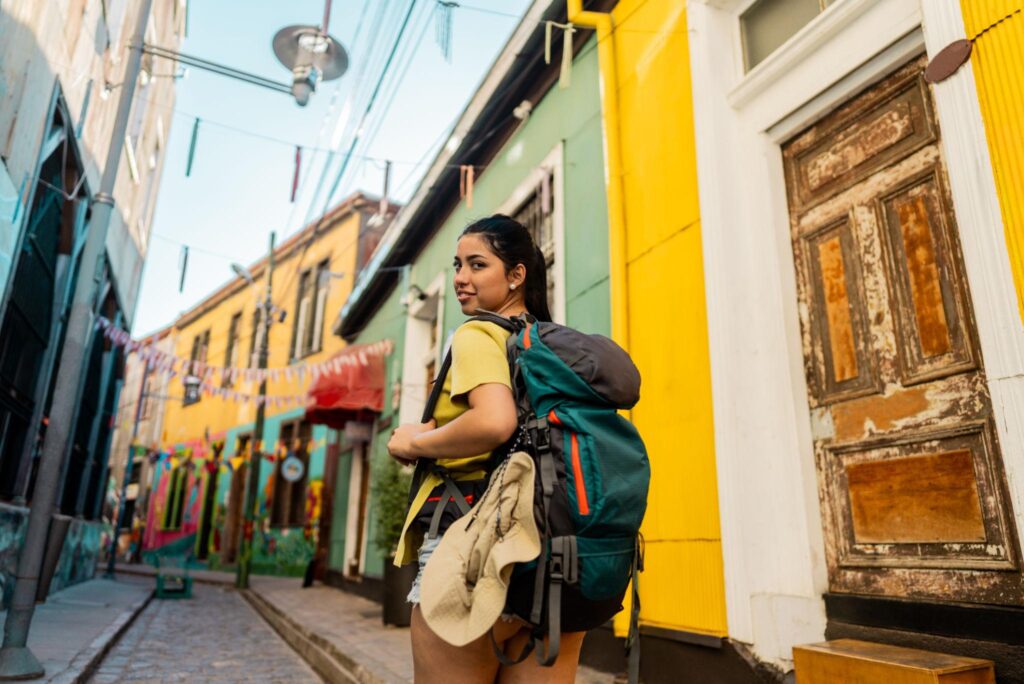
Staying in a residential area for even part of your trip changes the entire experience. You start seeing people actually living their lives. You end up at the bakery the locals use at seven in the morning. You walk past the vegetable shop on the corner where half the produce has names you do not recognize. You hear the language as it actually sounds between people who are not performing anything for an audience.
On Airbnb and Booking.com you can filter searches by neighborhood. Read descriptions carefully. “Within walking distance to all major sights” means you are in the tourist zone. “Residential area” or “local part of town” is what you are actually looking for.
2. Eat at Restaurants Where the Menu Is Not in English
This can feel intimidating if you have never done it, but it is one of the most reliable ways to find genuinely good local food.

No English menu usually means no tourist foot traffic. It also means the food is priced for locals, which almost always means cheaper and far less adapted for outside palates.
Google Translate with the camera function handles this well in most countries. You hold your phone up to the menu and it translates on the spot. You might still not know exactly what you ordered, but that uncertainty is part of the experience.
Some of the best meals I have ever had came from pointing at something I could not read and just trusting the process. A bowl of lamb tagine down a side street in Morocco. A paper plate of fried dough soaked in honey from a roadside stand in Greece that I still think about years later. There was not a single word of English near either of them.
To find these places, move away from the main squares and tourist streets. Look for spots packed with people in work clothes during lunch hour. That is your clearest sign the food is the real thing.
3. Use Google Maps the Way a Local Would
Most people use Google Maps for navigation. Fewer use it for discovery, which is a missed opportunity because the reviews section is one of the most underused tools for finding genuine local spots.
Search the neighborhood you want to explore and read reviews for cafes, markets and restaurants that no travel magazine has covered but that have accumulated hundreds of real reviews over time. The ones worth visiting have photos of actual food rather than stock images, and comments like “my family has been coming here for years” or “this is where the whole neighborhood eats on a Sunday.”
The Popular Times feature is also worth checking. A place that peaks at seven in the morning is a working market. A restaurant packed on a Wednesday afternoon is feeding office workers, not tourists.
4. Ask Your Airbnb Host or Guesthouse Landlord
This is the single most effective thing you can do and also the most consistently overlooked.
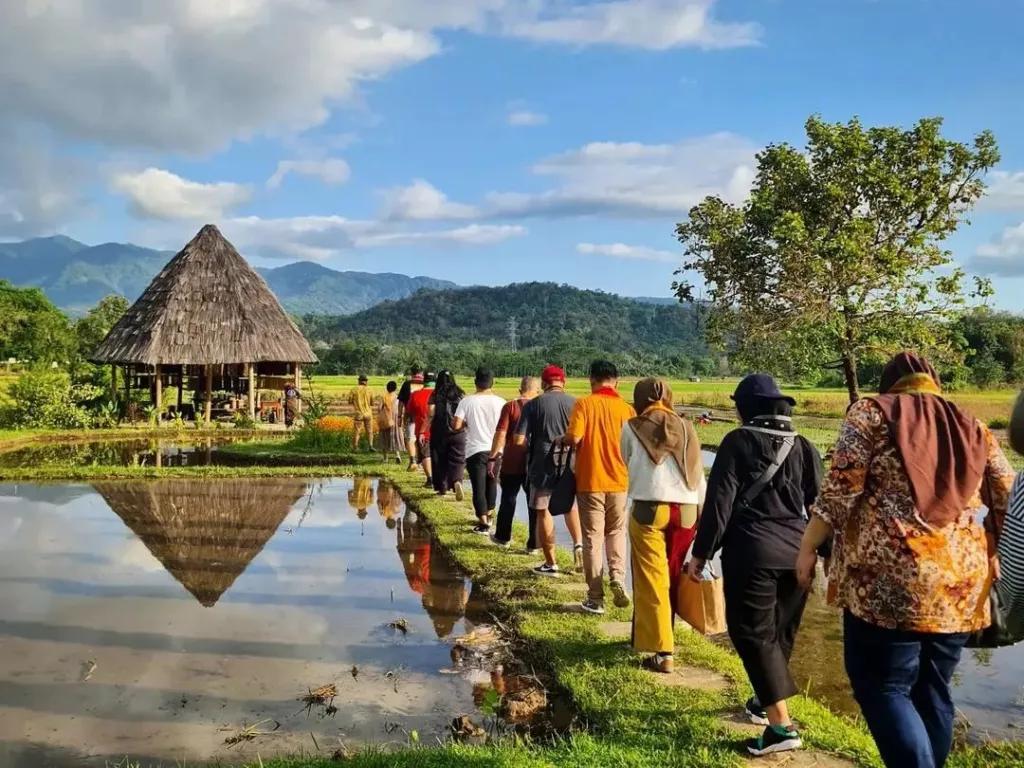
If you are staying in an Airbnb or a guesthouse, your host knows things that no guidebook will ever capture. Not the tips in their listing description, which are usually written to attract bookings, but what they actually share when you ask them directly over a message or in person.
Ask specific questions. Not “any restaurant recommendations?” but “where do you personally go for a Saturday morning breakfast?” Not “any markets nearby?” but “is there a market where locals actually do their weekly grocery shopping?” Specific questions get specific answers, and those answers are almost always more useful than anything in a travel guide.
5. Follow Local Social Media Accounts Before Your Trip
A few evenings before any trip, I now spend time finding Instagram and TikTok accounts from locals in whatever city I am visiting. Not travel bloggers who passed through for a weekend, but actual residents sharing their daily lives.
You start noticing things. A particular street that keeps appearing in candid photos. A type of food that locals seem to eat constantly but that never shows up in travel articles. A neighborhood gathering that has apparently been happening for decades without ever appearing in any guidebook.
Try searching the city name in the local language on Instagram, or use hashtags written in that language. The content shifts entirely. You start seeing the place the way people who live there see it.
TikTok is especially good for food discovery. Local creators share videos from their favorite neighborhood spots, and those clips tend to be far more honest and detailed than any restaurant review written for a foreign audience.
Experiences That Teach You More About a Place Than Any Museum
Go to a Local Food Market Early in the Morning
Not the one selling handmade jewelry and artisan candles that opens at ten for tourists. The actual food market where people come to buy their groceries for the week.
These are usually easy to locate by asking around or searching for the local word: mercado, bazaar, pazar, followed by the neighborhood name. They open early and tend to wind down by midday.
Walk through without buying anything at first. Watch how people shop. Notice what is in season and plentiful, because that tells you what the local cuisine is built around right now. Then pick up something you have never seen before and figure out what to do with it later.
Take Public Transport Instead of Taxis or Rideshares
A taxi takes you from one point to another efficiently. Public transport puts you inside the daily life of a city.
On a bus, tram or shared minibus you see the full cross-section of a place. Students heading to school. Office workers commuting early. Older people with shopping bags. Groups of friends. The energy is completely different from a tourist shuttle, and spending time in it gives you a feel for a city that is hard to get any other way.
If there is a transit card available, buy one. It is almost always cheaper than paying per ride and gives you the freedom to hop on and off without thinking about it.
Attend Something That Would Never Appear in a Tourism Guide
A local football match. A neighborhood fair. A street food festival aimed at residents. A free outdoor concert in a park. A religious ceremony open to respectful visitors.
These are not difficult to find. Local city government websites sometimes list them. Facebook groups for expats living in that city are reliable. Eventbrite and the city editions of TimeOut often include genuinely community-facing events alongside the tourist-oriented ones.
Being the only obvious outsider at something like this, approached with curiosity and respect rather than discomfort, is one of the most valuable experiences available while traveling.
Mistakes That Keep Travelers Stuck in the Tourist Bubble
The biggest mistake is over-planning. When every hour of a trip is booked with sights and reservations, there is no room for anything unexpected to happen. And the best things that happen while traveling are almost always unexpected.
Leave at least one afternoon on every trip completely open. Walk somewhere without a destination. See what you find.
The second biggest mistake is being afraid to look confused or lost. Locals in almost every country respond warmly to travelers who are curious rather than demanding. Asking for help, fumbling through a few words in the local language, laughing at yourself when something does not go according to plan: these moments create genuine human interactions that no itinerary can plan for.
The third mistake is dismissing anything that is not photogenic. Some of the most interesting cultural experiences look completely ordinary. A family eating at a plastic table outside a small restaurant. An elderly man teaching a boy to play chess in a park. Teenagers just being teenagers. These are the moments you actually remember long after you get home.
Best Apps and Tools for Finding Authentic Local Experiences
Google Maps reviews are genuinely useful when you filter for places with consistent local reviewers rather than tourist crowds.
Withlocals connects travelers with local hosts for meals, experiences and tours that go well beyond the standard sightseeing circuit. The hosts are actual residents and the experiences reflect what they genuinely value about where they live.
Most major cities have Meetup groups for language exchanges, hiking clubs, photography walks and community dinners. These are attended mostly by locals and long-term expats, making them one of the simplest ways to meet people through a shared interest rather than the fact that you are both visiting the same city.
Couchsurfing still has a Hangouts feature where locals offer to meet travelers for coffee or show them around, with no long-term commitment involved on either side.
Spotted by Locals is a website and app built entirely on recommendations written by residents across dozens of cities. The tips come from people who actually live there, making it one of the most trustworthy sources for finding places that sit completely outside the tourist circuit.
What Finding Hidden Local Culture Actually Feels Like
My walk through Balat in Istanbul, the neighborhood my tea house host had suggested, would never appear as a highlight on any travel documentary. It was artsy and a little run-down, full of cats, small workshops and older women sitting outside their doors.

But I had one of the best conversations of that entire two-week trip with a shoemaker working just inside his doorway. He spoke just enough English to ask where I was from, and then told me, completely without any performance, that he had lived on that street for sixty years and had never once wanted to leave.
That is what genuinely looking for local culture actually looks like. Not a groundbreaking moment or a photo opportunity. Something real and simple and human that reminds you everyone out there is living their own full life, just as you are living yours.
You cannot plan for that kind of moment. But you can leave enough room in your trip for it to happen.
And when it does, you stop being a tourist and become someone who actually went somewhere.