

My husband finished a huge project at work a while back, the kind that took months and a lot of late nights. I planned this whole dinner out to celebrate, a nice restaurant, reservations weeks in advance, the works. We got there, both exhausted, both a little too dressed up for how tired we actually were, and the conversation kept drifting to traffic and what time we needed to leave to beat the parking garage closing.

It was fine. Just fine. Not the meaningful moment I’d pictured.
A few weeks later he finished a much smaller task, just cleared out his inbox after putting it off for ages, and I made pancakes for dinner as a joke, the breakfast-for-dinner thing we used to do back when we first started dating. We sat on the kitchen floor because the chairs were covered in laundry, and we laughed more in twenty minutes than we had the entire fancy dinner.
That’s when it clicked for me. I’d been treating celebration like it needed to match the size of the achievement. It doesn’t. Sometimes the small, dumb, low-effort ones land way harder than the big planned-out ones ever do.
Why Big Celebrations Often Fall Flat
Big celebrations come with a lot of pressure built in. You’ve spent time and money on them, so there’s this unspoken expectation that they need to feel proportionally big and meaningful. That pressure tends to work against the actual moment.
I’ve noticed this at birthdays too. The years I went all out, big party, lots of guests, elaborate planning, I usually ended up too stressed managing the event to actually enjoy it. The years I kept it small, just a few people and something simple, I actually remember those nights. I can tell you what we talked about. I can’t tell you much about the big parties beyond a vague sense of being tired.
There’s also the frequency problem. Big celebrations happen rarely, by definition. You can’t throw a huge party every time something good happens, it’s not sustainable, financially or energy wise. Which means most of the good stuff in life, the small wins, the quiet progress, never gets acknowledged at all if big is your only mode.
Small Celebrations Build a Habit, Not Just a Moment
Here’s the thing I didn’t expect. Once we started doing small celebrations regularly, it changed how we noticed good things happening in the first place.
When the only thing worth celebrating is the big milestone, you’re sort of waiting around for life to hand you something huge. But when a five dollar bakery treat or an extra ten minutes of a favorite show counts as a celebration, you start noticing way more stuff that deserves a little acknowledgment. My daughter finishing a hard math worksheet. My own decision to finally go for a run after weeks of not feeling like it. None of that used to register as celebration worthy in my head, but now it does, and that shift alone has made our house feel a lot more positive day to day.
Step by Step: How to Actually Build This Habit
Knowing small celebrations are good in theory is one thing. Actually doing them consistently is another. Here’s what’s worked for us.
The real starting point is lowering the bar for what counts. A celebration doesn’t need a theme, decorations, or an audience. It can be five minutes long. It can cost nothing. The first time I really tried this, I celebrated finishing a tough work week by just sitting outside with coffee for fifteen minutes before starting dinner. That’s it. That counted.
From there, attach it to something specific, not something vague. “We should celebrate more” never actually happens because it’s too abstract. What worked better was picking specific, recurring triggers. In our house, finishing a big chore nobody wanted to do gets a treat. A kid bringing home a good report on something they struggled with gets to pick dinner. A hard week at work gets a slow Friday night with takeout and no phones. Specific triggers mean you actually remember to do it.
It also helps to keep a short list of low effort celebration ideas ready. I keep a running note on my phone, just basic stuff. A bakery run. An extra episode of a show we’re watching. A backyard fire pit night. Letting the kids pick dinner. A walk somewhere new instead of the usual route. Having the list ready means I’m not trying to think of something in the moment when I’m tired, which is usually when I’d just skip it otherwise.
Make it visible, even briefly. A celebration that happens completely privately in your head doesn’t have the same effect. Even something tiny, like texting a friend that you finally finished that thing you’ve been avoiding, or putting a sticker on a calendar, gives it a little more weight. We started using a simple whiteboard in the kitchen where we jot down small wins, nothing formal, just a quick note like “finished the garden bed” or “ran 2 miles.” Seeing it written down makes it feel real instead of something that just slipped by unnoticed.
And don’t let it become another obligation. This one matters more than people think. If small celebrations start feeling like one more thing on the to do list, they stop working. I’ve caught myself overplanning a “small” celebration until it wasn’t small anymore, and the whole point got lost. The second it starts feeling like effort instead of joy, scale it back down.
Real Examples From Our House
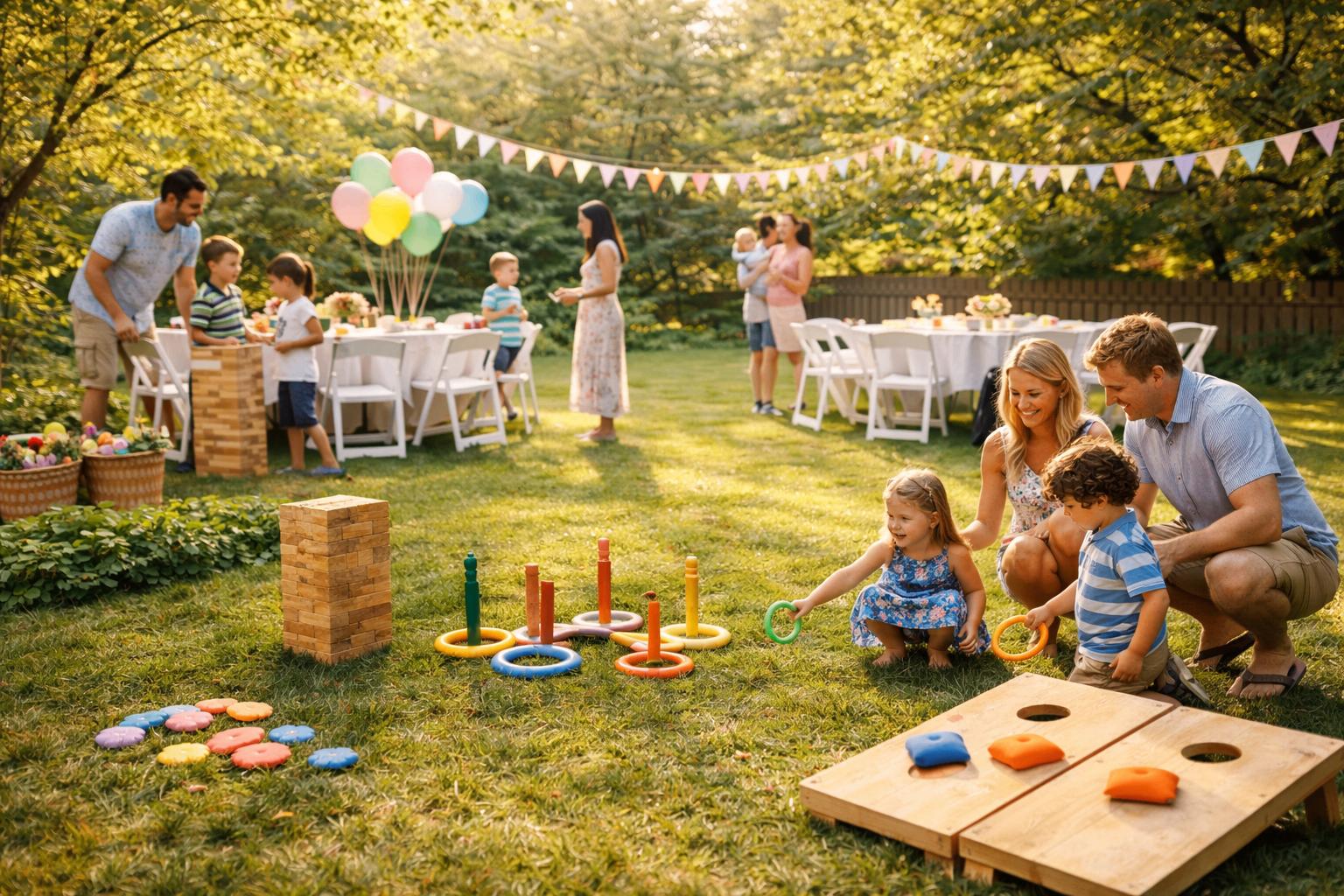
A few things that have become regular small celebrations for us, just to give you a sense of how low key this can be.
When my son finally learned to tie his shoes after weeks of frustration, we didn’t do anything elaborate, just let him pick the song for our five minute dance party in the living room, something we do occasionally anyway, but that night it was specifically for him.
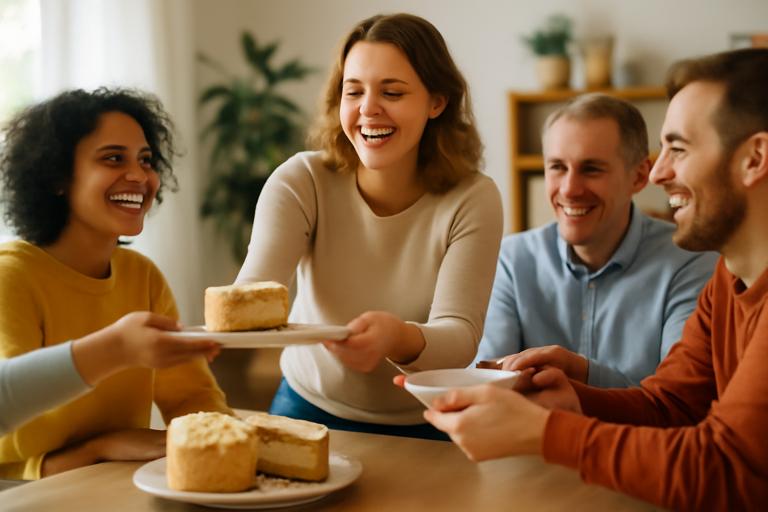
When I hit a savings goal that took almost a year of consistent small deposits, I didn’t buy anything expensive. I just ordered my favorite takeout instead of cooking, and we ate it on the porch and talked about what the money was actually for.
When my husband quit a habit he’d been trying to break for a long time, three months smoke free, we marked it with a six dollar candle from the grocery store that smelled like something he liked. It’s still on our shelf. He mentions it sometimes.
None of these cost much or took much planning. All of them stuck in memory way more than most of the bigger stuff we’ve done.
Common Mistakes People Make With This
Waiting for something “big enough” to celebrate is the most common one. If you’re waiting for a milestone that feels worthy, you’ll celebrate maybe twice a year. Lower the threshold.
Turning small celebrations into big productions anyway is another trap. It’s easy to let a simple idea snowball into something elaborate, especially if you enjoy planning. Watch for that drift and pull it back.
Only celebrating achievements, never effort, is a mistake too. Finishing isn’t the only thing worth marking. Showing up to try something hard, especially something that didn’t work out, deserves acknowledgment too. We’ve started celebrating attempts, not just wins, especially with the kids.
Forgetting to celebrate yourself, not just other people, happens more than you’d think. It’s easy to plan small celebrations for family members and completely skip your own wins. I’m guilty of this constantly. The fifteen minutes of coffee outside thing started because I finally noticed I was doing this for everyone except myself.
Making it transactional is the last one to watch for. A celebration tied too tightly to a reward system can start to feel like a bribe rather than genuine recognition, especially with kids. The goal is acknowledgment, not a trade.
Final Thoughts
The fancy dinner we planned wasn’t a bad idea, it just put all the weight on one big moment instead of spreading it across the dozens of smaller ones that actually made up the months before it. Pancakes on the kitchen floor shouldn’t have meant more than a nice restaurant, but it did, because there was no pressure attached to it, just two tired people genuinely glad about something small.
If you want to try this, don’t wait for a big occasion to test it out. Pick something tiny that happened this week, something you’d normally just let pass by, and do something small to mark it. A treat, a walk, an extra twenty minutes of something you enjoy. It costs almost nothing and it adds up to a lot more than people expect.
Screen-Free Activities That Actually Keep Kids Entertained for Hours
We lost power for a full day last summer, no internet, no TV, and my phone was down to eight percent with no charger in sight. I genuinely braced myself for hours of whining. My kids are six and nine, and at the time, a typical Saturday meant tablets by nine in the morning and some kind of meltdown the second we tried to take them away.
Instead, that blackout day turned into one of the best days we’d had in months. They built an entire fort system out of couch cushions and old sheets, invented a game involving a flashlight and the hallway that I still don’t fully understand the rules of, and at one point spent forty straight minutes drawing a map of our house that included fake hidden treasure.
No screens. No fighting about screens. Just hours of them actually playing.
That day kind of broke something open for me. I’d been assuming screens were the only thing that could hold their attention for long stretches, and it turned out that wasn’t true at all, I just hadn’t been setting things up right. Since then I’ve gotten a lot more intentional about screen-free activities, and some of what I’ve learned surprised me.
Why Screen-Free Time Often Fails (And It’s Usually Not the Kid’s Fault)
For a long time, my attempts at screen-free time went like this. Take away the tablet, hand them a coloring book, watch them lose interest in four minutes, give up and hand the tablet back.
I used to think that meant my kids just weren’t into that kind of thing. Looking back, the problem was usually how I was setting it up, not the activity itself. Coloring books and simple toys ask kids to entertain themselves with almost no structure, no goal, no story, nothing to build toward. Some kids can do that easily. Mine needed more of a frame to work inside.
Once I started giving activities an actual goal or story attached, even a loose one, the engagement completely changed.
What Actually Works (Tested Over Many, Many Saturdays)
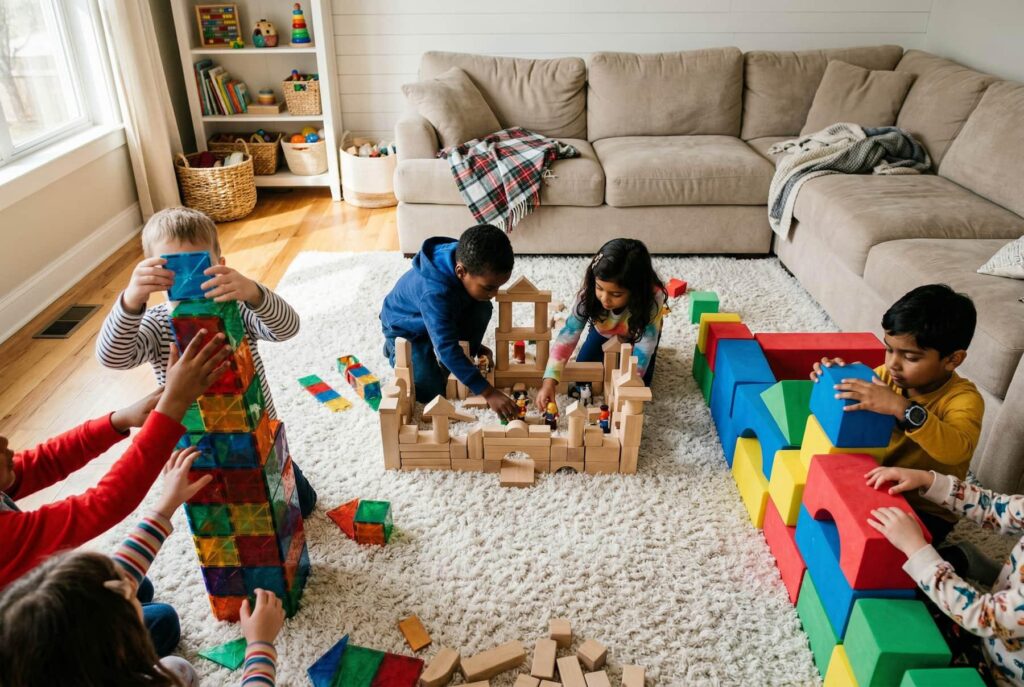
Building something with an actual project in mind makes a big difference. Random building blocks scattered on the floor get maybe ten minutes of interest. But giving my kids an actual mission, like building the tallest tower that can hold a toy car on top, turns it into something they’ll work on for an hour, tearing it down and rebuilding it three or four times. We use basic wooden blocks and a set of magnetic tiles, Magna-Tiles specifically, though there are cheaper off brand versions that work fine too. The trick isn’t the toy itself, it’s giving them a challenge instead of just open ended free play.
A scavenger hunt around the house or yard is the one that consistently buys me the most time. I’ll write ten to fifteen small clues on scrap paper, nothing fancy, things like look somewhere you put your shoes or find something that’s the color blue, and hide them around the house leading to a small prize at the end, usually just a snack or a sticker. The first time I did this it took me about ten minutes to set up and bought me a solid forty five minutes of focused, screen free activity. That ratio alone made it worth doing regularly.
Giving them a job instead of a toy works surprisingly well too. Kids often want to feel useful more than they want to be entertained, which sounds backwards but I’ve seen it play out over and over. My six year old will spend a genuinely long time sorting a junk drawer, washing plastic dishes in a tub of soapy water on the porch, or organizing a shelf of books by color. It’s not really cleaning, it’s pretend work that feels important to them. I just hand over something low stakes, an old wallet full of expired cards to organize, a basket of socks to match, and walk away.
Water and dirt offer basically unlimited entertainment. This sounds almost too simple but a bin of water with cups, funnels, and a few toys can occupy my kids for ridiculously long stretches, especially outside where the mess doesn’t matter. Same with a designated digging spot in the yard with some old spoons and containers. We keep a cheap plastic tub specifically for this, fill it with water, throw in some kitchen measuring cups, and that’s genuinely it. No expensive sensory bin kit required, though if you want something more structured, kinetic sand works well for indoor versions of the same idea.
Step by Step: Setting Up a Longer Independent Play Session
If I know I need a solid hour or two of uninterrupted time, here’s the actual process I use now.
First, pick one activity with a clear goal, not several toys scattered around with no direction. One scavenger hunt, one building challenge, one pretend job.
Set it up before announcing it. If I hide the scavenger hunt clues first and then tell them it’s ready, there’s no idle waiting time where boredom, and the inevitable can I have the tablet, creeps back in.
Give a loose time frame out loud. Saying let’s see if you can build something taller than the kitchen chair before lunch gives them a target, which somehow makes the activity feel more like a real challenge.
Stay nearby but not involved. I used to think I needed to play along the whole time. Actually, just being in the next room, available but not hovering, lets them get more creative on their own.
Let it run longer than feels necessary. My instinct is always to check in or wrap things up too early. Kids often hit a slow patch around the fifteen minute mark and then dive back in deeper if you just don’t interrupt it.
Real Examples From Our Week
On a normal weekday afternoon now, here’s roughly what screen-free time looks like in our house. Right after school, there’s usually a snack and then thirty minutes of pure outside time, no agenda, just the backyard. After that I’ll set up one structured activity, the scavenger hunt, a building challenge, sometimes a simple recipe they help measure ingredients for, like making no-bake granola bars together.
Weekends are when the bigger stuff happens. A full fort building afternoon. A restaurant they set up where they take turns being the customer and the chef using pretend food. Once, an entire obstacle course through the living room made from couch cushions, painter’s tape on the floor, and a laundry basket as the finish line.
None of this requires special equipment beyond stuff already in most houses. The painter’s tape trick alone has been used for at least six different games at this point.
Common Mistakes I Made Early On
Expecting them to come up with the idea themselves rarely worked. Kids, especially younger ones, often need a starting point. Go play is too vague. Build a zoo for your stuffed animals gives them something to grab onto.
Hovering too much was another one. I used to stay and direct every part of the activity, which actually shortened how long they’d stick with it. Stepping back let them take ownership of it.
Pulling the activity away too early caused problems too. If I interrupted to clean up or move to the next thing, the engagement reset every time. Now I let messy, half finished projects sit until they’re actually done with them.
Treating screen-free time as a punishment backfired more than anything else. Framing it as no screens today instead of building genuine excitement around the activity itself made kids resent it before it even started. Now I sell the activity, not the absence of the tablet.
Not having anything ready in advance was probably the biggest one. The times screen-free time failed hardest were the times I tried to improvise on the spot while a bored kid was already standing in front of me asking what to do. A little prep, even five minutes, makes a huge difference.
Final Thoughts
That blackout day taught me something I probably should have figured out sooner, kids don’t actually need screens to stay entertained for hours, they need a little bit of structure and something that feels like a real challenge or a real job. Once I started setting things up that way instead of just removing the tablet and hoping for the best, screen-free time stopped being a fight and started being something they genuinely looked forward to.
If you want to try this, don’t aim for a whole screen-free day right away. Pick one activity from this list, the scavenger hunt is honestly the easiest place to start, and see how it goes. You’ll probably be as surprised as I was by how long it actually holds their attention.