
Three years ago I booked what I was completely convinced would be the perfect trip to Bali. Twelve days, two beach resorts, a rice terrace hike, and a cooking class I had been dreaming about since watching a travel documentary on a slow Tuesday night. The itinerary looked gorgeous on paper.
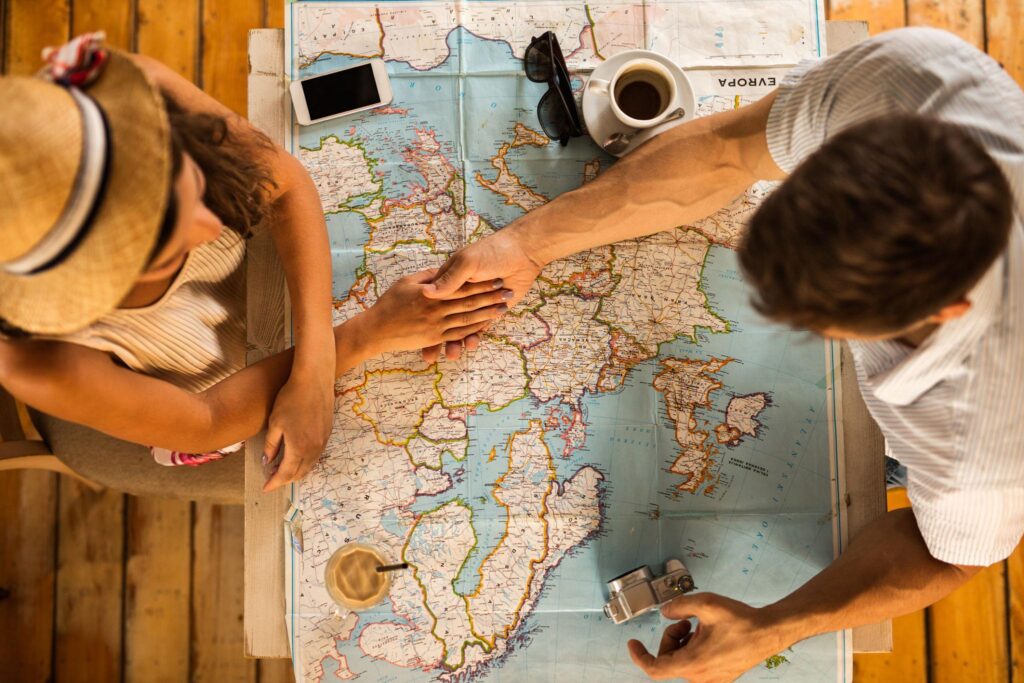
By day four I was sunburned, mildly food-poisoned, and sitting in the wrong airport terminal because I had confused Ngurah Rai’s domestic and international gates. My “dream vacation” had turned into a survival exercise.
That trip taught me more about travel planning than any blog post ever had — mostly because everything that went wrong was completely preventable. Since then I have taken eleven international trips, kept notes on what worked, and figured out a system that actually holds up when real life gets involved.
This is that system.
Start With How You Actually Want to Feel, Not Just Where You Want to Go
Most people open Google and type in “best travel destinations” before they have any idea what kind of experience they’re looking for. That’s where the planning process breaks down before it even starts.
A beach in Thailand looks incredible in photos. But if crowds make you anxious, if heat drains you, or if you hate the feeling of nothing to do, you’ll be miserable there regardless of how beautiful the water is. Destination comes second. The feeling you’re chasing comes first.
Ask yourself a few honest questions before touching any booking site:
Do you want total rest, or do you want to feel stimulated and active? Some people come home from a “vacation” exhausted because they packed it with activities. Others get stir-crazy on beach trips. Knowing which category you fall into changes everything.
Are you traveling to disconnect or to explore? Disconnecting usually means fewer cities, slower pace, fewer logistics. Exploring means you want variety, history, food, culture — and it means more moving around.
What is your actual budget, including the parts people forget? Flights and hotels are obvious. What people consistently underestimate: airport transfers, travel insurance, local transport, eating out for every meal, activities, tipping cultures, and the inevitable “I’ll just buy this thing because I’m on vacation” purchases.
Once you have honest answers to those questions, choosing a destination becomes much easier and the shortlist gets shorter fast.
How to Build an Itinerary That Doesn’t Destroy You
The biggest rookie mistake in travel planning is trying to see everything. Seven cities in ten days sounds exciting when you’re booking it. By day six you are living out of your suitcase, you have stopped actually looking at anything because you’re too tired, and you resent every beautiful landmark.
Here’s the rule I now follow religiously: plan for sixty to seventy percent of the time and leave the rest open.
That empty space isn’t wasted. It fills itself with the best parts of travel. A local recommends a restaurant that isn’t on any list. You stumble onto a market that wasn’t in your research. You sleep in because you needed it. You spend an extra afternoon somewhere because it turned out to be your favorite place on the trip.
The Three-Anchor Method for Building Your Itinerary
Pick three things you absolutely want to do or see. Not thirty. Three. These are your anchors — the experiences that would make the trip feel complete even if nothing else went right.
Build your rough schedule around those three things first. Which location do they each require? What time of day is best for each one? Are any of them time-sensitive (specific opening hours, seasonal availability, a reservation window)?
Fill in the gaps loosely. Once your anchors are placed, add two or three flexible options per day. These are things you’d enjoy if energy and timing allow but won’t be devastated to skip.
Accept that your list will be too long and that’s fine. Having more options than time is better than running out of things to do or feeling like you’ve planned every second so tightly that nothing can breathe.
The Destinations Worth Seriously Considering Right Now
Rather than recycling the same tired list of Paris, New York, and Santorini, here are categories of trips that are genuinely having a moment — and the specific places within those categories that deliver.
Slow Travel in Southern Europe
Portugal remains one of the most underrated decisions a traveler can make. Lisbon is obvious at this point, but the Alentejo region — rolling plains, small wine towns, almost no tourist infrastructure — is where people go and never want to leave. Évora has Roman ruins that you can walk up and touch without a crowd. The Douro Valley wine region is visually stunning and accessible without a complicated tour booking.
Northern Spain gets far less attention than it deserves. San Sebastián has a food culture that serious eaters travel specifically for. The Camino de Santiago, even partial sections of it, is one of those trips that changes how people think about what travel can be.
Active and Adventure Travel That’s Actually Accessible
New Zealand is expensive and far for most travelers, but for active trips it’s hard to beat. Queenstown offers everything from bungee jumping to serious hiking, and the Milford Sound area is one of the few places that genuinely looks better in person than in photos.
For something more accessible and cheaper, Colombia has transformed dramatically as a travel destination over the last decade. Medellín specifically has infrastructure, safety improvements, and a food and culture scene that surprises almost everyone who visits. Cartagena for architecture and coast, the Coffee Region (Eje Cafetero) for landscapes and farm stays.
Costa Rica remains the benchmark for eco-travel done properly. The zip-lining and jungle lodges are tourism-industry standard at this point, but the Osa Peninsula and Tortuguero still feel genuinely remote and wild.
City Trips for Culture and Food
Tokyo is the city that most frequently makes travelers say they want to move there. The food alone justifies the flight. The organization, the politeness of public life, the layering of ancient and futuristic — it’s unlike anywhere else. Budget more time than you think you need.
Mexico City is having a sustained moment and for good reasons. The art scene (Frida Kahlo’s Casa Azul, the Museo Nacional de Antropología), the food (this city has more Michelin-starred restaurants than most European capitals), and the neighborhoods like Condesa and Roma Norte make it a city that rewards staying longer than a long weekend.
Istanbul sits at a crossroads literally and culturally and still gets overlooked in favor of Western European cities that have twice the tourist crowds and three times the price. The food, the history, the Bosphorus, the bazaars — it delivers on almost every front.
Step-by-Step: How to Actually Book the Trip
Most people approach booking in the wrong order and end up either overpaying or locking themselves into an itinerary that doesn’t work logistically.
Step One: Set a Real Budget Before Opening Any Booking Site
Write a number down. Not a vague range. A specific number you are comfortable spending including everything. Then subtract fifteen percent as a buffer, because something always costs more than expected. Work with what’s left.
Step Two: Find Flights First, But Don’t Book Immediately
Use Google Flights to get a sense of price ranges and timing. The calendar view is genuinely useful — you can see how prices shift by day and sometimes find a Tuesday departure that’s significantly cheaper than Friday. Set a price alert and watch it for a week or two before committing.
Skyscanner is worth checking in parallel, particularly for flights within Asia or between smaller cities. It occasionally finds routes that Google Flights misses.
Step Three: Choose Accommodation Based on Location, Not Just Stars
The location of your hotel matters more than its rating in most cities. A four-star hotel in a neighborhood that requires forty-five minutes of commuting to anything you want to do is a worse choice than a three-star in the middle of things. Open Google Maps, drop a pin on the hotel, and check how far it is from your anchor experiences.
Booking.com tends to have better flexibility for free cancellation than some alternatives. Airbnb is genuinely better for longer stays in residential neighborhoods or when you need a kitchen — particularly useful for families or anyone on a tighter food budget. Hostelworld is worth checking even if you’re not a backpacker type because many modern hostels have private rooms that are significantly cheaper than hotels with a similar quality level.
Step Four: Book Your Anchors Before Anything Else
Popular experiences book out. The Blue Lagoon in Iceland, cooking classes in Florence, Inca Trail permits for Machu Picchu, the summit tour of the Eiffel Tower — these have limited capacity and real lead times. If you’ve identified your three anchor experiences, book those the moment your flights are confirmed. Everything else can wait.
Step Five: Get Travel Insurance Before You Think You Need It
This is the step most people skip and then regret at some inconvenient and expensive moment. World Nomads is the most commonly recommended option for independent travelers and covers a broad range of activities including adventure sports. SafetyWing is worth looking at if you’re doing a longer trip or slow travel.
The coverage that matters most: medical evacuation, trip cancellation, and baggage delay. The policy premium is almost always a tiny fraction of what any single claim would cost.
Apps and Tools That Actually Make Travel Easier
Google Translate with offline language packs downloaded is non-negotiable. Even if you don’t speak the local language, being able to photograph a menu or a sign and get an instant translation changes the daily experience of being somewhere foreign.
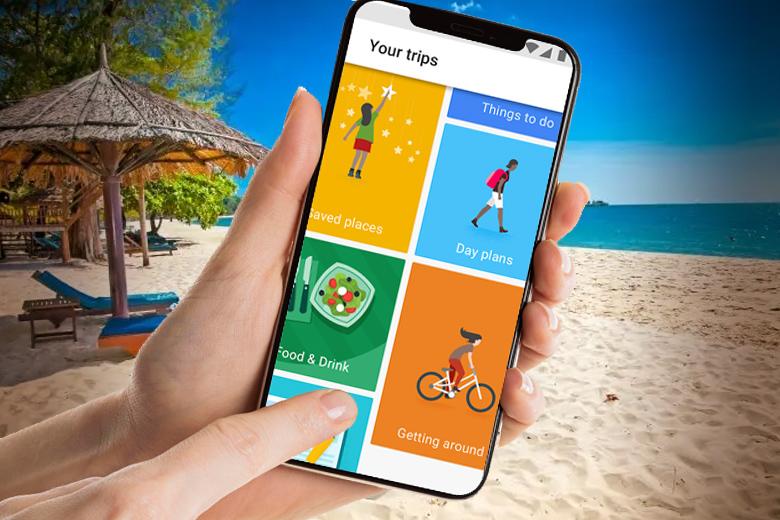
TripIt organizes your booking confirmations automatically. Forward any confirmation email to the app and it builds a master itinerary with all your flights, hotels, and reservations in one timeline. Worth the small subscription cost for anyone who books more than one trip per year.
XE Currency gives you real exchange rates without the bank markup so you know what you’re actually paying in your home currency when you’re standing at a market making a purchase decision.
Maps.me or offline Google Maps (download the area before you go) lets you navigate without burning through data or depending on spotty connection. Extremely useful in areas where roaming costs are high or service is unreliable.
Notion or even a shared Google Doc works well for collaborative trip planning if you’re traveling with other people. Having one shared document where everyone can see the itinerary, add ideas, and track costs prevents the inevitable “wait, what are we doing tomorrow” conversations.
Mistakes That Will Quietly Ruin a Good Trip
Overpacking is the most universal. Almost every experienced traveler eventually converts to a carry-on-only approach and wonders why they waited so long. Checked luggage fees add up, waiting at baggage claim wastes time, and the stress of worrying about lost bags during connections is real. Pack for five days regardless of how long the trip is — you’ll do laundry.
Ignoring jet lag strategy is a mistake that costs the first one or two days of a trip unnecessarily. Getting sunlight exposure in the morning at your destination, avoiding naps the first day, and adjusting your sleep schedule slightly before departure all make a measurable difference. Melatonin for the first couple of nights helps many people.
Assuming everywhere takes cards is still a problem in enough places to matter. Japan in particular remains heavily cash-based outside of major tourist areas. Vietnam, Morocco, and many markets and local restaurants across Southeast Asia and Eastern Europe prefer or require cash. Withdraw local currency early and carry some backup.
Eating only at tourist-facing restaurants is an expensive mistake that also guarantees mediocre food. The best meals on almost every trip come from places with no English menu outside, no photos of the dishes on the wall, and a room full of local people eating lunch. Learning to find those places — by walking residential streets, asking hotel staff where they eat, using Google Maps filtered to four-plus stars with a high volume of local-language reviews — changes the food experience completely.
Neglecting to check visa and entry requirements until the last minute has derailed trips that were planned for months. Some visas require applications weeks in advance. Some countries require that your passport has six months validity remaining beyond your travel dates. Check these things the moment you book and again thirty days out.
Traveling on a Tight Budget Without It Feeling Like a Compromise
Shoulder season is the single highest-leverage move for budget travel. The weeks just before and after peak season often have eighty percent of the good weather with fifty percent of the crowds and meaningfully lower prices on flights and accommodation. Late April in Europe, early September in the Mediterranean, November in Southeast Asia — these windows are often better experiences than peak season even ignoring the cost.
Slow travel saves money. Staying in one place for a week costs less than five two-night stays in five different cities once you factor in transport between them, the accommodation premium for short stays, and the mental and physical cost of constant movement.
Cooking some meals is easier than it sounds and makes a real budget difference on longer trips. Markets in most cities sell fresh, cheap, incredible ingredients. A private room in an Airbnb with kitchen access plus two or three market meals per week adds up to significant savings over two weeks.
Prioritizing free experiences isn’t a sacrifice. Most major museums have free days or free hours. Walking neighborhoods, hiking coastal paths, sitting in public squares, attending local markets — some of the best travel experiences cost nothing. Structure your paid activities around these rather than filling every slot with ticketed attractions.
What Nobody Tells You Before Your First Big Trip
The trip will not go exactly as planned. Something will be closed unexpectedly. A recommendation will turn out to be overhyped. A place you had low expectations for will become the highlight of the whole experience. That’s not a failure of planning. That’s travel being what it actually is.
The best trips aren’t the ones where everything goes perfectly. They’re the ones where you were present enough to notice what was actually happening around you, flexible enough to change direction when something better appeared, and honest enough with yourself about what you actually enjoy rather than what you thought you should enjoy.
My Bali trip, chaotic as it was, gave me the specific combination of experiences that made me serious about travel in the first place. The wrong terminal, the food poisoning recovery day spent reading at a warung, the cooking class that ran three hours longer than scheduled because the instructor kept adding dishes — those are the parts I still tell stories about.
Plan well. Then hold the plan loosely. That’s the whole formula.