
That Will Actually Make You Proud
My khala visited us two summers ago and watched me cook daal for exactly four minutes before she quietly took the spoon out of my hand. No explanation. Just took it, adjusted the flame, threw in a handful of something I hadn’t even seen her pick up, and walked back to the sofa like nothing happened. Fifteen minutes later that daal tasted like it came from a dhaba in Lahore.
I’ve been cooking Pakistani food my whole life and my khala still does that. Every single time.
That’s the thing about this cuisine. There’s always someone who makes it better than you, and watching them feels like watching magic — until you realize it isn’t magic at all. It’s just practice, patience, and knowing about four things that nobody bothers to explain in recipes.
This guide is those four things. Plus actual recipes you can start making this week, written by someone who burned the onions too many times and still figured it out.
Nobody Tells You This Part — So I Will
Pakistani cooking has a reputation for being complicated. Honestly, that reputation comes from the spice list more than anything else. You open a recipe and it says cumin, coriander, turmeric, red chili, garam masala, sometimes cardamom, sometimes cloves — and you close the tab.
But here’s what took me years to figure out: those spices are not all doing different jobs in every dish. Most of them work as a team, and you use basically the same team across dozens of recipes. Once your hands know the ratios, you stop thinking about the list entirely.
The real skill in Pakistani cooking isn’t the spices. It’s bhunna.
Bhunna is the process of cooking your onions, tomatoes, and spices together on heat until all the raw-ness cooks out, the oil separates around the edges, and the whole thing smells like it means business. Every Pakistani aunty does this without thinking. It’s automatic for them. For beginners, it’s the missing piece that explains why restaurant food tastes different from home food when the ingredients are identical.
Learn bhunna and everything else gets easier. That’s genuinely it.
Build Your Spice Shelf Once, Use It Forever
Before you cook anything, take one trip to a Pakistani or Indian grocery store. Don’t go to the supermarket for spices — the prices are four times higher and the quality is often worse because the stock sits on shelves longer.
What to buy on that first trip: cumin seeds, whole and ground coriander, red chili powder, Kashmiri red chili powder (different thing — gives colour without too much burn), turmeric, garam masala, whole black peppercorns, bay leaves, and green cardamom pods. That covers probably eighty percent of everything you’ll cook in the next six months.
Kashmiri red chili is worth a special mention. A lot of beginners skip it and then wonder why their karahi doesn’t have that deep reddish colour. Regular red chili powder is for heat. Kashmiri is for colour and a softer warmth. You use both together in many dishes.
For ginger garlic paste, just make your own. Peel equal amounts of both, blend with a tiny splash of water, and keep it in the fridge in a jar. Tastes noticeably better than store-bought, lasts two weeks easily, and costs almost nothing.
Daal Chawal — Learn This First, Everything Else Gets Easier
People underestimate daal because it’s humble. Lentils and rice — doesn’t sound impressive. But cooking good daal teaches you tarka, which is the spiced oil technique that shows up in so many Pakistani dishes that once you understand it, you’ve essentially unlocked a door.
Ingredients for Daal
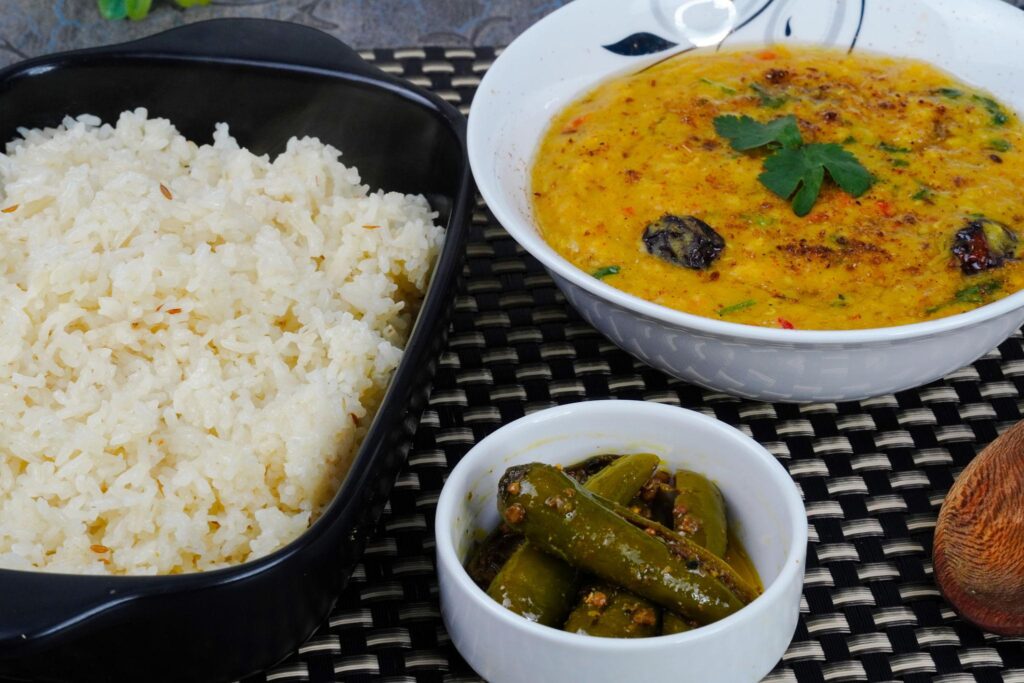
One cup of masoor daal, the orange-red split lentils, serves two to three people comfortably. These don’t need soaking, they cook fast, and they’re very forgiving for beginners. For the tarka you need ghee or oil, cumin seeds, a few garlic cloves, dried whole red chilies, and a pinch of turmeric.
Cooking It Step by Step
Wash the lentils well. Keep rinsing until the water comes out mostly clear, usually three or four rounds. Put them in a pot with around two and a half cups of water, half a teaspoon of turmeric, and salt. Bring it up to a boil, then drop the heat to medium-low, tilt the lid slightly so steam can escape, and let it go for twenty to twenty-five minutes. Stir it every now and then. The lentils should completely break down into a thick, smooth consistency. If it gets too thick and starts sticking, add a little water.
While the daal finishes, do the tarka. Take a small pan — a tadka pan if you have one, otherwise any small frying pan works. Add two generous tablespoons of ghee and get it hot on medium-high heat. Drop in a teaspoon of cumin seeds. They should sizzle and start to darken within thirty seconds. Add three or four sliced garlic cloves and two dried red chilies. Watch it. The garlic should go golden at the edges, not brown, not black. That smell when the garlic hits the hot ghee is one of the best smells in cooking, and it means you’re almost done.
Pour the entire tarka over the cooked daal while it’s still sizzling. Stir it through. Taste for salt. Squeeze half a lemon in if you have one.
Serve over plain basmati rice with raw sliced onion on the side. The onion cuts through the richness perfectly and it’s not optional in my opinion.
The lesson here is that the tarka isn’t garnish — it’s the actual flavour. Weak tarka, flat daal. Strong tarka where the cumin and garlic really bloomed in hot fat, and suddenly the whole thing tastes alive.
Aloo Ki Sabzi — Thirty Minutes, Seven Ingredients, Genuinely Delicious
This is the recipe I made when I was broke and living alone and had no idea what I was doing in a kitchen. Four potatoes, some spices, a tomato — and somehow it tasted like home. It pairs with roti, with rice, with literally just bread if that’s all you have.
Ingredients for Aloo
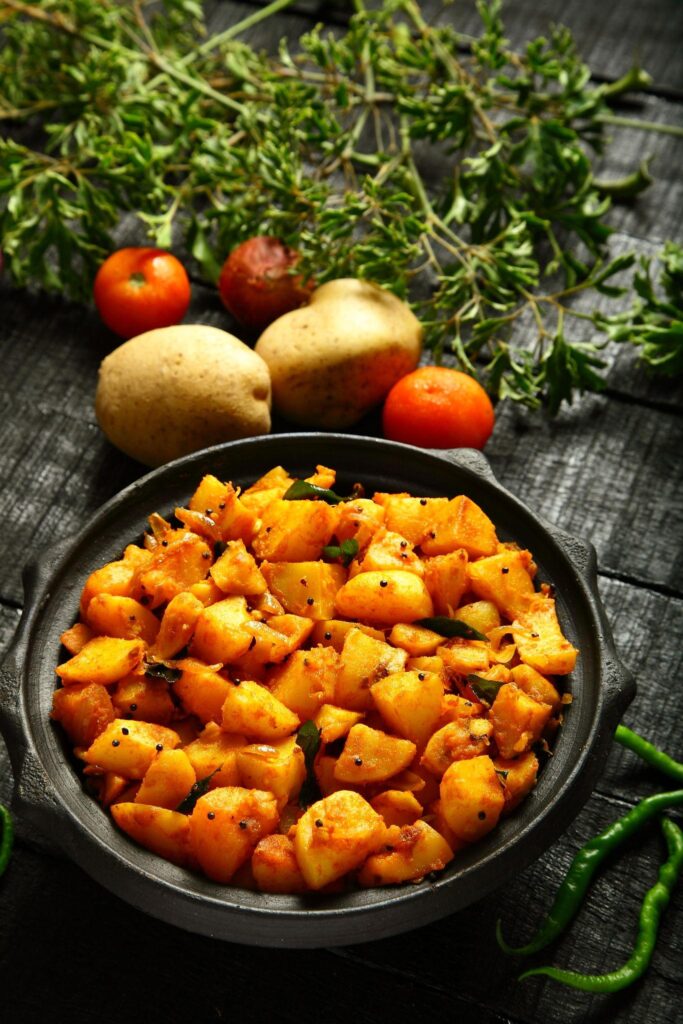
Four medium potatoes peeled and cubed into roughly equal pieces so they cook evenly. One medium onion, one tomato, ginger garlic paste, cumin seeds, coriander powder, red chili powder, turmeric, salt, oil. Cilantro if you have it for the end.
Cooking It Step by Step
Pour three tablespoons of oil into a pan and heat on medium. Add half a teaspoon of cumin seeds. Give them twenty seconds to splutter and then add the onion. Now — and this matters more than anything — don’t rush the onion. Keep it on medium heat, stir it every couple of minutes, and let it actually brown. Not pale gold. Brown. With slightly crispy edges. This takes eight to ten minutes and feels like forever when you’re hungry, but that colour is where the flavour base comes from.
Once the onion is properly brown, add a heaped teaspoon of ginger garlic paste. Stir it around for a full minute until that raw garlicky smell softens into something richer. Add the chopped tomato, one teaspoon coriander powder, half a teaspoon red chili powder, a quarter teaspoon turmeric, and salt. Stir it all together and cook on medium heat, pressing the tomato down with your spoon, until it completely disappears into the onion and spices and the oil starts to show around the edges of the pan. Four to five minutes usually.
That’s your masala done. Add the potatoes, stir them around so each piece gets coated, then pour in about a quarter cup of water. Put the lid on, turn the heat to low, and leave it for fifteen to eighteen minutes. Check once halfway through. The potatoes are done when you can press one with a spoon and it gives without resistance.
Scatter chopped cilantro on top. A squeeze of lemon. Done.
Keema — One Recipe, Five Meals
Ground meat cooked Pakistani-style is one of those foundational things that rewards you over and over once you learn it. The same keema works stuffed into parathas for breakfast, served with rice for lunch, eaten with roti at dinner, used to fill samosas when you’re feeling ambitious, or honestly just scooped up with bread when you’re too tired to think.
Ingredients for Keema
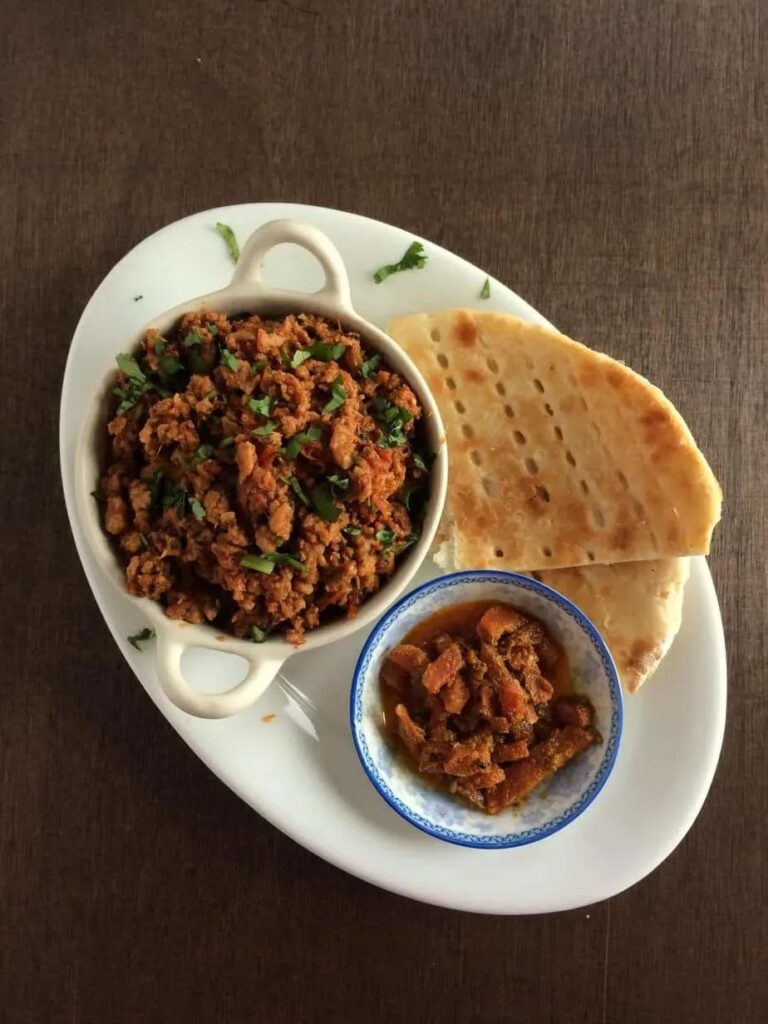
Half a kilo of ground beef or lamb. One large onion, two tomatoes, a good tablespoon of ginger garlic paste, one or two green chilies sliced, cumin seeds, a couple of cloves, a small cinnamon stick, coriander powder, red chili powder, turmeric, garam masala, salt, oil, fresh cilantro to finish.
Cooking It Step by Step
Heat four tablespoons of oil in a wide pan. Add the whole spices first — the cumin seeds, cloves, and cinnamon — and let them sizzle for thirty seconds. Add the onion and cook on medium-high, stirring regularly, until it’s deep golden brown all over. Don’t skip the colour here either. Same rule as the aloo.
Add ginger garlic paste and the green chilies. Cook for two minutes. Add both tomatoes along with coriander powder, red chili powder, turmeric, and salt. Now do the bhunna — stir, press, stir, press, keep the heat at medium to medium-high, and cook until the tomatoes are completely gone into the masala and oil is visibly separating out. The masala should look thick and almost paste-like. Ten minutes roughly.
Add the ground meat. Break it apart immediately with your spoon in a circular motion so it doesn’t cook in one big clump. Keep stirring for the first three or four minutes. Once the meat is browned throughout, turn the heat to medium-low, put the lid on, and cook for fifteen minutes. Take the lid off, sprinkle garam masala over the top, stir it in, and cook on medium heat for another five minutes until any extra moisture dries up and the keema looks glossy.
Cilantro on top. Lemon on the side. Very important: don’t add water while the meat is cooking. Ground meat releases its own liquid. Adding water at that stage makes the keema stew-like instead of the dry, fragrant texture it should be.
Chicken Karahi — The One Worth Showing Off
Once you’ve cooked the three recipes above a couple of times each, karahi is ready to attempt. It looks impressive, it smells incredible, and people always ask for seconds. The technique is bhunna taken seriously, and the tomatoes are everything.
Ingredients for Karahi
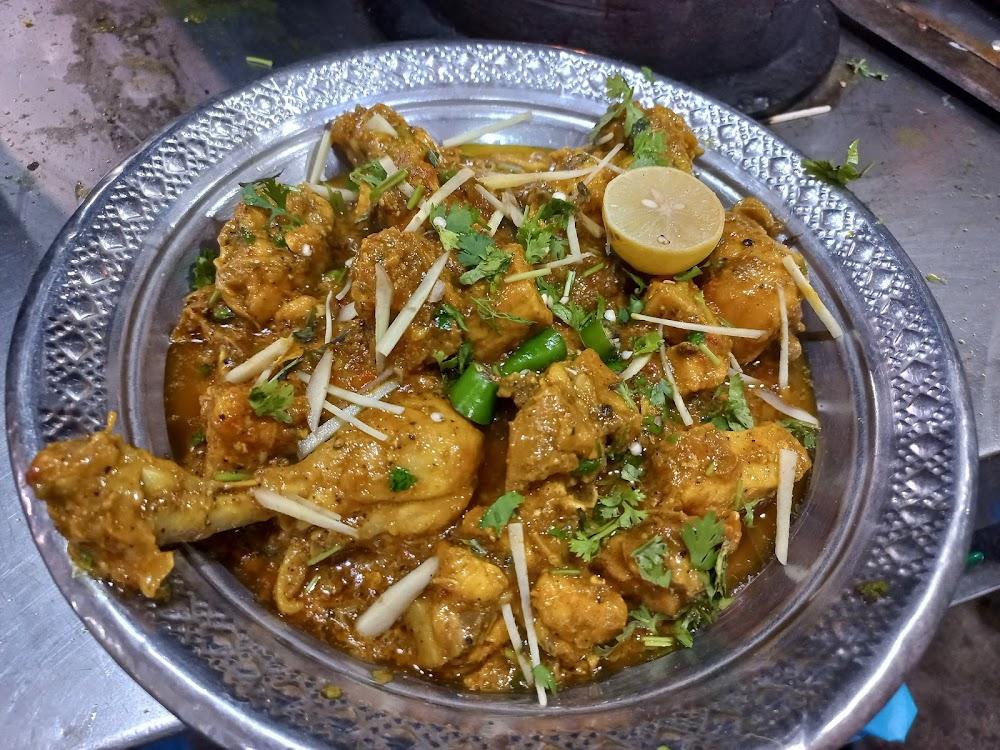
One kilo of bone-in chicken — thighs and drumsticks work best and stay juicier than breast meat. Three large tomatoes, ginger garlic paste, cumin seeds, red chili powder, Kashmiri chili powder, coriander powder, black pepper, garam masala, fresh ginger cut into thin strips, green chilies, cilantro, oil.
Cooking It Step by Step
Heat a generous amount of oil in your widest, heaviest pan. A proper karahi is ideal, cast iron works too. Get the oil properly hot, then add the chicken pieces and sear on high heat until they’re golden on the outside — about three to four minutes per side. Take them out and set them aside. Don’t cook them through yet, just get colour on the outside.
In the same oil, add a teaspoon of cumin seeds, then immediately add the ginger garlic paste and stir for a minute. Add all three tomatoes, the red chili powder, Kashmiri chili, coriander powder, and salt. Now bhunna seriously. Medium-high heat, constant stirring and pressing, until those tomatoes are completely cooked down into a thick, fragrant, deeply coloured masala and the oil separates clearly. This takes ten to twelve minutes and the temptation to move on early is real — resist it. Undercooked tomatoes give the whole dish an acidic, raw edge that no amount of garam masala fixes later.
Put the chicken back in and stir to coat every piece. Add about a quarter cup of water, put the lid on, and cook on medium heat for twenty minutes. Then remove the lid, crank the heat to high, add garam masala and a generous grind of black pepper, and cook for five more minutes until the gravy reduces down and clings to the chicken rather than sitting as liquid in the pan.
Lay the julienned ginger and sliced green chilies on top. Cilantro over everything. Serve straight from the pan with fresh naan or roti.
Mistakes That Will Quietly Ruin Your Cooking
Pale onions are the most common problem, full stop. When a recipe says golden brown, it means brown. Actual brown, with some crispiness at the edges. Stopping at pale yellow gives you a weak flavour base that no spice in the world can rescue.
Drowning things in water is the second one. Pakistani cooking doesn’t work like a stew. You’re building a masala, not making soup. Add water only when something is genuinely sticking and burning, and add it in small amounts.
Old spices are a sneaky culprit. Open your red chili powder and smell it — it should have a sharp, peppery smell that makes you pull back slightly. If it smells like nothing, it tastes like nothing. Spices from a South Asian grocery that sells high volumes of stock stay fresh longer than spices sitting in a supermarket for a year.
Rushing the bhunna step happens to everyone at the beginning. The masala looks cooked, smells cooked, and you want to move on. Give it three more minutes anyway. The flavour in those final minutes is disproportionate to the time.
A Few Tools Worth Having
A proper steel karahi from a South Asian kitchen shop costs almost nothing and makes a real difference for high-heat cooking. If you can’t find one, cast iron is the best substitute.
For ginger garlic paste, a small personal blender makes a big batch in two minutes. Some people use an ice cube tray to freeze individual portions so they always have fresh paste ready without making it every time they cook.
Food Fusion on YouTube is where I’d send any beginner who wants to see Pakistani cooking done properly on video. Watching someone do the bhunna step in real time teaches you more than reading about it does. Mubashir Saddique’s channel is good for simple everyday cooking that doesn’t require twenty ingredients.
The Truth About Getting Better at This
Cooking Pakistani food well is not a talent thing. It really isn’t. My khala who takes the spoon out of my hand learned from her mother the same way I’m still learning from watching her. Repetition is what builds the instinct.
Cook the daal three times. Then cook the aloo three times. By the time you get to keema you’ll already be making decisions without measuring — a little more chili, a little less water, let the onion go a bit darker this time. That’s when cooking stops feeling like following instructions and starts feeling like actually cooking.
Pakistani home food doesn’t need to be restaurant level to be good. A daal made with fresh tarka and proper salt, served hot over rice with raw onion on the side — there are restaurants charging serious money for something that’s worse than what you can make in your own kitchen in forty minutes.
My daal still isn’t as good as my khala’s. Probably won’t be for another ten years. But people finish their plates when I make it now, and that’s enough to keep going.