

Before the Moment Passes You By
My cousin got promoted to senior manager after six years of grinding at a company that barely noticed her. When the email came through, she screenshotted it, sent it to the family WhatsApp group, and then went back to answering other emails. No dinner. No cake. No even telling her husband until he asked why she seemed distracted at dinner.

She told me about it three weeks later like it was a footnote.
That stuck with me. Not because she did anything wrong — she was tired, the promotion felt overdue, and celebrating alone felt awkward. But three years later she told me that she sometimes wished she’d marked it somehow. Something small even. Because now it just feels like a blur she passed through without stopping.
That’s the thing about milestones. They don’t wait for you to be ready to celebrate them. Life moves fast enough that if you don’t pause on purpose, the moment is just gone.
Why We Brush Past the Big Moments
There’s a weird guilt around celebrating yourself that nobody talks about. You finish something hard — a degree, a business year, a health goal, a difficult chapter of life — and instead of sitting in it for even a moment, you immediately pivot to what’s next. What else needs doing. What you haven’t achieved yet.
Part of it is how productivity culture works. Rest feels like falling behind. Celebration feels indulgent. And so the milestone gets a nod, maybe a social media post, and then life carries on like it didn’t happen.
Part of it is also that people genuinely don’t know how to celebrate well. A dinner reservation feels like too much pressure. A party feels like too much effort. Doing nothing feels wrong. So they end up doing something vague and forgettable and wonder why the milestone didn’t feel meaningful.
Celebrating well is actually a skill. Nobody teaches it. Most people figure it out by accident or by watching someone else do it right once and thinking — oh, that’s how it’s done.
What “Celebrating the Right Way” Actually Means
It doesn’t mean throwing an expensive party. It doesn’t mean making a big public announcement. Celebrating a milestone the right way just means acknowledging it in a way that matches what it meant to you — not what you think it should look like.
Some milestones deserve a whole event. Some just deserve a quiet afternoon where you let yourself feel proud. The mistake is applying the wrong kind of celebration to the wrong kind of moment.
A first job out of college feels different from a ten-year work anniversary. Finishing a creative project feels different from paying off a loan. Each one deserves recognition, but the shape of that recognition should fit the milestone — not a template.
The other thing that makes celebration meaningful is intention. You can go to a fancy restaurant and spend the whole dinner on your phone and feel nothing. Or you can sit at a kitchen table with one person who actually understands what you went through, and feel everything. The setting matters less than the presence you bring to it.
Milestones Worth Celebrating That People Often Skip
Some milestones are obvious. Birthdays, weddings, graduations — the world reminds you to mark those. But there’s a whole category of significant moments that people quietly pass through without any acknowledgment at all, and those tend to be the ones that stick around as quiet regrets.
Personal Growth Milestones
Getting through a hard year. Ending something that wasn’t working. Finally doing the thing you kept postponing. Choosing yourself in a situation where you previously wouldn’t have.
These don’t come with a ceremony. Nobody sends a card because you finally set a boundary or because you survived something that nearly broke you. But they’re real, and they matter, and your nervous system knows the difference between a year where you grew and one where you stood still.
Marking these moments — even privately — does something for your sense of self that accumulates over time.
Career and Financial Milestones
The first paycheck from work you actually chose. Hitting a savings goal that took years. Getting a client you almost didn’t pitch to. Making it through a career transition that felt like walking a tightrope.
These are worth pausing for. Not to perform success for other people. But because your future self will want to remember that you did it — and that you knew you did it when it happened.
Relationship and Family Milestones
Not just the anniversaries society reminds you of. The quieter ones. A conversation you finally had. Watching a child do something independently for the first time. Rebuilding something with someone after a hard period. Reaching a point in a friendship where you both know it’s the real kind.
How to Plan a Milestone Celebration That Actually Feels Good
Most people overthink celebration to the point of doing nothing, or underthink it to the point of doing something they don’t really enjoy. Neither works.

Step One: Decide What This Milestone Actually Meant to You
Before thinking about logistics, sit with the milestone itself for a moment. What did you give up to get here? Who helped you? How long did this take? What did you feel the moment it happened?
Getting specific about the weight of the moment helps you figure out what kind of recognition it deserves. Something that took five years of hard work probably deserves more than a quick toast. Something small but personal might just need a quiet acknowledgment shared with one right person.
Step Two: Choose the Scale Honestly
There’s no shame in a small celebration. There’s also no shame in going big if the moment calls for it. What matters is that the scale fits the milestone and fits your energy.
If you’re an introvert who finds parties draining, throwing yourself a party for your own milestone is probably not going to feel the way you want it to. A solo dinner at a restaurant you’ve wanted to try, or a long walk with your closest friend, or a weekend away — those are celebrations too.
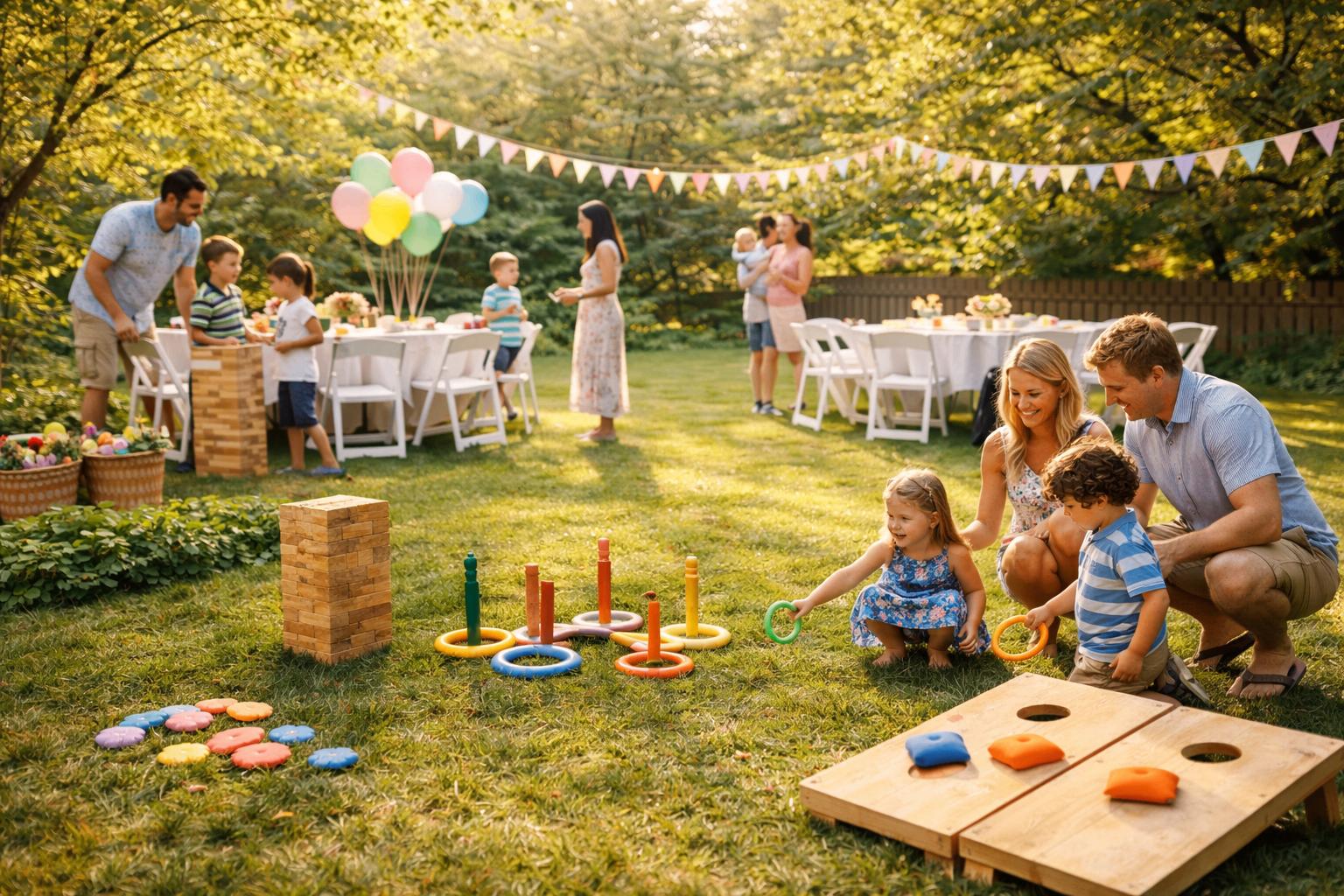
If you’re someone who gets energy from people, gathering the ones who matter for an evening might be exactly right. Keep the guest list to people who actually know what you accomplished, though. Celebrating with people who don’t really understand what you went through dilutes the meaning.
Step Three: Build in a Moment of Real Reflection
The thing most celebrations miss is the pause. Everyone is focused on the food, the logistics, the photos, the conversation — and the actual meaning of the moment never gets acknowledged.
Build in a specific moment where you say something real. This could be a toast where you actually tell the story of what this milestone cost you. It could be writing a letter to yourself that night. It could be a conversation over dessert where you ask the people with you to share a memory from the journey.
That deliberate pause is what separates a forgettable dinner from a moment you’ll actually remember.
Step Four: Create Something Physical to Mark It
Memory is fragile. Events blur. Without something concrete to anchor a milestone, even meaningful celebrations fade faster than you’d expect.
This doesn’t have to be elaborate. Some people keep a journal specifically for milestones — a sentence or two for each one, written the same day. Some people take a photo not of the event but of something that represents the journey: the workspace where they spent hundreds of hours, the running route where they trained, the notebook filled with crossed-out ideas.
Others buy something small and specific that they’ll use regularly and that carries the memory. Not as a reward exactly, but as a marker. A watch bought the day something finished. A book purchased from a specific city where a chapter of life ended. Objects that carry context become something different from ordinary objects over time.
Step Five: Share It With the Right People
Celebrating alone has real value. But sharing a milestone with someone who genuinely understands what it meant to you adds a layer that solo celebration can’t replicate.
The key word is genuinely. The right people for a milestone celebration aren’t necessarily the most important people in your life in general — they’re the people who were part of the story, or who watched you go through it, or who will actually feel the weight of what you accomplished when you tell them.
One person who really gets it is worth twenty people who are just glad for a reason to get together.
Celebrating Milestones With Other People — Making It About Them
When someone you love hits a milestone, the most common mistake is making the celebration about what you think they’d want rather than what they actually want.

Some people want a surprise. Others find surprises mortifying. Some want a group around them. Others want one quiet dinner. Some love the spotlight. Many hate it even when they’ve accomplished something genuinely impressive.
The simplest way to get this right: ask, or pay attention. If the person has mentioned a restaurant they’ve wanted to try, book it. If they’ve talked about wanting to escape for a weekend, coordinate that instead of a party. If they tend to deflect praise in groups but open up one-on-one, a dinner for two might land better than a gathering of twenty.
The gesture that fits the person beats the grand gesture every time.
Writing a Message That Actually Means Something
Cards and messages for milestones tend to be generic because people reach for safe phrases under pressure. “Congratulations on your achievement” tells someone nothing about what they mean to you or whether you understand what they went through.
The messages people actually keep are the specific ones. Reference something real. A moment you witnessed. A conversation you remember. What you noticed them sacrifice to get here. What you’ve seen change in them. Those details transform a nice message into something the person will read more than once.
Apps like Canva let you design a printed card if you want something physical. Artifact Uprising does photo books and prints if you want to compile photos from the journey into something tangible. Neither is expensive and both hit differently than a text message.
Common Mistakes That Flatten the Celebration
Waiting until everything feels perfect before celebrating anything is probably the most common one. Some people spend years telling themselves they’ll properly celebrate when the next thing happens, or when they have more time, or when it feels more official. Years pass. They have a collection of unmarked milestones and a vague feeling of never quite arriving.
Celebrate now. Imperfectly, even. The imperfect celebration that actually happens beats the perfect one that never gets organized.
Comparing your milestone to someone else’s is another one. Your milestone is yours. The fact that someone else’s version of the same achievement looks bigger from the outside doesn’t change what yours cost you or what it meant. Comparison is a quick way to drain the energy out of something real.
Overcelebrating things you don’t actually care about is subtle but real. Social pressure makes people throw parties for milestones that don’t mean much to them personally, while skipping the ones that actually do. If a birthday is genuinely just a day to you, don’t throw a party out of obligation and then feel nothing. Save that energy for something that actually matters to you.
Waiting for other people to initiate the recognition is also a trap. Especially in workplaces, people sometimes accomplish significant things and then quietly hope someone notices and does something about it. Sometimes that happens. Often it doesn’t. Advocating for your own recognition — even just saying “this was a big deal and I want to mark it somehow” — is not arrogant. It’s honest.
Small Ways to Celebrate That Don’t Cost Much
Not every milestone comes at a time when money or energy are available. Small celebration is still real celebration.
Writing yourself a letter the night of the milestone, sealed and opened a year later, costs nothing and is one of the more powerful things you can do. Future you reading it is a genuinely moving experience — because time changes your perspective on what you went through, and the letter from the day it happened captures something honest that memory will soften.
Cooking a meal that feels special, even at home, marks an occasion differently than an ordinary dinner. The act of choosing it and making it is part of the ceremony.
Taking the day off and doing exactly what you want — not errands, not productivity — is a form of celebration that people underrate. A day where you answered to nobody and did only what you felt like doing, in acknowledgment of something you accomplished, is meaningful.
Calling the person who believed in you when you weren’t sure you believed in yourself is one of the better ways to close a loop. Telling them what happened, and that you thought of them when it did, costs nothing and tends to matter deeply to both people.
Milestones and the Longer View
There’s a reason people who look back on their lives with satisfaction tend to be people who marked their experiences as they happened — not just the big external ones, but the private internal ones too.
The practice of pausing to acknowledge where you are, what you’ve done, and what it cost you builds something over time. Self-awareness. Gratitude that doesn’t feel performed. A sense of your own life as a series of real chapters rather than a blur of tasks.
My cousin got a second promotion last year. This time her husband booked a table at a place she’d been wanting to try for two years. They told the story of the whole journey — the early starts, the meetings that went badly, the year she nearly quit. They stayed until the restaurant closed.
She told me about it the next day. Not as a footnote. As the whole story.
That’s what celebrating a milestone the right way actually looks like. Not the venue or the budget or the guest list. Just the decision to stop, recognize what happened, and let it mean what it means before life moves on to the next thing.