
(And Why We Keep Overlooking Them)
There was a period in my late twenties where I was genuinely convinced that life would feel better once something big happened. Once I got the better job. Once I moved to a bigger place. Once I paid off that one debt or hit that one number in my bank account.

Nothing wrong with those goals. But I was so locked onto the horizon that I stopped noticing what was actually in front of me — and looking back, those years were full of small things I barely registered at the time. A good cup of tea in the morning before the house got loud. The twenty-minute walk between the train station and my office where I had actual quiet. The neighbor who always waved. None of it felt significant. All of it, I now realize, was the texture of being alive.
The thing that shifted my thinking wasn’t a book or a podcast. It was a conversation with my grandmother where she talked about her happiest memories and not one of them was a grand event. Every single one was small. Specific. Sensory. The smell of bread her mother made on Fridays. The weight of her father’s hand on her shoulder. Watching rain from a particular window in a house that no longer exists.
That was the moment I started paying attention differently.
Why Life Can Feel Oddly Empty Even When Things Are Fine
This is a feeling a lot of people recognize but struggle to name. Everything is objectively okay. You’re not in crisis. Nothing is dramatically wrong. But life feels thin somehow — like you’re moving through days without really landing in them.
Psychologists sometimes call this hedonic adaptation. It’s the brain’s tendency to return to a baseline emotional level regardless of what happens, good or bad. A raise feels great for two weeks and then becomes the new normal. A new apartment is exciting for a month and then just becomes where you live. The brain is efficient, not sentimental.
The problem is most people respond to that flatness by chasing bigger things. A bigger raise. A better apartment. A more impressive experience to post about. The cycle repeats, the baseline resets, and nothing ever quite feels like enough.
What actually interrupts that cycle is attention to small things — not because small things are a consolation prize for bigger ones, but because small things are genuinely where most of life happens. The ratio is not even close. You will spend far more hours making coffee, commuting, cooking, walking, and sitting in ordinary rooms than you will spend at milestone events. What those hours feel like is what your life actually feels like.
The Specific Small Things Worth Paying Attention To
Not all small things are equal. Some are just filler. Others carry real warmth when you actually notice them. Here’s what tends to matter most, drawn from conversations and personal experience rather than theory.
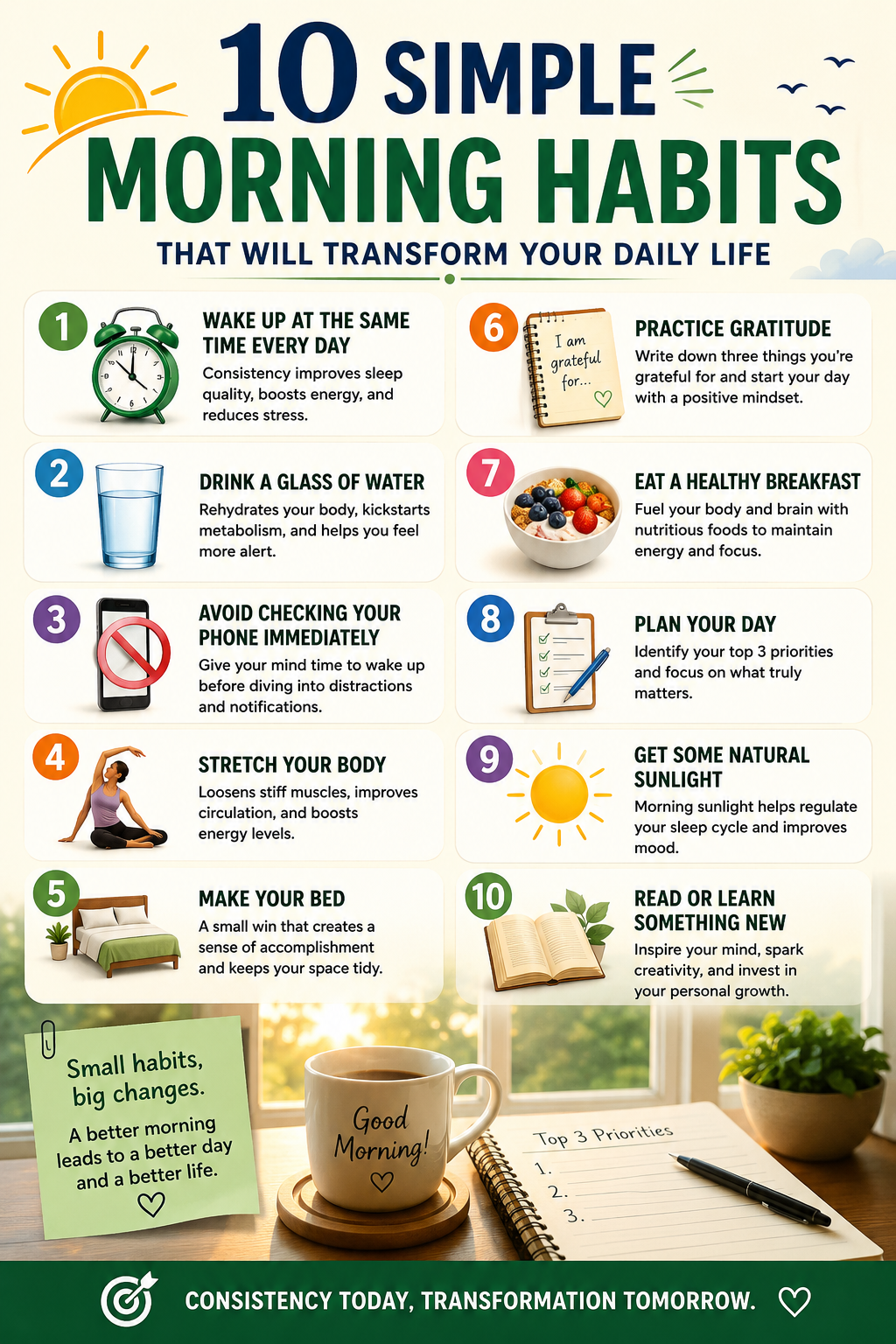
Morning Rituals That Belong Only to You
The first thirty to sixty minutes of the day set a tone that most people hand over immediately to other people’s demands — phone notifications, news, messages, the mental list of what needs to happen.
Before any of that starts, there’s usually a window. Small, sometimes just ten or fifteen minutes, but genuinely yours.
What you do with that window changes the feel of the whole day. For some people it’s coffee made properly and drunk without multitasking. For others it’s journaling, or stretching, or sitting by a window, or reading something that has nothing to do with work. The specific activity matters less than the fact that it’s intentional and uninterrupted.
The mistake people make is treating this window as wasted time until they start being productive. That thinking misses something important. Starting the day with ten minutes of genuine quiet is not laziness. It’s the difference between choosing how your day begins and having that choice made for you by whoever sent the first message.
The Underrated Power of Having a Regular Place
There’s a coffee shop near where I used to live where I went so often that the person at the counter eventually just started making my order when she saw me come through the door. I didn’t know her name for the first eight months. She didn’t know mine. But that small recognition — that nod when I walked in, the cup ready before I reached the counter — was genuinely something I looked forward to.
Regular places do something that’s hard to replicate. They give you a sense of being a known person in a small geography. The library where the librarian recognizes your face. The park bench you’ve sat on enough times that it feels like yours. The market stall where the vendor knows what you usually buy.
That sense of belonging to a place, even a small one, is quieter than belonging to a community but it’s real. Especially for people who live alone or who work from home and can go days without meaningful social contact.
Finding your regular place takes almost no effort. It just takes going back enough times to let a pattern form.
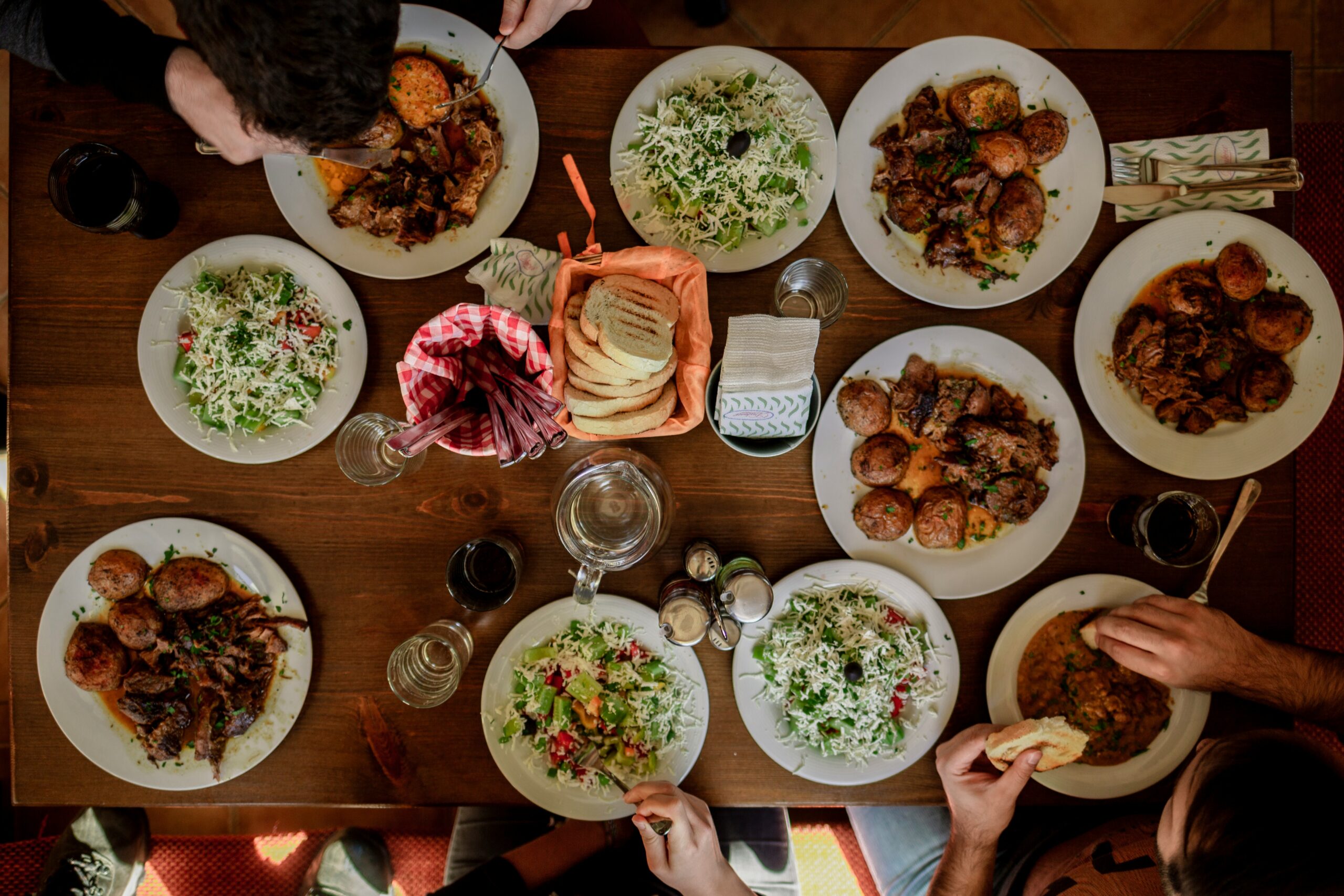
Cooking Something From Scratch
Not every day. Not even every week necessarily. But there’s something specific that happens when you make food from raw ingredients that ordering delivery never replicates.
Part of it is sensory — the smell of garlic in oil, the sound of something simmering, the physical act of chopping. Part of it is the particular satisfaction of eating something you made with your own hands. Part of it is also the forced slowness of it. Cooking can’t really be rushed beyond a certain point. You have to be present in a way that most modern activities don’t require.
The dishes that tend to give the most satisfaction are not the impressive ones. A simple pasta done well. Bread that actually turned out. A soup made from whatever was in the fridge that somehow worked. The gap between the effort and the pleasure is what makes it feel rich.
Finishing Things
Left undone, small tasks accumulate into a low-grade weight that’s easy to stop noticing because it’s always there. The book half-read that you feel mildly guilty about every time you see it. The email draft that’s been sitting for a week. The object that needs returning or the call that needs making.
Each unfinished thing takes up a small amount of mental space. None of them feel urgent. Together they create a background hum of incompleteness that quietly drains energy.
Finishing things — even small ones — does something for your sense of aliveness that’s hard to explain until you experience it. Not productivity for its own sake. Just the clean feeling of a thing that was open, now closed.
Building a Life That Feels Rich Without Overhauling Everything
The gap between a life that feels flat and one that feels full is often smaller than people assume. It’s not about restructuring everything. It’s usually about a handful of intentional changes that compound over time.

Notice What You Actually Enjoy, Not What You Think You Should
Most people have a vague sense of what they’re supposed to find meaningful — travel, social events, certain hobbies that look good to mention. Those things might genuinely be meaningful for you, or they might just be things you’ve absorbed from the culture around you.
Spend a week paying attention to when you actually feel good. Not just not-bad. Actually good, in your body, with some warmth in it. Keep a note on your phone and jot down the moment and what caused it.
The results are often surprising. People find they feel genuinely alive during extremely ordinary things — a specific type of music in the car, a particular route they walk, a conversation with someone they don’t see often enough. Others find that things they’ve been doing for years out of habit don’t actually register as enjoyable at all.
This information is useful. You can do more of the first category and less of the second.
Create Small Ceremonies Around Ordinary Things
A ceremony doesn’t have to be spiritual or formal. It’s just the act of doing something with enough attention that it becomes its own event.
Friday evenings in my house became something specific: particular music, a slightly better version of something to drink, a deliberate absence of screens for the first hour. Nothing dramatic. But the repetition turned it into something I genuinely looked forward to by Thursday afternoon. The ritual created anticipation that didn’t exist before.
Small ceremonies can attach to almost anything. The Sunday morning that has a particular shape. The end of a workday marked by a specific action that closes the mental tab on work. The evening walk that happens at the same time enough times to become reliable.
What makes ceremonies work is repetition and intention, not elaborateness. The simpler they are, the easier they are to maintain.
Let Yourself Be Absorbed by Things
Flow is the psychological term for it — the state where you’re so engaged in something that time passes without your noticing. It happens in creative work, in physical activity, in conversation, in reading that really pulls you in, in games that demand your full attention.
The mistake people make is waiting for flow to happen to them. It tends to happen when you’re doing something slightly difficult, something that engages you at the edge of your current ability. Choosing activities that are too easy produces boredom. Choosing ones that are just challenging enough produces absorption.
For some people that’s learning something new — an instrument, a language, a physical skill. For others it’s a specific kind of creative work that they keep postponing because it doesn’t feel practical. For others it’s competition or craft or a problem that resists easy solution.
The absorbed hours feel different from the scrolling hours. Not because one is virtuous and one isn’t, but because absorption produces its own specific satisfaction that passive consumption doesn’t.
Keep Something Growing
Plants are the obvious version of this, and the cliché exists because the experience is real. Something about tending to a living thing — watching it change slowly, noticing new growth, being responsible for something that depends on you in a minimal way — adds a texture to daily life that’s hard to quantify.
But it doesn’t have to be plants. A sourdough starter you’ve kept alive for a year. A piece of music you’re slowly learning. A skill you’re building incrementally. A garden, an aquarium, a piece of furniture you’re restoring.
The common thread is slowness and ongoing engagement. Something that won’t be finished next week, that rewards attention over time, that changes slowly enough that you have to pay attention to notice the change.
Small Things That Rich Inner Lives Tend to Have in Common
After years of paying attention to this — through my own experience and through noticing what seems to make other people’s lives feel full to them — certain patterns show up consistently.

Letters and Messages That Go Beyond the Surface
Most digital communication is functional. Quick, efficient, and shallow. But the messages people actually keep, the ones they re-read, are the ones where someone took the time to say something specific and true.
Writing a real letter — physical or digital — to someone you care about, where you say something genuine rather than check in, is richer for both people than a hundred “thinking of you” texts. The act of writing it makes you articulate something about another person that you might feel but rarely say. Receiving it is a reminder that you’re known.
This doesn’t require special stationery or a particular occasion. A message that says “I’ve been thinking about that conversation we had and wanted to tell you what it meant to me” costs nothing and lands like very few things do.
Reading for Pleasure Without Any Goal Attached
Reading to learn something is useful. Reading for pleasure — where the only criterion is that you want to keep turning pages — is a different experience entirely.
The Libby app connects to public library cards and gives free access to thousands of ebooks and audiobooks. Goodreads is useful for finding what to read next based on what you’ve already loved. Neither matters much compared to the actual habit, which is simply making time to read something purely because you want to, without making it homework.
Sleeping Properly
Not glamorous, but the impact on how life feels is significant enough that it belongs here. Chronic sleep debt is one of the most reliable ways to make everything feel harder, flatter, and less rewarding than it actually is. Fixing sleep doesn’t require supplements or technology. Going to bed at roughly the same time, limiting screens in the hour before, and giving yourself enough hours — eight for most adults — changes the quality of every waking hour.
The reason it belongs in a piece about richness rather than productivity is that well-rested people notice more. They’re more present, more patient, more capable of finding pleasure in small things. Tired people just want to get through the day.
Mistakes People Make When Trying to Make Life Feel Better
Trying to fix everything at once never works. The impulse when life feels thin is to restructure everything — new routine, new habits, new approach to everything simultaneously. That lasts about ten days before it collapses under its own weight. One change at a time, given enough time to stick, is how the texture of a life actually shifts.

Mistaking busyness for fullness is common and quietly corrosive. Being busy feels like being alive in the short term. But busyness without meaning is exhausting rather than rich. The question is not how full the schedule is but whether what’s in it is actually nourishing.
Postponing pleasure until conditions are right is a habit that compounds into a life with very little pleasure in it. The perfect time to start the thing you enjoy, to take the walk, to read the book, to make the meal — it isn’t coming. The good conditions you’re waiting for are roughly the ones you already have.
Consuming other people’s lives instead of living your own is the specific modern version of this. Social media is designed to replace the feeling of experience with the simulation of one. Watching someone else’s beautiful moment is not the same as having your own. It can even make it harder to notice your own because the comparison makes ordinary moments feel insufficient.
What This Actually Looks Like Day to Day
None of this requires a significant life change. The shift is more like adjusting the lens than changing the subject.
A Tuesday that includes a proper lunch break where you actually stop working, a walk that notices the light, a conversation that goes somewhere real, and an evening where you cook something and eat it without the TV on — that Tuesday is rich. It has texture. It doesn’t look like much from the outside. From the inside it feels like a day that happened rather than a day that passed.
That’s what I was missing in my late twenties, watching the horizon. The days that were passing were the days. The small moments I was not quite present for were the moments. The interesting thing is that once you start noticing them, they don’t become extraordinary. They just become visible. And visible turns out to be enough.
My grandmother never had a dramatic life by most measures. She lived in the same small radius for most of her years. But she was one of the most contented people I’ve ever known, and her contentment was not passive or resigned. It was active. She paid attention. She found specific things that gave her pleasure and she did them repeatedly without apology. She let ordinary things be beautiful.
That’s the whole answer, really. The little things make life feel richer when you stop treating them as scenery and start treating them as the point.