

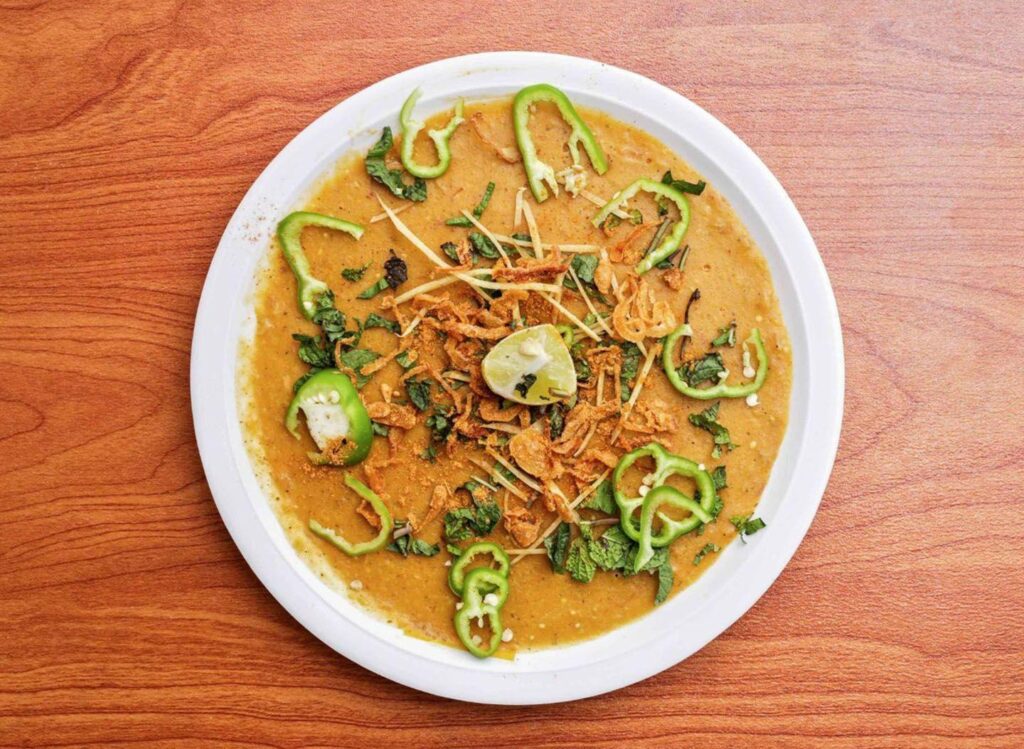
My khala once refused to write down her haleem recipe.
Not because she was being secretive. She genuinely couldn’t. When I asked her how much ginger she used, she looked at her palm for a second, tilted her head, and said, “Bas andaaz se” — just by feel. She had been making that haleem for forty years. The recipe existed somewhere between her hands and her memory, not on any piece of paper.
That moment stuck with me. Because I realized she wasn’t just cooking. She was holding onto something. A story. A version of herself. A connection to her own mother who had taught her the same way, palm to palm, taste by taste, no measurements ever written down.
That’s what food does in Pakistani homes. It carries people.
Why Pakistani Food Hits Different
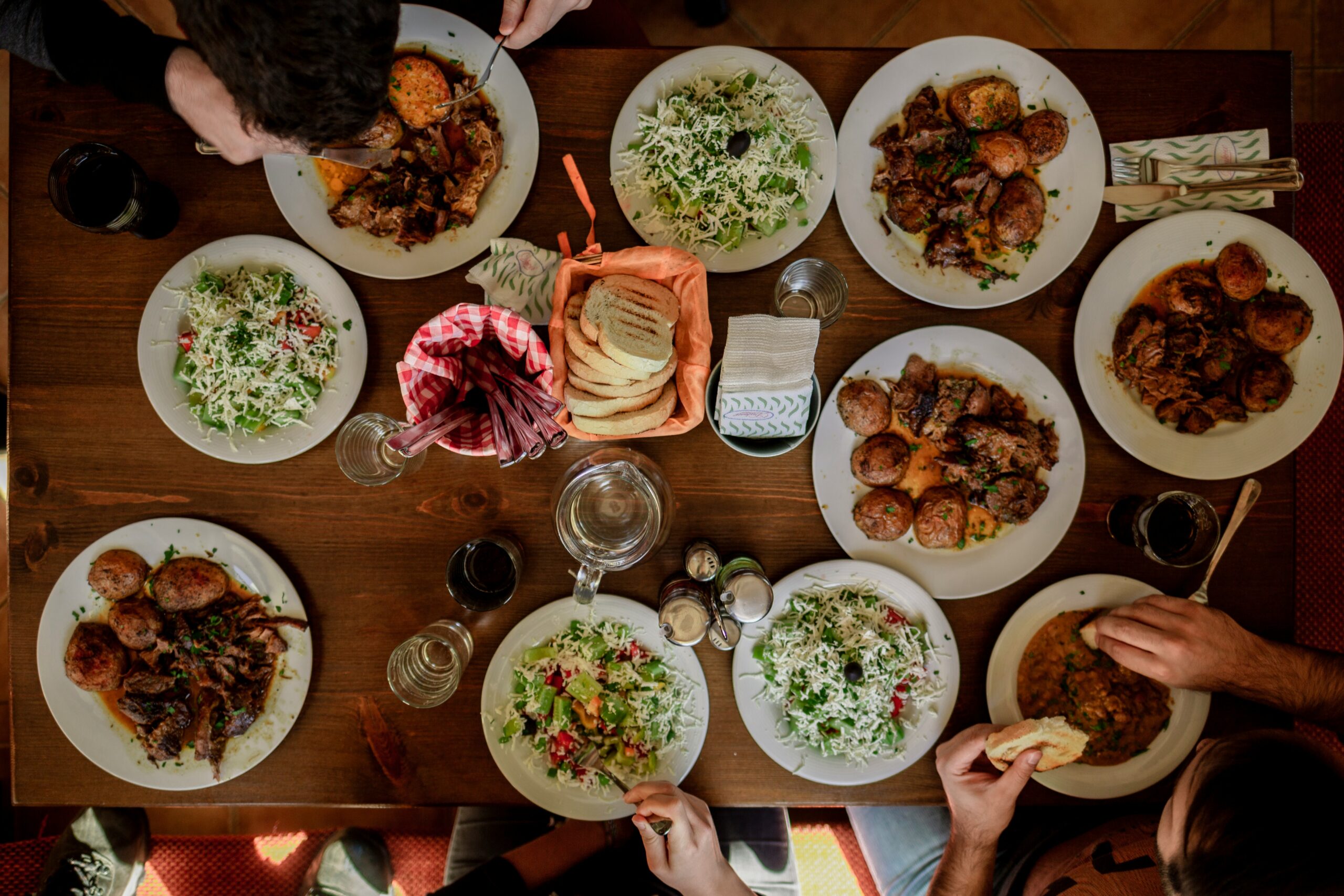
If you have ever sat at a dastarkhan, that big cloth spread on the floor at a family gathering, you already know what I mean.
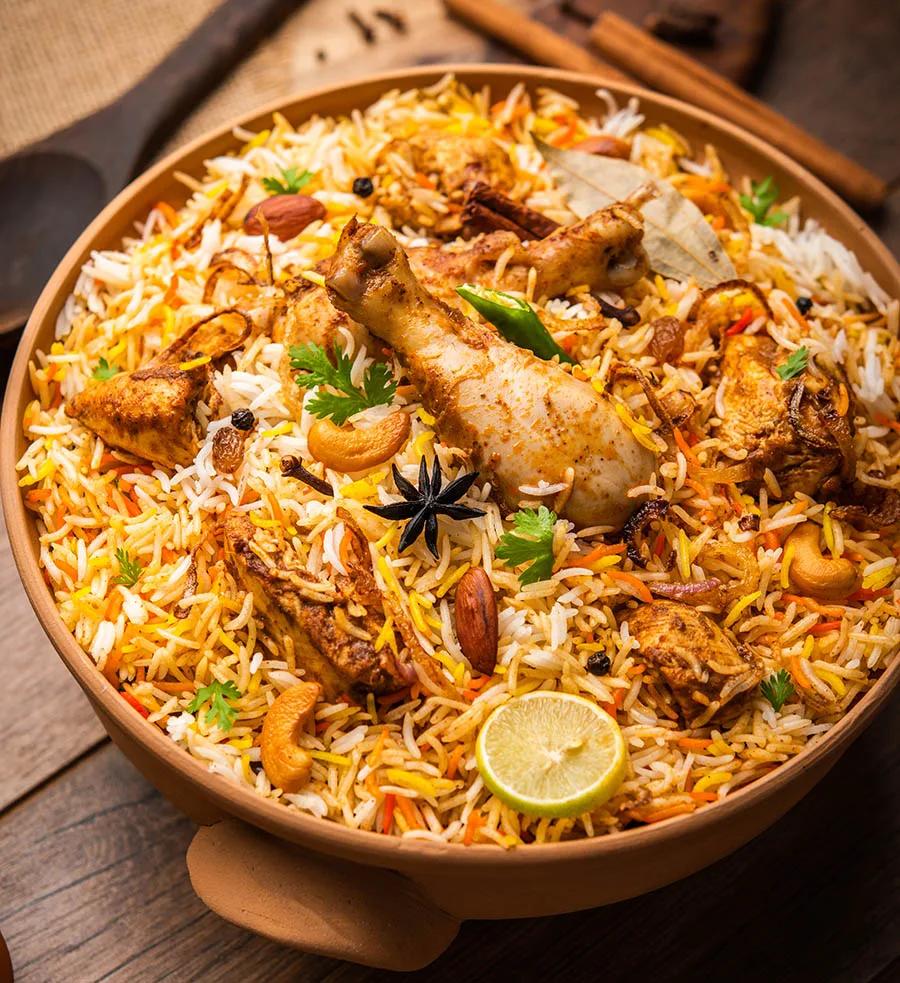
It’s not just biryani. It’s someone’s biryani. The one that Dadi made every Eid. The one where the rice was never mushy and the potatoes were always perfectly cooked even though nobody could explain how. You would watch her in the kitchen and try to memorize every step, but she moved like someone who had done it ten thousand times. Which she had.
Pakistani food is regional, personal, and deeply tied to memory. A nihari from Lahore tastes nothing like one from Karachi. A saag from a Punjabi village household will make you question everything you thought you knew about mustard greens. Sindhi biryani carries a sharpness that Karachiites defend with their whole chest. Peshawari chapli kebabs use ingredients that people in the south have never heard of.
Every region, every city, every family tells a different story. Same country, completely different table.
The Recipes Nobody Ever Wrote Down
Here’s something that happens in almost every Pakistani family: someone passes away, and suddenly a dish disappears with them.
Not because the recipe was complicated. Because nobody ever thought to ask.
I have spoken to so many people who say things like, “My nani used to make this kheer that was different from every other kheer I’ve ever tasted and I have absolutely no idea what she put in it.” Or, “My mother’s aloo gosht had this thing she did at the end, some kind of tempering, but I can’t figure out what it was.”
These aren’t rare stories. They’re practically a Pakistani tradition of their own.
The problem isn’t laziness. It’s that we grow up assuming the food will always be there. We eat it without thinking about learning it. We enjoy it without documenting it. And then one day, the person who made it isn’t around anymore, and neither is the dish.
I lost my nana’s recipe for paye this way. He made it on cold winter mornings, slow-cooked trotters with a broth so deep and warm that one bowl felt like being wrapped in a blanket. After he passed, we all agreed that nobody remembered exactly how he made it. We had a rough idea. But the real thing? Gone.
That’s the kind of loss that doesn’t feel like a loss until you’re standing in your kitchen trying to recreate something and realizing you’ll never quite get there.
What’s Actually Inside a Recipe
When you read a recipe card, you see a list. Chicken, half kg. Onion, two medium. Ginger garlic paste, one teaspoon. Spices.
What you don’t see is that the onions need to be cooked until they’re the color of dark amber and your arm is tired from stirring. That word “spices” actually means a specific blend someone’s family has been using for decades. There’s also the cook’s habit of adding a splash of water right before the masala sticks, a trick learned from watching, not reading.
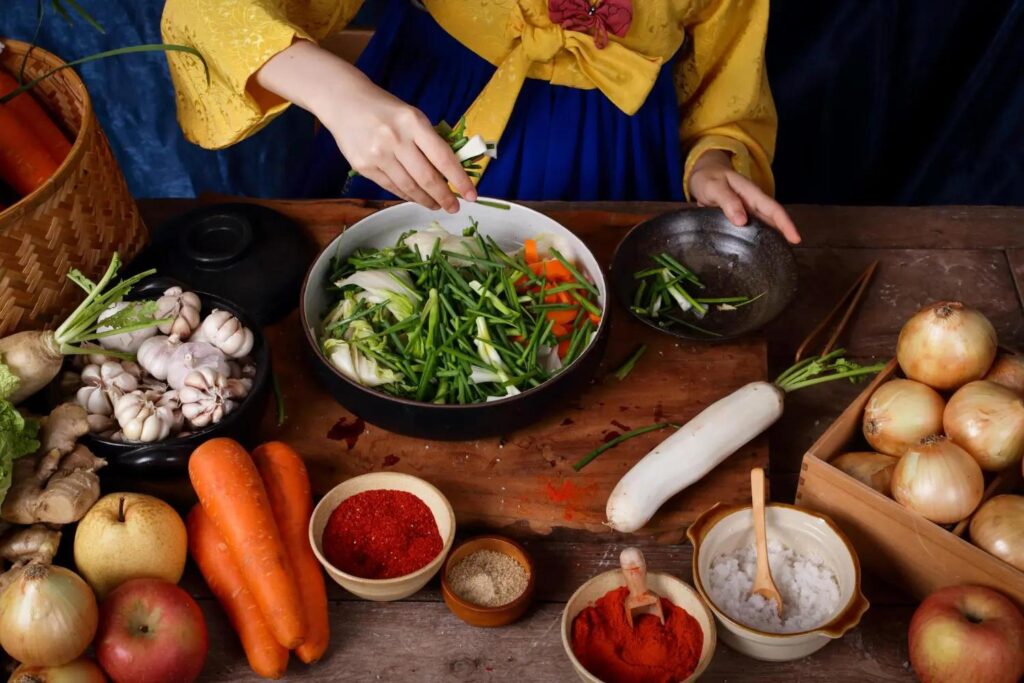
Pakistani cooking especially relies on this invisible knowledge. The technique behind a good karahi isn’t in any cookbook. It’s in the wrist motion when you’re bhunoing the masala. It’s in the sound the oil makes when it separates. It’s in knowing when to turn the flame down without being told.
This is why cooking alongside someone is completely different from cooking from a recipe. And it’s why so much knowledge gets lost the moment we stop cooking together.
How to Actually Preserve Family Recipes Before It’s Too Late
I say this with love: don’t wait. Seriously. Don’t keep telling yourself you’ll do it later.
The single most effective thing you can do is cook alongside, not just watch. The next time an older relative is making something, put your phone down and stand next to them. Ask to help. When you’re involved in the process, you absorb things you would miss if you were just observing from the corner.
Ask “why” more than “how much.” Most traditional cooks can’t tell you exact quantities, but they can tell you why they do something. Why do you add yogurt at this stage? Why do you cover the pot here? The reasoning helps you understand the dish, not just copy it.
Voice record while they cook, or better yet, video it. Most people find it easier to talk while cooking than to sit down and explain a recipe from scratch. Let them cook naturally and just capture it. Apps like Voice Memos or even WhatsApp voice notes work perfectly well for this.
Document the Story, Not Just the Steps
Write the story alongside the recipe. Where did it come from? Who taught them? Has it changed over the years? This context makes the recipe feel alive. A notebook entry that says “Khala Fauzia’s Haleem, learned in 1987 from her mother-in-law in Multan” is so much richer than a laminated card with only measurements.
Make it yourself while they’re still around to correct you. Cook the dish for them and watch their face. They’ll tell you what’s off without even meaning to. That feedback is irreplaceable and you cannot get it from any cookbook or video.
Finally, create a family recipe file somewhere. A shared Google Doc, a WhatsApp group where people post recipes, a physical notebook. Anything works. The point is that the recipes live somewhere outside one person’s memory.
The Unexpected Lessons That Come With the Food
When I started actually learning to cook, not just throwing things together but properly learning, I was surprised by what else came along with it.
Patience, for one. You cannot rush a proper daal makhani. You cannot speed up the process of slowly caramelizing onions for a biryani. Pakistani cooking has a tempo, and if you fight it, the dish will fight back.
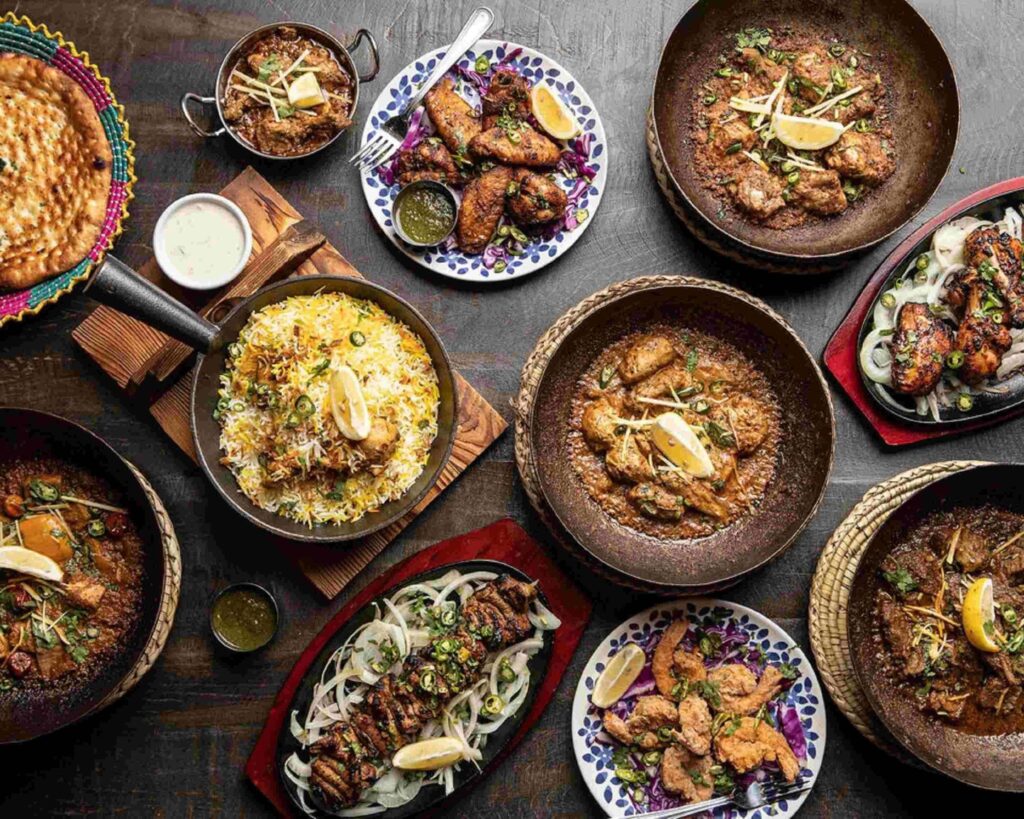
Attention came next. You have to be present. You can’t scroll your phone while bhunoing gosht. The masala will tell you when something is wrong if you’re paying attention. It goes darker. The smell changes. The oil separates. These are signals, and you learn to read them over time.
And then there’s the unexpected emotional part. Cooking your grandmother’s recipe is a strange, quiet kind of grief and joy at the same time. You’re doing something she did, using the same spices, following the same general process. And for a while, the kitchen smells like her kitchen. Like a memory you can actually step into.
I didn’t expect cooking to feel like that. But it does.
The Regional Food Map That Most People Never Fully Explore
Pakistan’s culinary diversity is genuinely underrated, even by Pakistanis themselves.
Most people outside Punjab have never had proper saag with makki di roti the way it’s made in a Punjabi village in January. Most people outside Sindh haven’t experienced Sindhi kadhi or sai bhaji. The seafood culture along the Karachi coast is completely different from how fish is cooked in Khyber Pakhtunkhwa, where the trout from mountain rivers is often prepared with minimal spicing to let the fish speak for itself.
Balochistan has cooking techniques, like meat cooked underground in a saji pit, that feel almost ancient. The flavors are completely their own.
Each of these is not just a different dish. It’s a different story. A different geography, a different set of ingredients that were historically available, a different history of trade and migration and influence. When you eat these foods, you’re tasting all of that history without necessarily knowing it.
Mistakes That Make You Lose the Recipe’s Soul
A few things come up again and again worth avoiding.
Changing everything to make it “healthier” is a common one. Some adjustments are perfectly fine. But if you swap out every ingredient and cut every step that takes time, you no longer have the original dish. You have something new, which is fine, but name it something new.
Only learning from YouTube is another trap. YouTube recipes are helpful starting points, but they’re standardized for a general audience. Your family’s version is specific. A Lahori household’s chicken karahi and a Karachiite household’s chicken karahi are both legitimate and genuinely different. Learning only from videos means losing your family’s particular version.
Assuming you’ll remember is probably the most common mistake of all. You won’t. Memory is surprisingly unreliable for sensory things like amounts and timing. Write it down the first time you make it successfully.
Treating recipes as fixed and permanent is also worth reconsidering. Traditional recipes evolved over generations. Your version will evolve too. That’s not a problem, it’s actually how food stays alive. Just keep the core spirit of the dish intact.
And finally, not sharing what you know. If you’ve learned a family recipe, teach it to someone else. Cook it for people. The recipe survives through use, not through storage.
Food Is How We Remember People
Here’s what I’ve come to believe, having grown up in a household where the kitchen was always busy and the table was always full.
We remember people through food more than we realize.
Years from now, when I’m older, I won’t just miss the people I love. I’ll miss specific things. The smell of my mother’s aloo paratha frying in the morning. The sound of pressure cooker steam releasing when the daal is done. The particular orange of my aunt’s keema filling before she folded the samosas.
These are not just memories of food. They’re memories of people, disguised as food.
That’s why every recipe genuinely has a story to tell. Not because of any poetic reason, but because someone made it. Someone learned it from someone else, changed it slightly, made it their own, and fed it to people they loved. That chain of passing on is what gives the dish its depth.
The next time you sit down to eat something a family member has made, especially something traditional, something that takes time, ask about it. Ask where it came from. Ask what makes their version different. Write it down afterward if you can.
Not for a blog. Not for Instagram. Just for your family. Just so someone twenty years from now can make that dish, smell that smell, and feel for a moment like they’re back at that table with everyone they loved.
That’s the real recipe. The rest is just spices.
Under One Roof: Lessons From Everyday Family Life
“There was a Tuesday evening, nothing special about it, when I watched three generations argue over a TV remote. Moments like these are part of everyday family life—messy, unpredictable, and often filled with lessons you only understand later. Living under one roof has taught me more about patience, communication, and love than any book ever could.”Three generations, one remote, zero agreement. My father-in-law wanted the news. My husband wanted a cricket match. My son wanted cartoons. I stood in the kitchen doorway holding a bowl of daal, watching this tiny standoff, and thought: this is exactly what family life looks like. Messy, loud, and strangely precious.

Nobody talks enough about that. The ordinary friction and the quiet warmth of living under the same roof with people you love but didn’t choose, or maybe did choose, but didn’t fully understand until you were already deep in it.
The Reality of Everyday Family Life
Before my in-laws moved in with us, I genuinely believed that a tight routine would hold everything together. Meals at 7. Kid in bed by 9. Everyone respects the schedule. Done.
That lasted about a week.
My mother-in-law wakes up at 5 AM for prayers and starts making chai, which wakes the dog, which wakes my son. By 6 AM, half the house is already running. My carefully designed “quiet morning routine” was gone before I even had a chance to miss it.
What I learned, slowly and not gracefully, is that multi-generational households don’t run on your schedule. They run on a negotiated, constantly shifting rhythm that belongs to everyone. The sooner you stop fighting it, the easier life gets.
Lesson 1: Communication Is the Load-Bearing Wall
You know how in construction, if you knock out a load-bearing wall, the whole structure comes down? In a family home, communication is that wall.
The biggest blow-ups I have seen, in my own house and in the families around me, happen not because people are bad or selfish, but because nobody said what they actually needed.
My husband assumed I was fine handling dinner every night because I never said otherwise. I assumed he knew I was exhausted because it seemed obvious. We were both wrong, and we were both silently building resentment like it was a second job.
A few things that genuinely helped us:
A weekly 20-minute check-in. Not a formal meeting, just sitting down after the kids are in bed and talking about what felt hard that week and what felt good.
Being specific rather than accusatory. “I felt overwhelmed on Thursday when I had to manage dinner, homework, and your parents’ doctor visit at the same time” lands very differently than “You never help.”
Including the elders in decisions. This one was harder. In many South Asian households, including ours, you don’t sit down and have a formal talk with your in-laws about household dynamics. But gently, over time, looping them in on small decisions, like rearranging the kitchen or changing grocery day, made them feel valued rather than managed.
Lesson 2: Every Generation Has a Different Emotional Language
My son deals with frustration by crying and slamming doors. My husband goes quiet. My mother-in-law sighs, loudly, dramatically, repeatedly. My father-in-law simply disappears into the garden.

None of them are wrong. They are just running different emotional software.
One of the most useful shifts I made was to stop trying to get everyone to communicate the same way. Instead, I started learning to read each person’s version of “I’m upset” or “I need support.”
When my mother-in-law starts sighing, I’ve learned to make her a cup of tea and sit next to her. That’s usually enough. She doesn’t need me to fix anything. She needs to feel noticed. When my husband goes quiet, he needs space first, conversation later. When my son slams a door, he needs five minutes, then a hug, then a talk.
The mistake I kept making early on was treating everyone’s emotional expression as a problem to solve immediately. It isn’t. It’s a signal in a language you have to learn.
Lesson 3: Chores Are Political. Accept It and Work With It.
Nobody warns you how loaded a dirty dish can become.
In our house, there were invisible rules I didn’t know existed until I broke them. My mother-in-law believes the kitchen should be cleaned immediately after cooking, not after eating. I had always cleaned up after dinner. To her, this was baffling and borderline offensive.
Neither of us was wrong. We just had different ingrained standards from different households.
What helped was making those invisible rules visible, without judgment. We sat down one weekend and listed who does what, and more importantly, when and how. It felt a little silly. But it saved us months of passive-aggressive dish-related tension.
Some things that have worked well for us:
Assign rather than assume. If nobody has officially taken ownership of a task, it will either be done grudgingly by one person or ignored entirely.
Respect different standards without abandoning your own. If your in-laws prefer hand-washed dishes over the dishwasher, find a middle ground. Delicates get washed by hand, everything else goes in the machine.
Rotate the heavier tasks. Deep cleaning, grocery runs, weekend cooking. Rotate so no one becomes the permanent default.
Try a shared list or app. We started with a whiteboard, then moved to Google Keep. Some families swear by apps like OurHome or Tody for tracking household tasks. It sounds like overkill until you realize it removes the constant mental math of who did what last.
Lesson 4: Children Are Watching Everything
My son once told a school friend, “Dadi says you should always respect elders, but Mama says everyone deserves respect.” His teacher brought it up at the parent-teacher meeting, genuinely charmed.
I felt proud and a bit sheepish, because honestly, there had been moments when those two ideas clashed loudly in our house with him standing right there.
Kids absorb everything. The way you speak to your spouse when you’re tired. How you handle disagreements with the in-laws. How you react when plans fall apart. They are cataloguing it all.
This isn’t a reason to perform perfect behavior around the clock, which is exhausting and impossible anyway. It’s a reason to be intentional about repair. If you lose your temper, come back and acknowledge it. If you and your spouse disagree in front of the kids, let them see you work through it, not just the argument.
Some of the best lessons my son has picked up weren’t things I taught him directly. They came from watching his grandfather fix things patiently, watching his grandmother pray every morning without fail, and watching his father apologize to me after a rough night.
Lesson 5: Alone Time Is Not a Luxury, It’s Maintenance
I want to say this clearly, because it took me far too long to believe it: needing time alone does not mean you don’t love your family.

Living with six people, two kids (we had a second a few years in), two in-laws, a husband, and a dog who absolutely thinks he counts, means there is almost never real silence. For someone who recharges alone, this is genuinely draining.
For the first year or two, I felt guilty about wanting to close a door. I thought it meant I wasn’t adapting well, or that I was being selfish.
What I understand now is that resentment is expensive. An hour alone, walking, reading, sitting in a quiet café, costs almost nothing compared to burning out and becoming irritable, withdrawn, or emotionally checked out.
A few practical ways to carve out that time:
Say it plainly without apologizing. “I’m going to take an hour this afternoon to rest” is a complete sentence.
Wake up before everyone else. It sounds rough, but 45 minutes before the house stirs can feel like a gift.
Take turns with your spouse. Saturday mornings he takes the kids and in-laws. Sunday mornings I do. We protect this like a standing appointment.
Get a pair of noise-canceling headphones. Ours are the Sony WH-1000XM5. Easily one of the better investments we have made for household peace.
Lesson 6: The Table Is Where Everything Happens
This one sounds small. It isn’t.
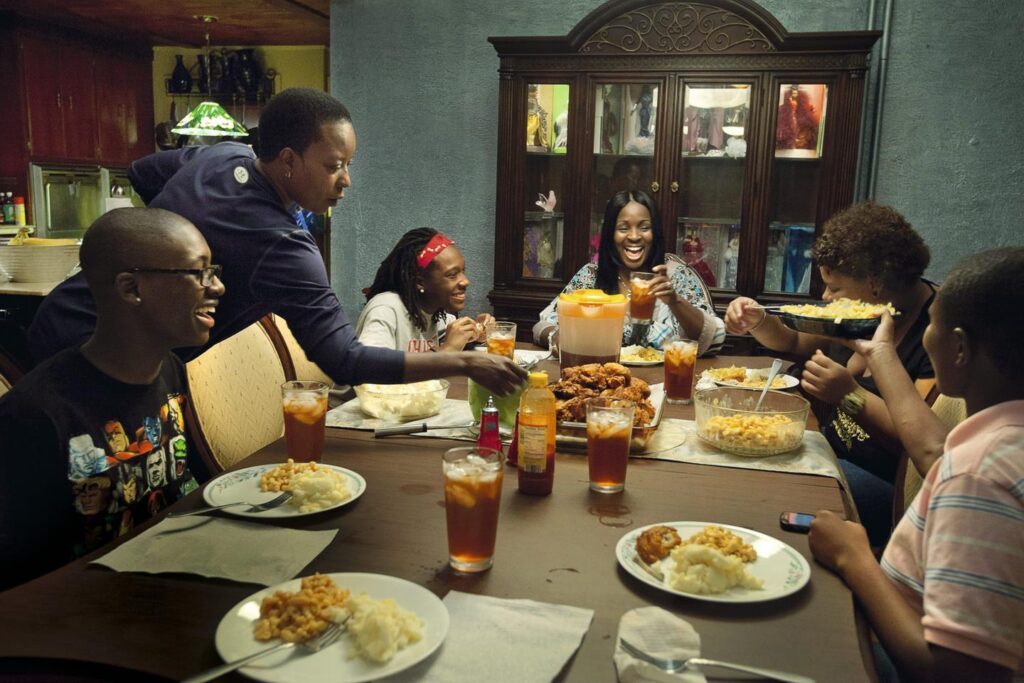
Eating together, not every meal, not rigidly, but regularly, is one of the most grounding things a family can do. Not for some grand sentimental reason, but because it’s one of the few moments in the whole day when everyone is in the same room, not on a screen, doing the same thing.
Some of our best conversations have happened over rotis at 8 PM. Some of our funniest arguments too. The great Karachi versus Lahore biryani debate of 2023 remains officially unresolved.
Shared meals don’t need to be elaborate or Pinterest-worthy. Even a simple dinner at the table with phones face-down does something to a household’s atmosphere that’s genuinely hard to recreate any other way.
Common Mistakes Most Families Make (Including Me)
Trying to resolve everything immediately. Some conflicts need time to breathe before anyone is ready to talk them through properly.
Keeping score. “I did the dishes three times in a row” poisons goodwill faster than almost anything.
Expecting gratitude constantly. You will do a lot of invisible work that no one will acknowledge. Do it anyway, and occasionally say out loud what you need recognized.
Letting small resentments pile up. Address the small thing before it quietly becomes the big thing.
Comparing your family to others. Your neighbor’s calm household has its own chaos. You just don’t see it from the outside.
What Nobody Tells You About Everyday Family Life
Here’s what I wish someone had told me before I was deep in all of it:
Family life doesn’t get easier in a straight line. It gets easier in patches. Some seasons are genuinely hard, a new baby, a health scare, a financial strain, a teenager, grief. And then there are stretches where everything just clicks, and you look around the dinner table on a Wednesday night and feel quietly, almost absurdly grateful for this particular, imperfect arrangement of people.
The goal isn’t a conflict-free home. It’s a home where people feel safe enough to be honest, where things get repaired when they break, and where everyone, from the youngest child to the oldest grandparent, feels like they genuinely belong.
That’s it. That’s the whole thing.
And on the nights it actually works, it’s more than enough.