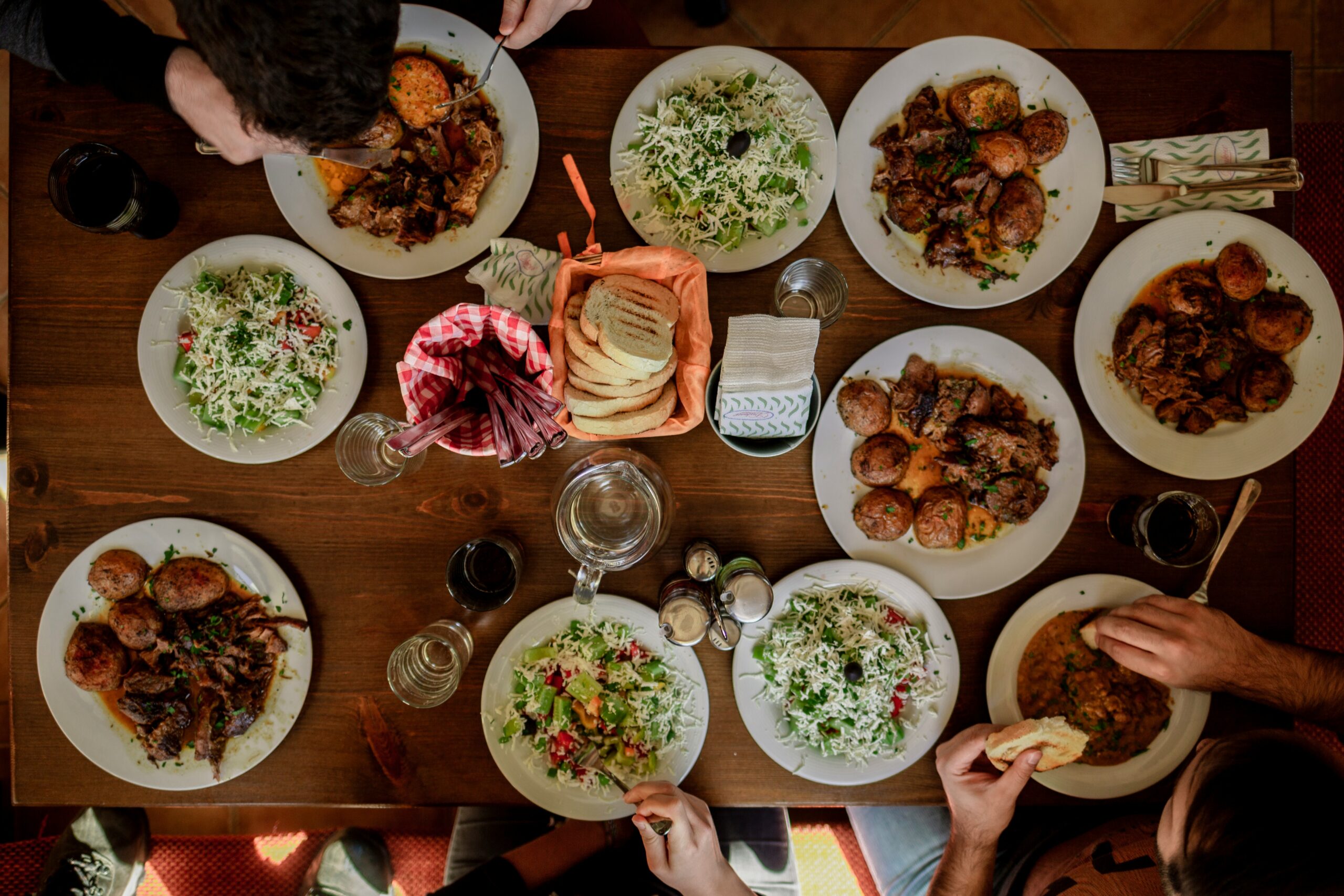

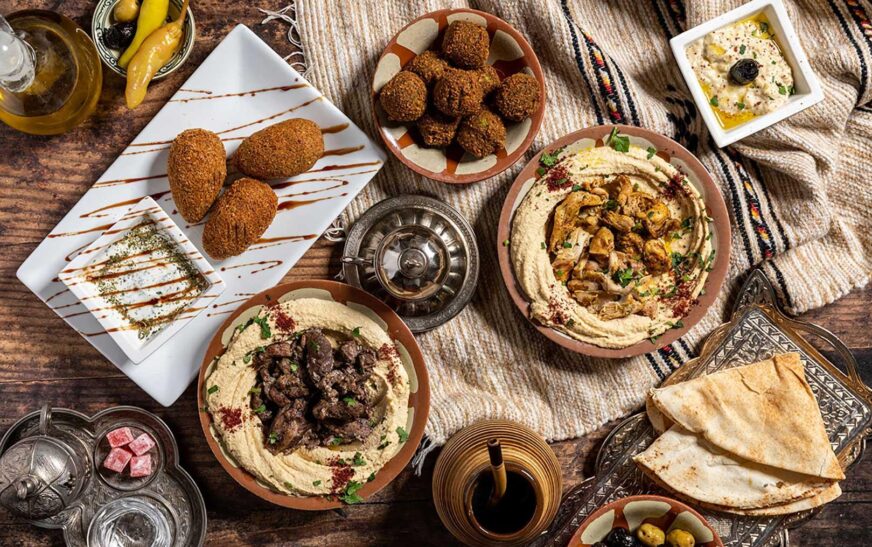
Honestly, I did not grow up eating Arabic food. My exposure to it was limited to a tub of store-bought hummus at a party, which I thought was fine, nothing special. That changed completely when a colleague invited me to his mother’s house for lunch one Friday afternoon.
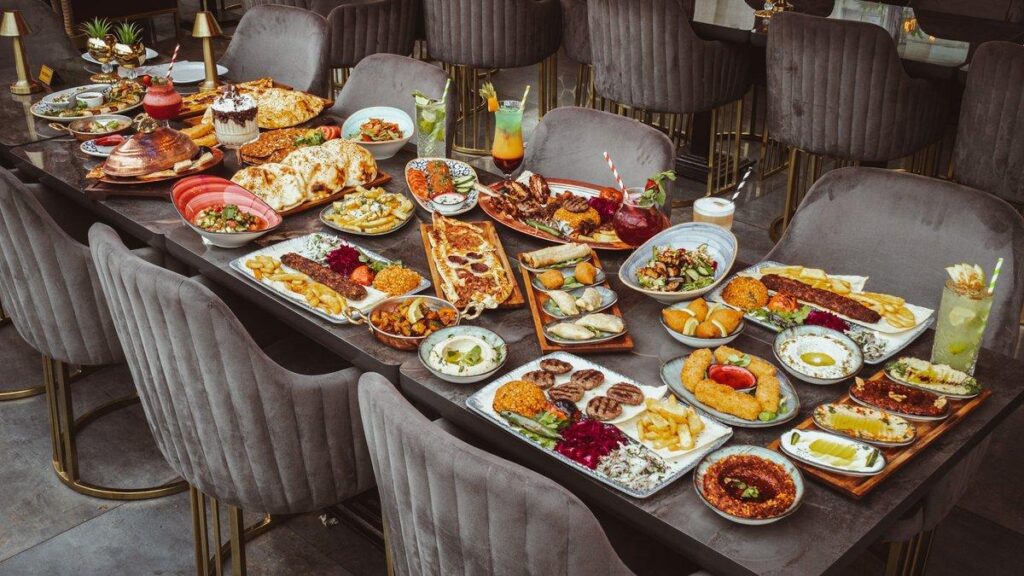
She had been cooking since early morning. The table looked like something out of a magazine, except it was real, and it smelled unreal. By the time I sat down I had already eaten three pieces of warm bread just from hovering near the kitchen. That lunch lasted four hours. I drove home in a kind of daze.
Since then I have spent a lot of time chasing that feeling, cooking these dishes at home with mixed results, eating at every Arabic restaurant I can find, and slowly understanding why this food hits so differently from everything else.
Here is what I have figured out so far.
The Thing Most People Get Wrong From the Start
People hear “Arabic food” and immediately think one of two things: either it is just hummus and pita, or it is intensely spiced and unfamiliar. Both assumptions miss the mark by quite a bit.
Arabic cuisine covers a massive geography. Moroccan cooking does not taste like Lebanese cooking. Gulf food like kabsa from Saudi Arabia is completely different from Syrian street food. Egypt has its own classics that most people outside the region have never encountered. Treating it all as one thing is like calling French, Italian, and Greek food “European cuisine” and leaving it at that.
What most of these traditions share is an approach rather than a specific flavor. Long cooking times. Spices used for fragrance and warmth, not heat. Hospitality as something built directly into the food itself, meaning portions are always generous and there is always more coming.
Why the Spice Question Trips Everyone Up
The spices in Arabic cooking are not about making your mouth burn. Cardamom, cinnamon, coriander, cumin, dried limes, turmeric, and allspice show up constantly, but they create depth and warmth rather than fire. The first time I made kabsa at home I was nervous about the spice quantity in the recipe and halved everything. The dish came out flat and kind of sad. Put the spices back in full. Trust the recipe.
Arabic coffee was the moment this clicked for me personally. Qahwa, which is the traditional coffee brewed with cardamom and sometimes saffron, tastes nothing like what the ingredients suggest it should. It is earthy and slightly bitter and completely unlike any coffee I had tried before. That taught me to stop predicting and start tasting.
Hummus: Why the Real Version Ruins Everything Else
Let me be direct about something. The hummus you buy in a plastic container at the grocery store is a completely different food from actual hummus. Not a little different. Completely different.
Real hummus starts with dried chickpeas that soak overnight. Then they cook for a long time, longer than you think, until some of them are basically falling apart. The tahini goes in generous amounts, good tahini that pours smoothly and tastes nutty. Fresh lemon juice, real garlic but not too much, and enough olive oil to make you slightly embarrassed. The whole thing blends until it is genuinely silky, not grainy, not thick, properly smooth.
Serve it warm on a plate with a pool of olive oil on top, a shake of paprika, maybe some whole chickpeas scattered over. Tear warm flatbread and eat immediately.
My first attempt at home was a disaster. I used canned chickpeas without cooking them further, cheap tahini that tasted slightly bitter, and not enough lemon. The texture was grainy and the flavor was dull. Switched to dried chickpeas the next time and the difference was immediately obvious before I even tasted it. The texture changes completely.
The version with spiced ground meat on top, called hummus bil lahm, is worth seeking out specifically. It turns a dip into a full breakfast or lunch and it is genuinely one of the best things you can eat.
Falafel Done Right Versus Falafel Done Wrong
Bad falafel is unfortunately common. Dry, dense, pale inside, sometimes falling apart. Good falafel is a completely different experience and once you have had it you become difficult to please.
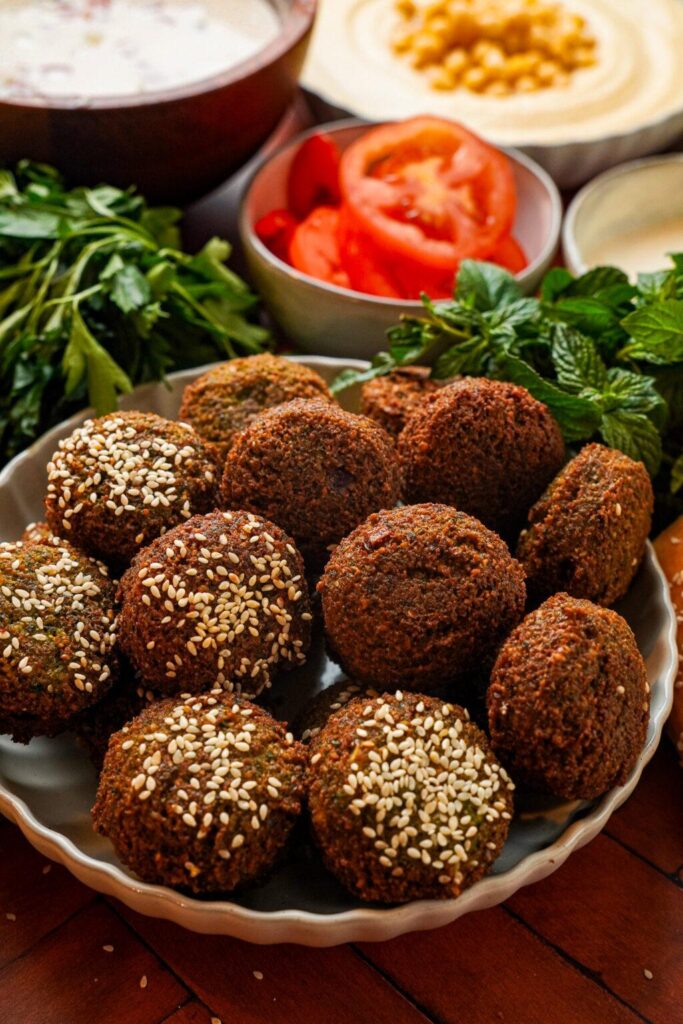
The key is fresh mixture from soaked but uncooked chickpeas. Not canned. Not cooked. Soaked overnight and then ground while still raw, mixed with fresh parsley, coriander, garlic, cumin, and a bit of baking powder to keep things light. The texture of the raw mixture should feel slightly coarse, not completely smooth.
Good falafel is bright green inside from the fresh herbs. If someone serves you beige falafel all the way through, they used a dry mix or skipped the herbs. It is edible but it is not the real experience.
Oil temperature is the other variable that makes or breaks everything. Too low and falafel absorbs oil and goes heavy. Too high and the outside burns before anything inside warms through. Around 175 Celsius works. Fry a test piece first every single time.
Eat it fresh, in flatbread with pickled turnips, tahini sauce, tomato, and fresh herbs. The pickled turnips are not optional. That bright acidic crunch against the warm crispy falafel is what makes the whole thing work.
Tabbouleh: More Herbs Than Grain
Most people, including most restaurants outside the Arabic world, make tabbouleh wrong. They treat it as a bulgur wheat salad with some herbs mixed in. Authentic tabbouleh is almost entirely parsley with a small amount of bulgur wheat supporting from the background.
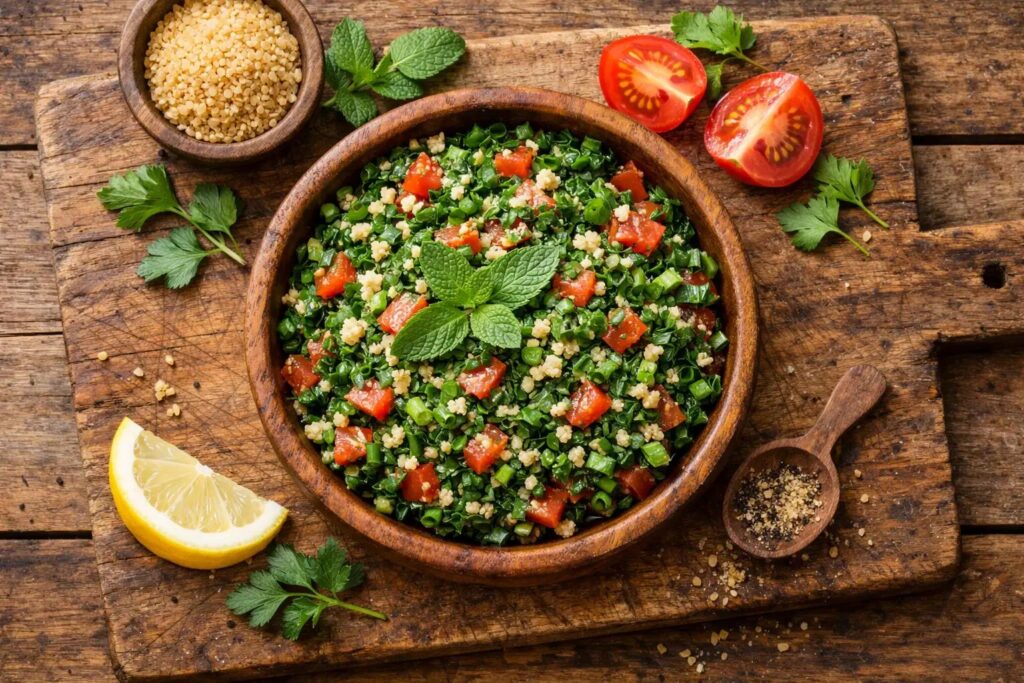
Chop a genuinely large amount of fresh flat-leaf parsley very finely. Add some fresh mint, a small amount of soaked fine bulgur, diced tomato, lemon juice, olive oil, salt. That is it. The parsley is the dish. Everything else is supporting.
Made correctly, it is bright and sharp and clean. It cuts through heavier dishes perfectly and works as a palate reset between richer bites. Made incorrectly it tastes like a grain salad, which is fine, but it is not tabbouleh.
Fattoush is the other Arabic salad worth knowing. It has crunch from toasted or fried pieces of flatbread tossed through vegetables and fresh herbs, dressed with something containing sumac. Sumac is a dark burgundy spice with a tart fruity flavor somewhere between lemon and pomegranate. Once you start using sumac you find yourself wanting it on eggs, on roast chicken, on everything. Keep a jar of it around.
Baba Ganoush and the Importance of Actually Burning the Eggplant
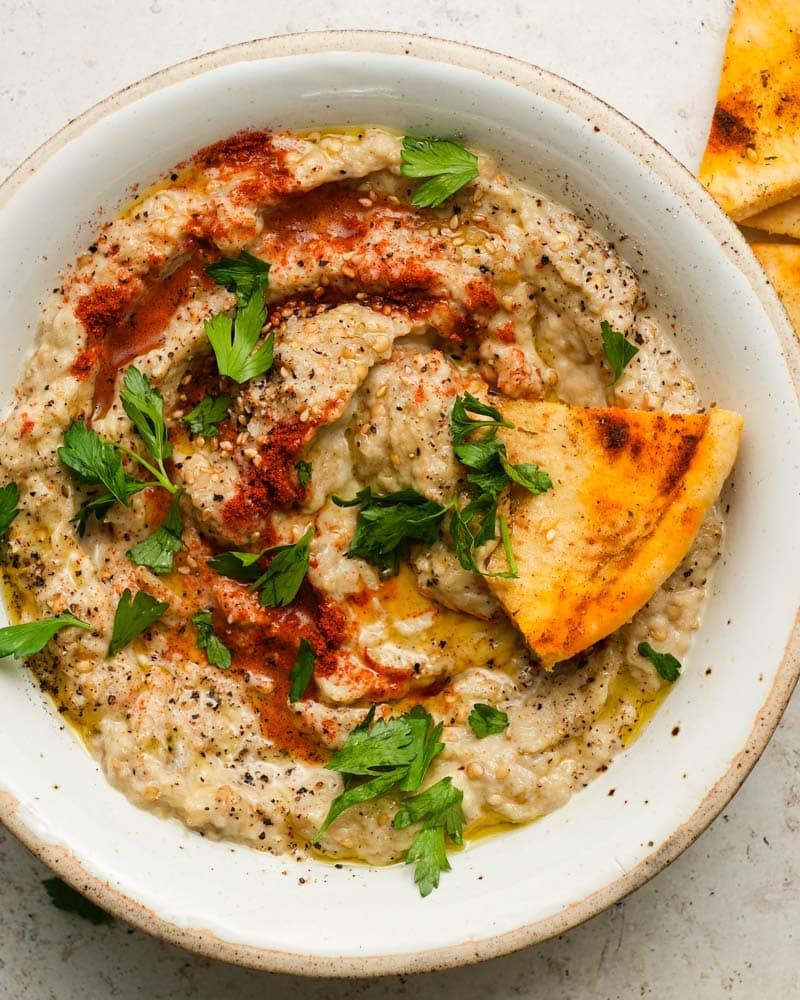
Baba ganoush is smoked eggplant blended with tahini, lemon, and garlic. The smoke is everything. Without proper smoke flavor it is just an eggplant dip, which is fine but not the point.
Char the eggplant directly over an open flame if you have a gas stove. Put it right on the burner grate. Let it sit there until the skin turns completely black and the whole thing collapses. Turn it occasionally. This takes longer than feels right. When it looks like you have genuinely ruined it, it is probably about ready.
My first attempt went wrong because I got nervous and pulled the eggplant off the heat too early. The inside had softened but the smoke had not penetrated properly. The result was pale and flat. Second attempt I pushed through the nervousness and let the skin go fully black all the way around. The difference was dramatic and immediate.
After the charred eggplant cools, peel off the blackened skin, drain excess liquid from the flesh, then blend with tahini, lemon, garlic, and salt. Some versions add a bit of yogurt for creaminess. Serve with olive oil drizzled over and eat with warm bread.
Mansaf: Jordan’s Most Important Dish
Mansaf stopped me in my tracks the first time I tried it. The flavor is unlike anything in my usual cooking experience and it took me a minute to work out what I was actually tasting.
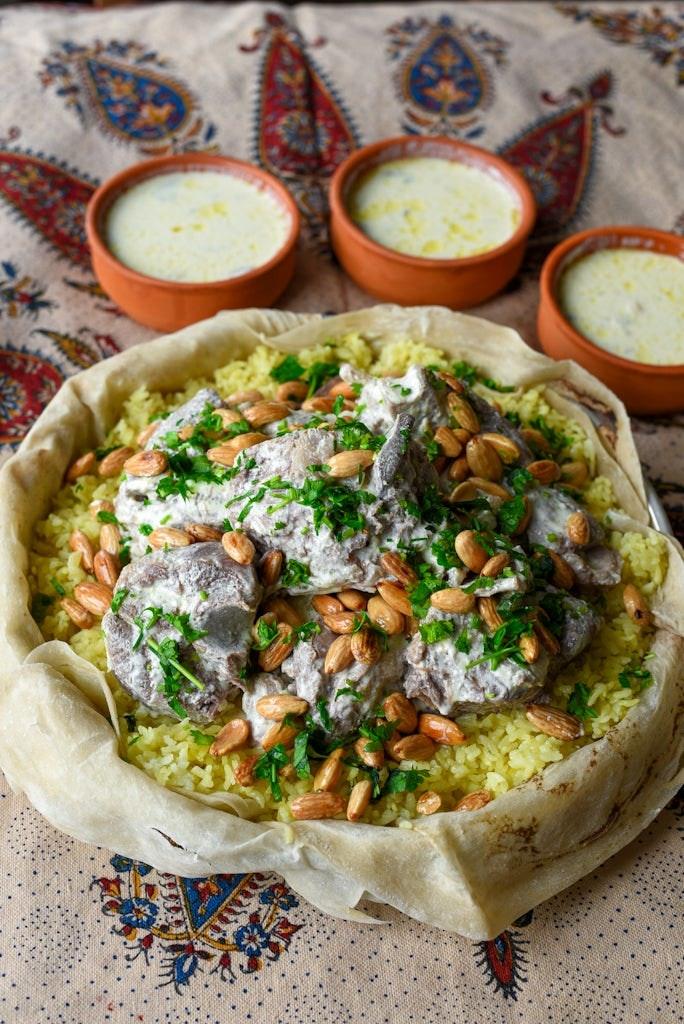
The distinctive element is jameed, which is a hard dried fermented yogurt that dissolves in water to create a tangy, funky cooking liquid. Lamb cooks in that liquid until it is deeply tender and the sauce has concentrated and thickened. The whole thing goes over flatbread and rice, with more sauce poured over the top at the end.
Eating mansaf at a traditional gathering means standing around a large communal tray and eating with your right hand. You roll the rice into a small ball and pop it into your mouth. There is technique involved and I did not have it. The people around me were kind about watching me struggle through it.
The flavor combination of fermented dairy with fatty slow-cooked lamb is the kind of thing that sounds questionable until you try it. Then it makes complete sense in a way that is hard to explain to someone who has not eaten it.
Kabsa: The Rice Dish That Converts People
If I had to pick one dish to recommend to someone who was skeptical about Arabic cooking, kabsa would be it. Rice dishes that rely on good technique and layered spicing tend to win people over because the comfort factor is high and the entry point is familiar even if the flavor is new.
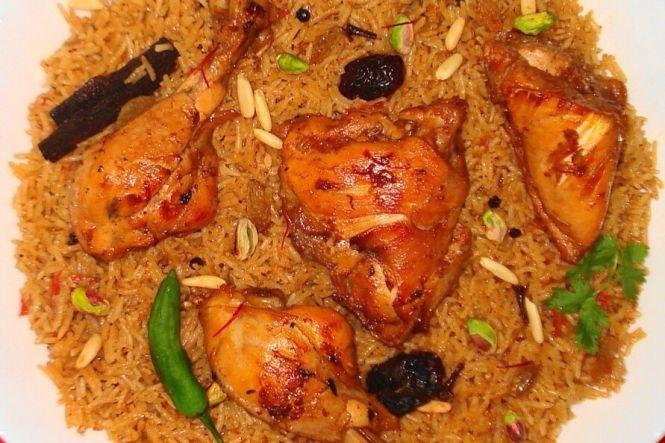
Kabsa comes from the Gulf region, specifically Saudi Arabia, and it involves cooking rice in spiced broth with meat, usually chicken or lamb. The spice blend typically includes cinnamon, cardamom, cloves, black lime, and bay leaves. Raisins and toasted pine nuts finish the dish on top.
That combination of sweet raisins and nutty pine nuts against spiced savory rice sounds like it might not work. It absolutely works.
The home version I make never quite reaches what I had at a Saudi household dinner years ago. Home cooking passed down through generations carries knowledge that does not fit in a recipe. But the attempt is worthwhile and the results are still genuinely good.
Where Most People Go Wrong With Kabsa
Using plain water instead of proper stock is the main issue. The liquid becomes the flavor base for the rice and plain water produces a flat result. Brown the meat properly before adding any liquid, long enough that real color develops on the surface. Soak the rice before cooking. Skip any of these and the dish suffers noticeably.
Shawarma: What It Actually Is
Shawarma is meat, usually chicken or lamb or a mix, stacked on a vertical rotating spit and cooked slowly while rotating. Workers shave thin pieces off the outer layer as it cooks and wraps them in flatbread with garlic sauce, pickles, and vegetables.
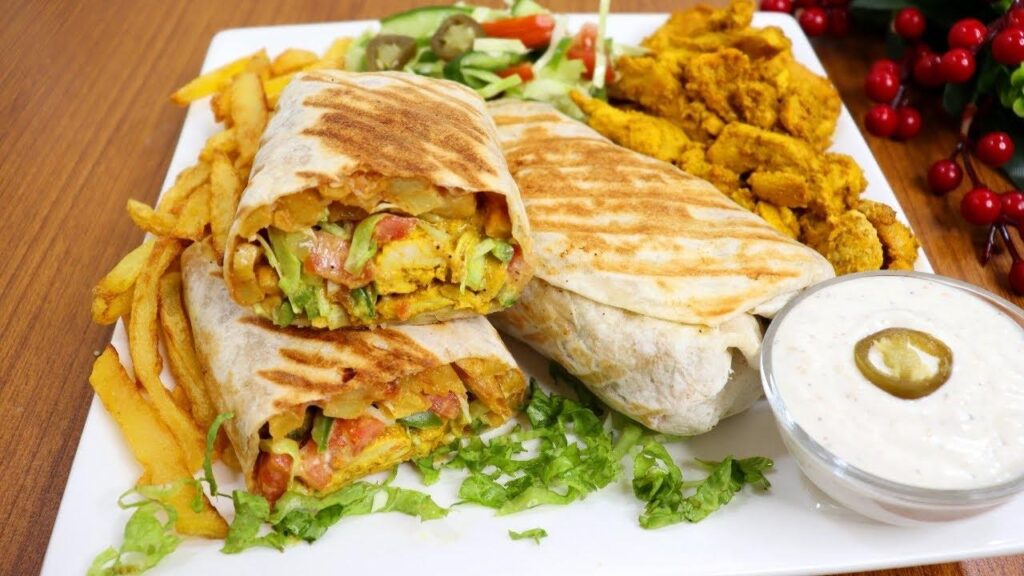
The garlic sauce, toum, is worth making at home at least once just to understand what it is. Garlic, lemon juice, oil, and salt emulsify into something white and fluffy and intensely garlicky. The technique is similar to making mayonnaise. Add the oil too quickly and the emulsion breaks. Get it right and you end up with this remarkable sauce that improves almost anything you put it on.
Good shawarma from a proper spit operation is a different experience from the restaurant versions where someone grills the meat separately and assembles it to order. Both can be delicious but they are genuinely different things.
Kibbeh: Harder Than It Looks
Ground lamb or beef mixed with fine bulgur wheat and spices, shaped around a filling of spiced meat and onions, then fried or baked. Reading that description, kibbeh sounds manageable. Making it without the outer shell cracking during frying is another matter entirely.
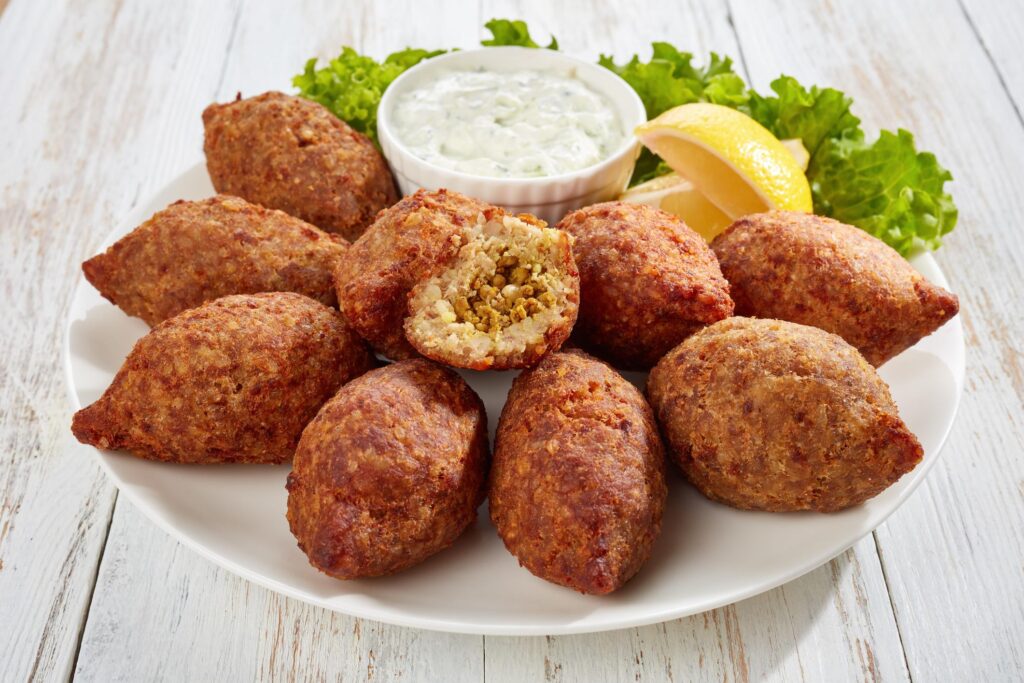
The outer mixture needs to be processed long enough that it becomes almost paste-like. Everything should stay cold while you work with it. The oil needs to be deep enough that the kibbeh floats during frying rather than sitting against the pan bottom.
Kibbeh nayeh is the raw version, similar to tartare, seasoned with onion and fresh herbs and eaten immediately. For this one the sourcing of the meat matters more than anything else. Know your butcher and buy something genuinely fresh.
Knafeh: The Dessert That Changes Things
Knafeh is one of those foods that produces a slightly stunned silence in people eating it for the first time. Shredded wheat pastry over fresh white cheese, soaked in sugar syrup with rose water or orange blossom, warm, finished with crushed pistachios. The crispy top, the stretchy warm cheese underneath, the fragrant syrup throughout.
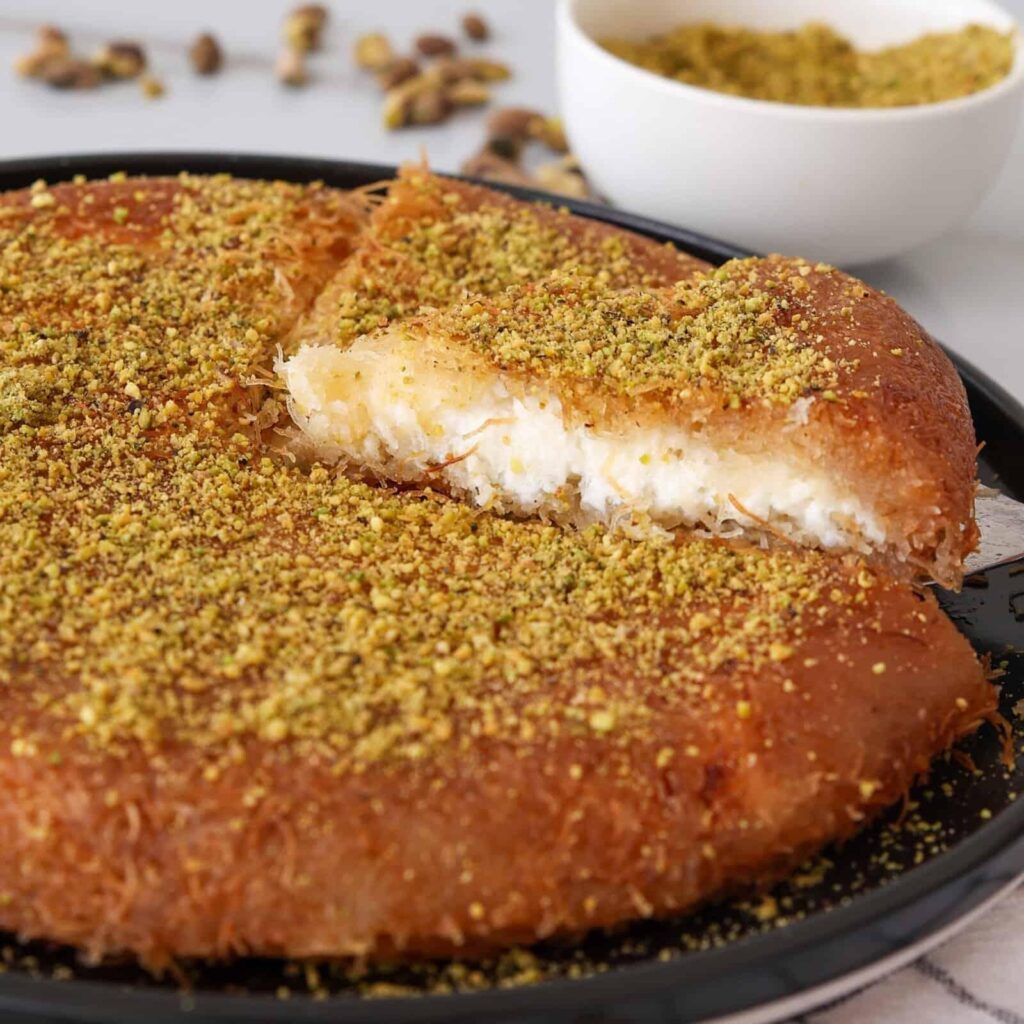
Nablus in Palestine is famous for what many people consider the best knafeh. Watching the preparation there, the large round tray flipped dramatically onto a serving board, is worth the trip entirely on its own.
Trying to replicate knafeh at home involves compromises. The specific fresh cheese used in proper knafeh is hard to source outside the region, and substitutes behave differently when they melt. Good results are possible but the original remains the original.
Baklava: More Regional Variation Than You Expect
Most people think they know baklava. Phyllo dough, nuts, honey, sweet. The regional variation within Arabic and wider Middle Eastern baklava traditions is actually quite significant once you start paying attention.
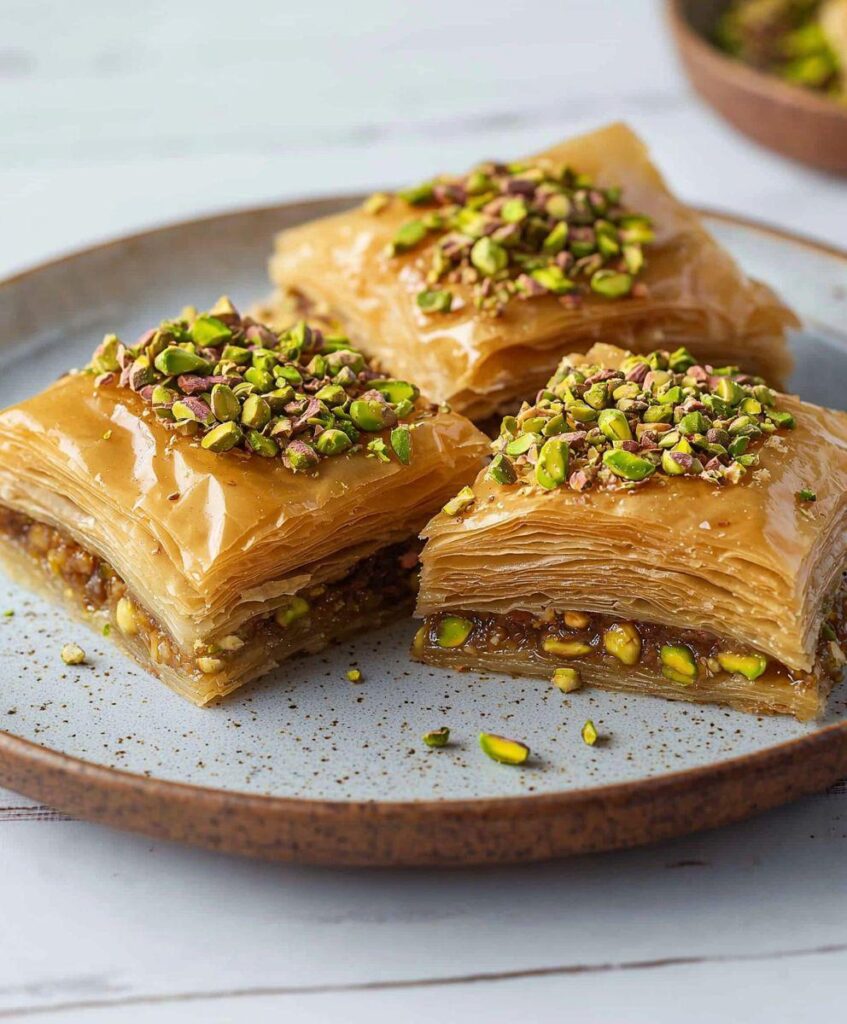
Lebanese versions use more rose water than Turkish versions. Syrian baklava often features pistachios prominently. Palestinian versions have their own character. Phyllo thickness varies, nut choices vary, syrup sweetness and flavoring varies. Getting into these differences is a genuine rabbit hole that rewards curiosity.
Mamoul cookies deserve mention: date-filled shortbread pressed in wooden molds that leave beautiful patterns on the outside. They appear at every celebration and disappear quickly. Qatayef, stuffed pancakes eaten especially during Ramadan, are another highlight of the sweets world here.
What Actually Helps When Cooking This Food at Home
Finding a proper Middle Eastern grocery store changes what is accessible to cook. Jameed, good tahini, dried limes, pomegranate molasses, proper spice blends: these ingredients exist in general supermarkets sometimes but they are far better and cheaper at a dedicated shop.
A spice grinder matters more than most people expect. Buying whole spices and grinding them fresh before cooking produces noticeably better results than pre-ground. Toast the spices briefly in a dry pan first, then grind. The difference in aroma alone is immediate.
Starting with mezze rather than diving into a complex main dish is a good approach for beginners. A spread of hummus, baba ganoush, tabbouleh, olives, pickles, and good bread lets you practice individual skills without the pressure of coordinating an entire elaborate meal.
What That Friday Lunch Actually Taught Me
Going back to that first meal at my colleague’s mother’s house: what struck me beyond the food itself was how much effort had gone into it for people she had never cooked for before. There was easily four times more food than we could have eaten. Every dish had been made from scratch. This was not a special occasion, just a regular Friday.
That generosity is not incidental to Arabic food culture. It is the point. The food is a way of expressing something that does not need to be said out loud. A guest is a gift, as the saying goes across many of these cultures, and the cooking reflects that belief directly.
Restaurant versions of this food can be excellent. Home cooking from someone who grew up with these dishes carries something additional that recipes cannot fully transfer. Both are worth seeking out for different reasons.
Finding Good Arabic Food and Knowing What You Are Eating
Arabic restaurants vary enormously in quality and focus. A few things help identify places worth returning to. Bread made in-house rather than from a bag indicates someone is paying attention. Fresh mezze rather than pre-prepared items sitting in a display case suggests similar care. A menu focused on a specific regional tradition rather than a pan-Arabic greatest-hits collection usually means more depth in what they do well.
Lebanese restaurants, Syrian restaurants, Yemeni restaurants, Palestinian spots, Egyptian places: these are all distinct and the specificity usually produces better results than restaurants trying to cover everything at once.
Why This Food Stays With You
Arabic cuisine has a way of pulling people back. Part of it is the flavor, which manages to feel both exotic and deeply comforting at the same time. Part of it is the sheer variety, the way every region and every family has its own version of the classics that differs meaningfully from every other version.
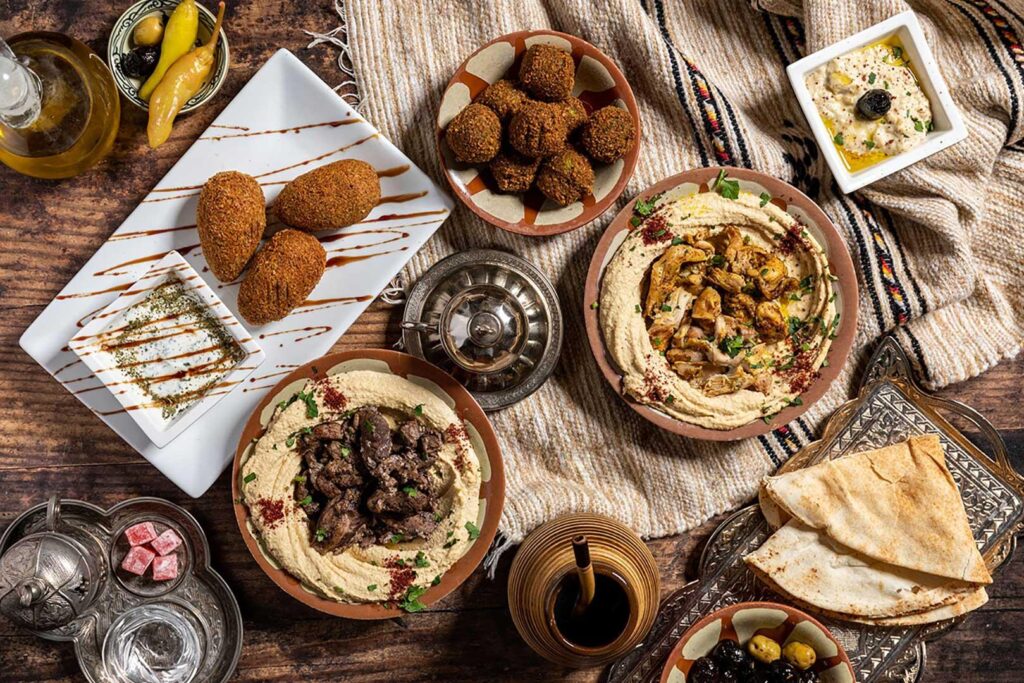
Mostly, though, I think it is the feeling that comes with eating it properly. That four-hour Friday lunch did something that a quick meal cannot do. Food that someone has cooked since early morning for people they want to take care of carries that intention forward into the eating of it.
Starting with hummus from a grocery store was fine. What opened up after that first real meal was something worth spending years on, and I am still nowhere near done.