
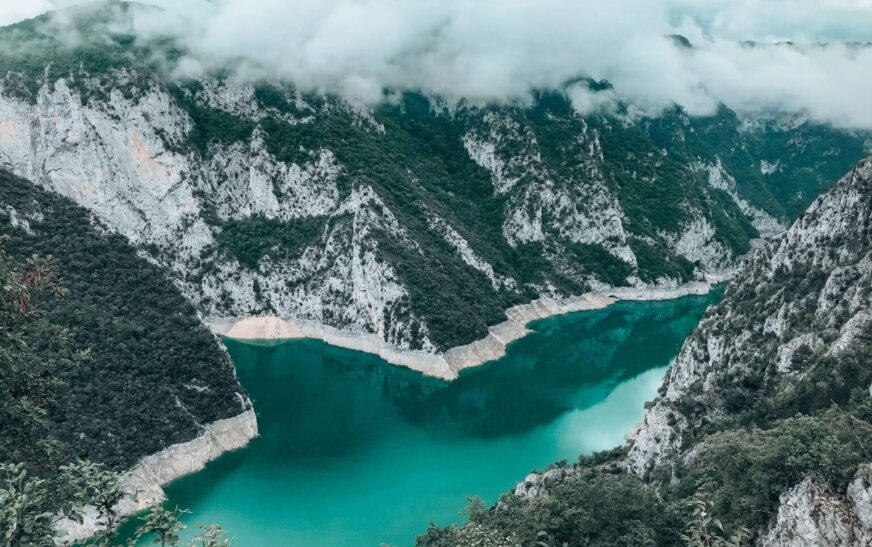
A friend sent me a photo from Hallstatt, Austria two summers ago. Gorgeous village, mirror lake, mountains behind it. She also sent a second photo from the same spot. It showed roughly two hundred tourists queuing to take the identical photograph. Every single one of them angled toward the exact same view.
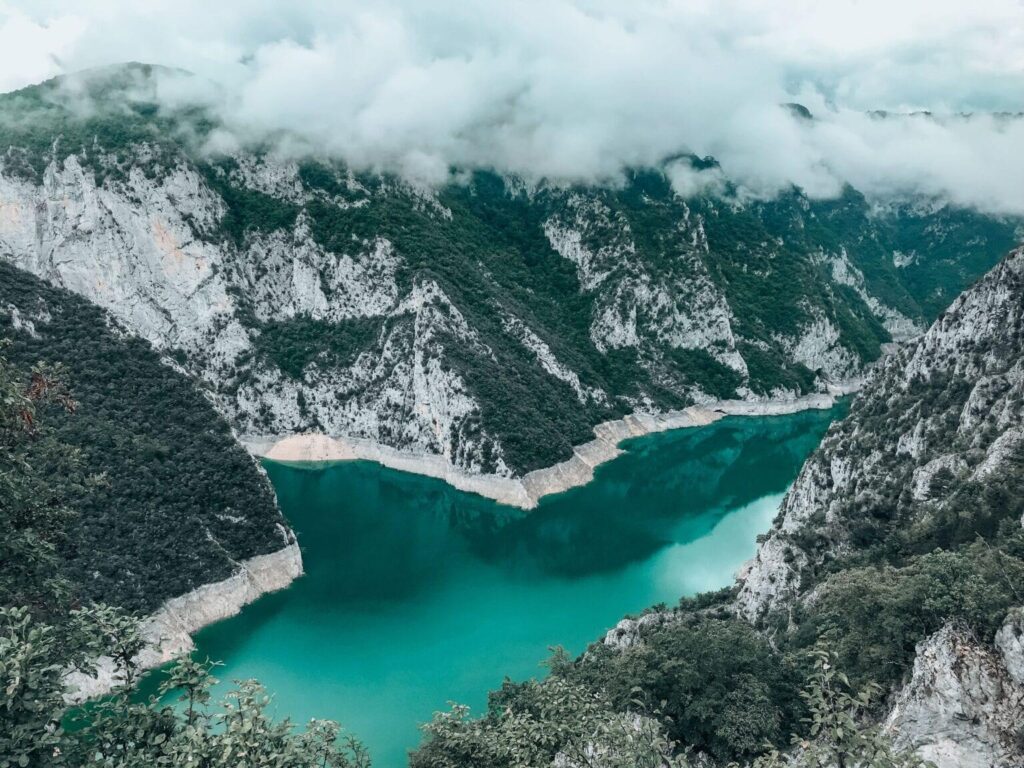
She said the village had started regulating tourist buses. Locals couldn’t get down their own streets anymore.
That’s the shape of travel right now. A place gets discovered, shared on social media, added to every “hidden gem” list. Within two or three years it’s neither hidden nor a gem. The beauty is still there, technically. The experience of it has changed completely.
This article is not another list of places that were secret five years ago. Most of those are already overrun. These are places where the window is still open. Genuinely beautiful, genuinely accessible, and not yet crowded enough to ruin the experience. Some are gaining momentum. Some are still almost entirely under the radar.
Go sooner rather than later. That’s the only real advice this article has.
Why Overtourism Happens So Fast Now
It used to take decades for a destination to cross from local secret to international tourist circuit. Word of mouth was slow. Travel required more planning. Infrastructure developed gradually alongside visitor numbers.
Social media collapsed that timeline to almost nothing. A single viral post can send booking inquiries to a small town from dozens of countries within hours. A village with twelve guesthouses suddenly gets a thousand visitors a week. Nowhere to stay. No system to handle the numbers.
The places on this list sit just before that tipping point. Some are gaining attention slowly. Others are almost entirely unknown outside their region. All of them still let you show up and feel like a visitor, not a unit in a crowd management system.
Georgia — The Country, Not the State
Most people hear “Georgia” in a travel context and picture the American South. The Georgia worth adding to your list sits in the Caucasus. Bordered by Russia, Turkey, Armenia, and Azerbaijan. Quietly one of the most spectacular countries on earth.
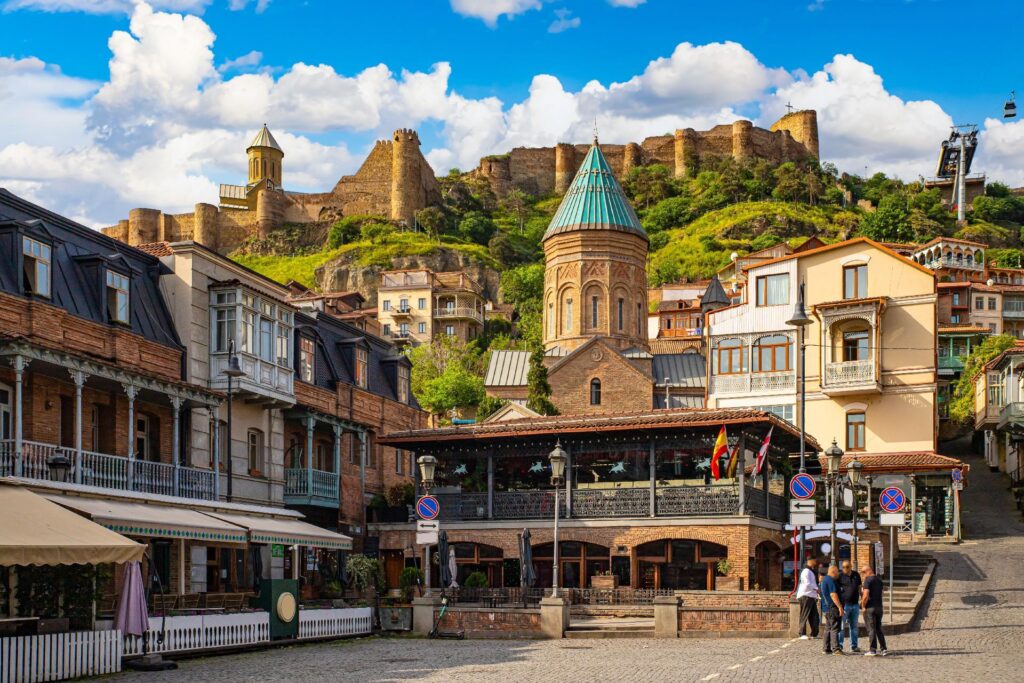
Tbilisi has been building a reputation among European backpackers for several years. It still hasn’t crossed into mass tourism. The old town, Abanotubani, runs along the Mtkvari River. Sulfur bathhouses, carved wooden balconies on crumbling buildings, Orthodox churches and a functioning mosque within walking distance of each other.
The food alone is worth the trip. Khinkali dumplings, khachapuri bread boats filled with egg and cheese, natural wine aged in clay vessels buried underground.
Outside Tbilisi the country opens into landscapes that don’t look real. The Svaneti region in the northwest has medieval stone towers rising from valleys surrounded by snow-capped peaks. Mestia, the main hiking hub, receives a fraction of the visitors that comparable Alpine destinations get. Trails that would be crowded in Switzerland feel almost entirely yours here.
The Kazbegi region near the Russian border has the Gergeti Trinity Church on a hill above Stepantsminda. Mount Kazbek rises behind it. That view ranks among the most dramatic church settings in the world. Arriving by marshrutka minibus from Tbilisi rather than a tour group means walking up without a crowd alongside you.
Georgia is safe, cheap by European standards, and warm toward travelers in a way that feels genuine. Visa-free for most nationalities. Direct flights from Istanbul, Vienna, and Warsaw are affordable. The window is closing — but it hasn’t closed yet.
Faroe Islands — Between Norway and Iceland
Most people can’t point to the Faroe Islands on a map. That tells you exactly where they sit in the global tourism hierarchy.
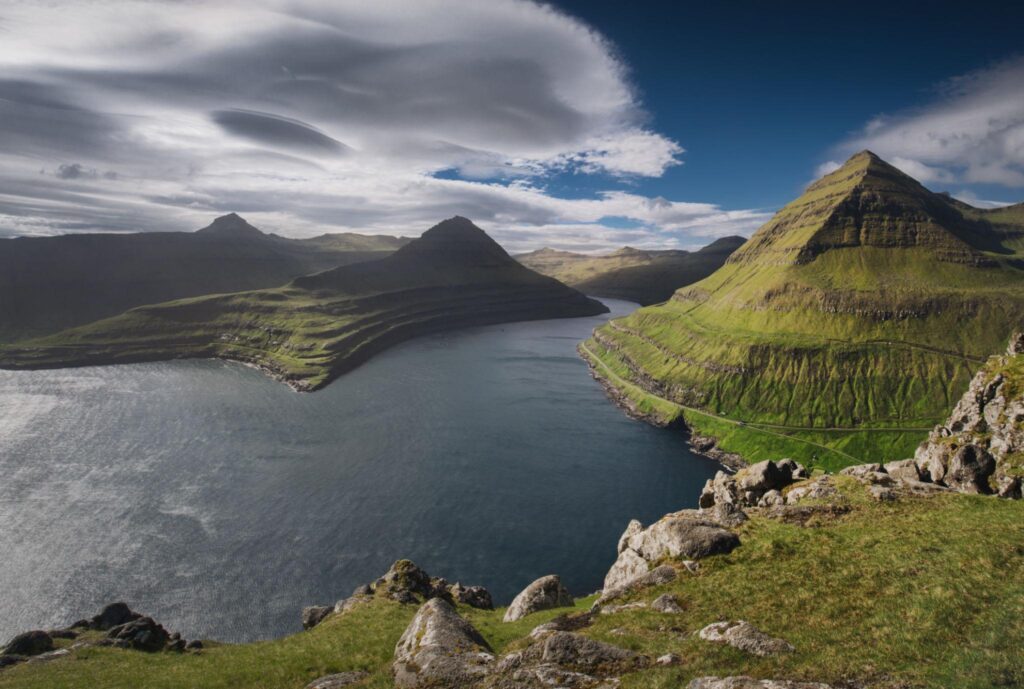
Eighteen islands in the North Atlantic, halfway between Norway and Iceland. Population around 55,000. The landscapes look like someone described Iceland to an artist who painted their own interpretation. Green cliffs dropping into black ocean. Waterfalls falling directly into the sea. Grass-roofed houses in colors that seem too vivid to be real.
The Faroese government introduced a “closed for maintenance” program. On certain weekends they close specific attractions so local volunteers can maintain the hiking trails. It’s a voluntary overtourism prevention system. The fact that they needed it at all tells you the crowds are starting to arrive.
“Starting to arrive” and “arrived” are very different things. Spend a morning at Múlafossur waterfall near Gásadalur village. A waterfall tumbles off a cliff straight into the ocean, with the village sitting behind it. On a quiet morning you might share that view with a dozen people. On some mornings, none. The same scene in Iceland at a comparable waterfall would draw two hundred visitors and a tour bus.
Getting there requires flying through Copenhagen or Reykjavik. Atlantic Airways connects from several European hubs. Accommodation is limited — which is a problem and a feature. Book ahead and you’ll stay in places run by local families, not hotel chains.
Kutaisi and the Imereti Region, Georgia
Tbilisi gets most of Georgia’s attention. Kutaisi, the country’s second largest city, stays almost entirely off the tourist map. It’s one of the oldest continuously inhabited cities in the world. That fact alone should make it famous. Somehow it doesn’t.
The Bagrati Cathedral and Gelati Monastery are both UNESCO World Heritage Sites. Both are genuinely extraordinary medieval structures. On a Tuesday afternoon the monastery might have you and three local visitors. No queue. No audio guide. Just a twelfth-century building and the sound of wind.
The Prometheus Cave system nearby is one of the largest in the Caucasus. Its formations rival anything in Slovenia’s Postojna Cave, which draws a million visitors per year. Prometheus gets a fraction of that.
Several budget European airlines now serve Kutaisi, including Wizz Air. That makes it accessible from central and eastern Europe at very low cost. The price point compared to Western European alternatives is striking.
Kyrgyzstan — Central Asia’s Best Kept Secret
Kyrgyzstan is one of those places that makes experienced travelers speak about it in near-evangelical terms. Then most people nod politely and book Thailand.
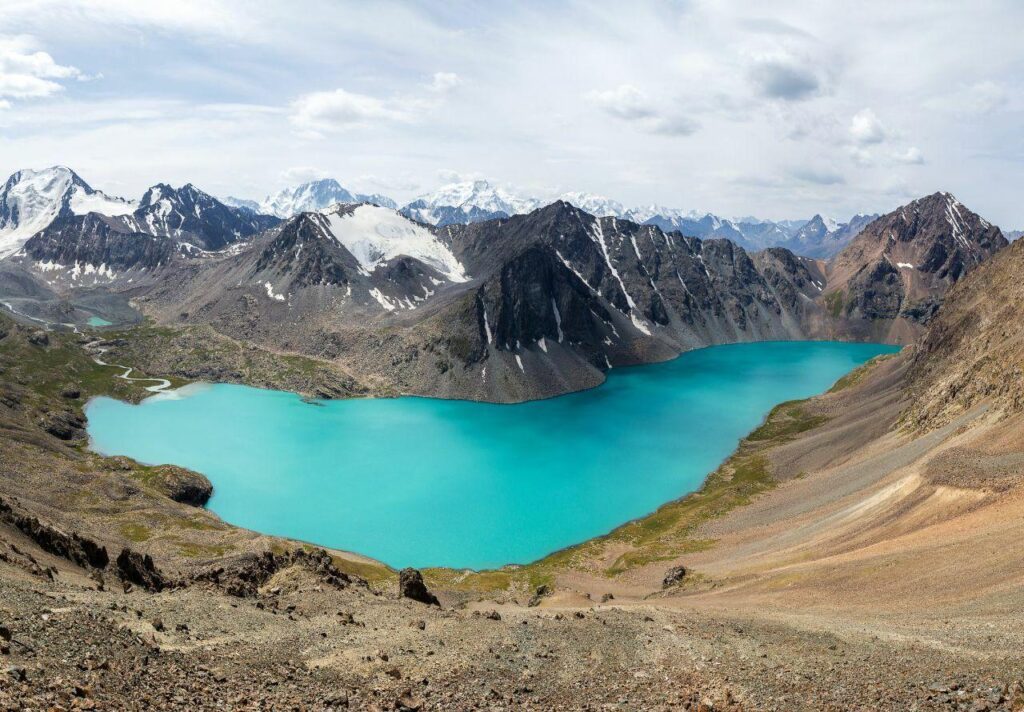
It sits landlocked in Central Asia between China and Kazakhstan. The mountain landscapes compete with anything in the Himalayas or the Alps. Song-Kul Lake rests at 3,016 meters on a high plateau. Nomadic yurt camps surround it, families moving their livestock up for summer. Arriving on horseback across that plateau, with only wind and distant sheep bells for sound, is a rare experience.
The Ala Archa National Park sits thirty minutes from the capital Bishkek. Hiking trails reach permanent glaciers. Karakol in the east serves as a base for multi-day treks in the Tian Shan range. A small but dedicated community of adventure travelers already knows about it.
Infrastructure is developing but hasn’t yet made the experience feel managed. Guesthouses are family-run. Transport requires flexibility. The payoff is access to landscapes that feel completely unfiltered.
Visa-free or visa-on-arrival for most nationalities. Best between June and September for mountain travel. Search Google Flights routing through Almaty or Bishkek for the most affordable options from Europe or North America.
Matera, Italy — But Go Now
Matera is technically already discovered. It was European Capital of Culture in 2019. The sassi — ancient cave dwellings carved into a ravine in southern Italy — appear regularly in travel media.
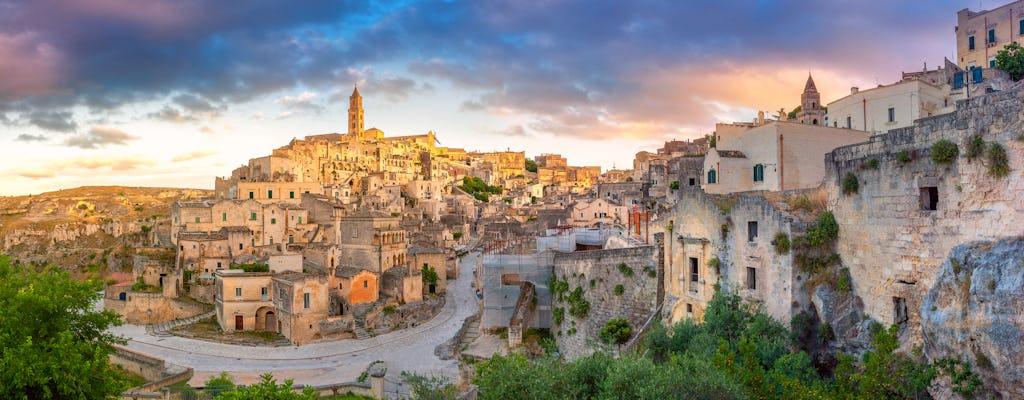
Mentioning it here anyway because most Italy travelers still skip it. Itineraries default to Rome, Florence, Amalfi, Venice. Matera sits in the Basilicata region, in the instep of the boot of Italy. Not convenient to reach, so it stays off most routes.
What you find there is extraordinary. One of the oldest continuously inhabited settlements on earth. Cave churches with Byzantine frescoes. Neighborhoods carved into limestone. A view across the ravine at night that ranks among the best things I’ve seen in Europe. The city now has boutique hotels built directly inside the caves.
Getting there takes a four to five hour drive from Naples, or an Italo train to Potenza with a local bus connection. That inconvenience is exactly what has kept crowds manageable.
Go in April or October. Morning hours in the cave neighborhoods are almost yours alone. The day-trippers from the coast arrive around midday and leave again by late afternoon.
How to Find Places Like These Before the Lists Do
Every destination that becomes overcrowded follows the same pattern. Someone writes about it. Larger publications pick it up. Social media amplifies it. The feedback loop accelerates until tourist infrastructure either catches up or collapses. Finding places earlier in that cycle just takes slightly different research habits.
Follow Local Tourism Boards on Social Media
Tourism boards in smaller countries post about destinations they’re proud of before those places make international lists. Follow the boards of Georgia, Kyrgyzstan, Albania, Kosovo, and North Macedonia on Instagram. They show you what’s genuinely worth seeing. Not what’s already famous — what they actually love.
Read Travel Content in Other Languages
German, French, and Spanish travel writers cover destinations that haven’t crossed into English-language media yet. A place appearing frequently in German travel blogs is often two or three years away from English coverage. Running those posts through Google Translate takes five minutes. It can surface places you’d never find through English searches alone.
Use Google Trends to Read the Curve
Type a destination into Google Trends and look at search interest over three to five years. Steadily rising interest from a low base is the sweet spot. A dramatic spike in the last twelve months means the early window has already closed.
Watch Where Budget Airlines Add New Routes
Low-cost carriers don’t add routes without expecting demand. When Ryanair or Wizz Air opens a new route to an underserved city, that city is about to appear on more radar screens. Checking route announcements on budget airline websites is a genuinely useful early warning system.
Mistakes That Turn a Beautiful Place Into a Disappointing One
Going during peak season at an emerging destination is the fastest way to find it already too crowded. Shoulder season changes the experience completely. Matera in August versus Matera in April are practically different places.
Over-relying on old reviews is a common trap. Things move fast. A guesthouse called “intimate and family-run” in 2022 might now be a boutique hotel with a marketing team. A beach described as “empty” three years ago might now have sunbeds and a beach club. Always check review dates.
Staying in the main tourist accommodation cluster puts you in a bubble. Every emerging destination has one area where new hotels concentrate. Stay slightly outside it. The walk to the main sites is usually short. The experience of being in a more ordinary part of the place is considerably richer.
Telling everyone to go there immediately after visiting is worth examining. The tension between sharing a discovery and protecting it is real. Being thoughtful about what you post, how you tag it, and how you describe the location — that’s part of travelling responsibly now.
The Window Is Real and It Closes
The Faroe Islands won’t feel the way they feel now in ten years. Georgia will be on every major travel itinerary within five years. Kyrgyzstan will eventually have infrastructure that matches its landscapes, and when it does, the experience will shift.
None of that is a reason not to go. It’s a reason to go soon. Spend money in locally-owned places. Visit in a way that leaves something intact for the next person.
The most beautiful places stay beautiful because people have cared for them over generations. Showing up well means understanding that and behaving accordingly.
My friend went back to her favorite small village in Portugal last year. She’d been going for a decade. The tourists had tripled. Prices had doubled. The family who ran her favourite restaurant had closed it — the landlord sold to a hotel group.
She found a new place, run by someone who’d relocated from the center. Had a meal she described as even better than the original.
Places adapt. People find new ways to make them beautiful. Being there before adaptation becomes necessary — that’s the specific thing worth chasing right now, while the window is still open.